As a seasoned OPGW fitting supplier, I've witnessed firsthand the critical role these components play in ensuring the reliability and safety of power and communication networks. One of the most pressing concerns in the industry is the earthquake - resistance of OPGW fittings. In this blog, I'll delve into what earthquake - resistance means for OPGW fittings, the factors that influence it, and how our products are designed to withstand seismic events.
Understanding Earthquake - Resistance in OPGW Fittings
Earthquake - resistance refers to the ability of OPGW (Optical Power Ground Wire) fittings to maintain their structural integrity and functionality during and after an earthquake. OPGW cables are often installed on overhead power lines, which are vulnerable to seismic activity. When an earthquake occurs, the ground shakes, causing the towers and poles supporting the OPGW cables to move. This movement can subject the fittings to various forces, including tension, compression, and shear.
If the OPGW fittings are not earthquake - resistant, they may fail under these forces. A failed fitting can lead to the detachment of the OPGW cable from the support structure, which can disrupt power transmission and communication services. In extreme cases, it can also pose a safety hazard to people and property in the vicinity.
Factors Influencing Earthquake - Resistance
Several factors influence the earthquake - resistance of OPGW fittings.
Material Selection
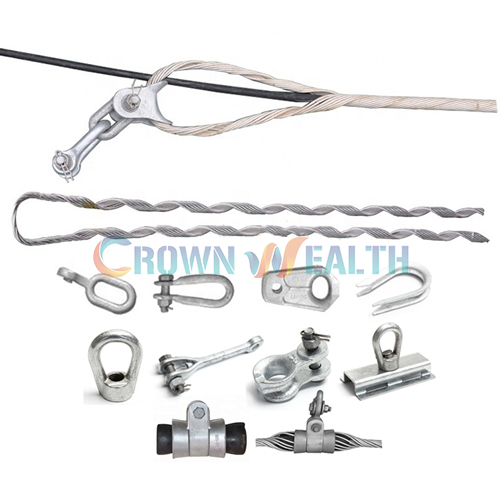
The choice of materials is crucial. High - strength and ductile materials are preferred as they can absorb and dissipate the energy generated during an earthquake. For example, aluminum alloys are commonly used in OPGW fittings due to their good strength - to - weight ratio and corrosion resistance. The Aluminum Alloy Joint Box is a prime example of a fitting made from such materials. Aluminum alloys can withstand significant deformation without fracturing, which is essential for earthquake - resistance.
Design and Engineering
The design of OPGW fittings also plays a vital role. Well - designed fittings distribute the forces evenly across the structure, reducing the stress concentration at any single point. For instance, the Double Suspension Clamp for OPGW is engineered to provide a stable and secure connection between the OPGW cable and the support structure. Its unique design allows it to adapt to the movement of the cable during an earthquake, minimizing the risk of failure.
Installation Quality
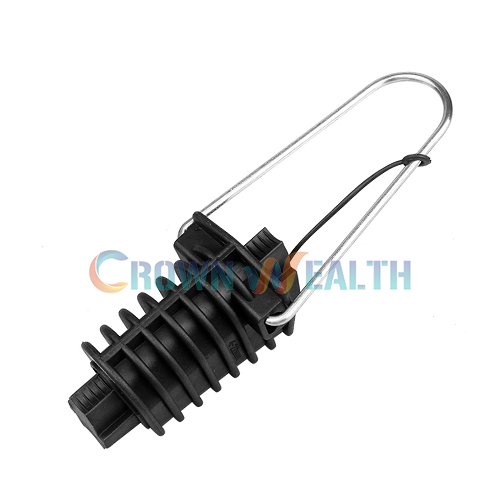
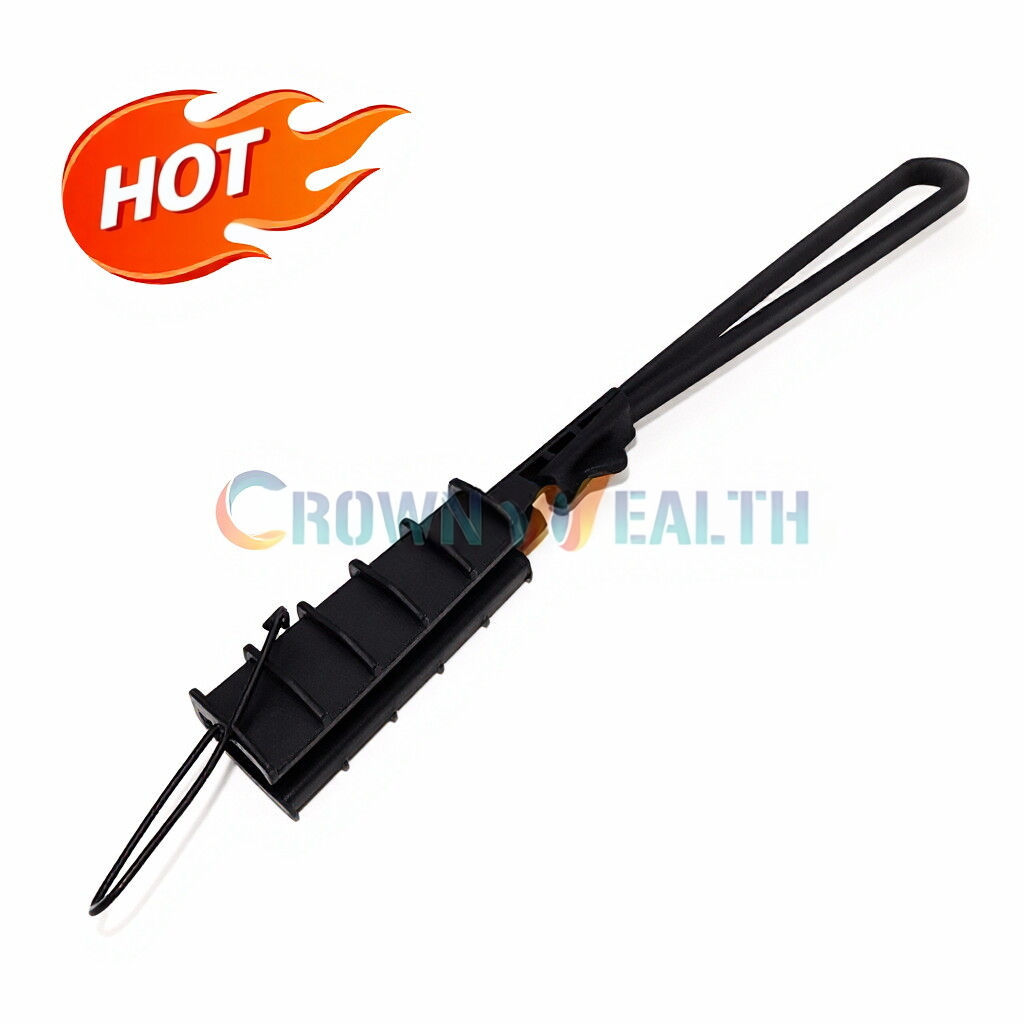
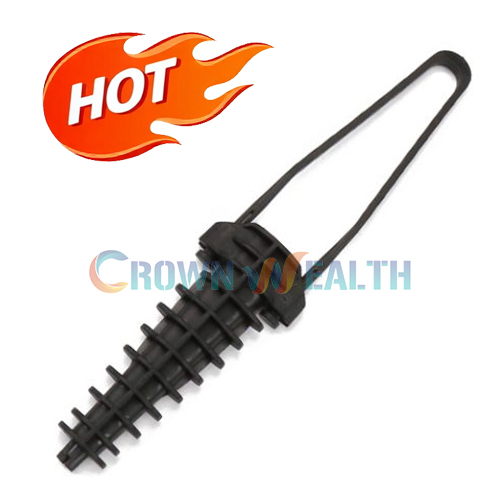
Proper installation is equally important. Incorrect installation can compromise the earthquake - resistance of the fittings. For example, if the Tension Clamp for Overhead Line is not tightened correctly, it may loosen during an earthquake, leading to cable detachment. Therefore, it is essential to follow the manufacturer's installation guidelines carefully.
Our Approach to Earthquake - Resistance
At our company, we take earthquake - resistance very seriously. We use advanced materials and state - of - the - art manufacturing processes to ensure that our OPGW fittings can withstand seismic events.
Material Testing
Before using any material in our fittings, we conduct rigorous testing to ensure its quality and suitability for earthquake - prone areas. We test the materials for their strength, ductility, and corrosion resistance. Only materials that meet our strict standards are used in the production of our fittings.
Design Optimization
Our engineering team uses computer - aided design (CAD) and finite element analysis (FEA) to optimize the design of our fittings. These tools allow us to simulate the behavior of the fittings under different seismic conditions and make necessary adjustments to improve their earthquake - resistance.
Quality Control
We have a comprehensive quality control system in place. Every fitting undergoes multiple inspections during the manufacturing process to ensure that it meets our quality standards. We also conduct final testing on the finished products to verify their performance.
Case Studies
To illustrate the effectiveness of our earthquake - resistant OPGW fittings, let's look at a few case studies.


In a region prone to moderate earthquakes, a power utility company installed our OPGW fittings on their overhead power lines. During a recent earthquake, the power lines remained intact, and there was no disruption to power transmission or communication services. The OPGW fittings withstood the seismic forces, demonstrating their excellent earthquake - resistance.
In another case, a communication network in an earthquake - prone area upgraded their OPGW fittings to our products. When a major earthquake hit the region, the network continued to operate smoothly, thanks to the reliable performance of our fittings.
Importance of Earthquake - Resistant OPGW Fittings
The importance of earthquake - resistant OPGW fittings cannot be overstated. In earthquake - prone regions, power and communication networks are essential for emergency response and recovery efforts. A reliable OPGW system can ensure that these services remain operational during and after an earthquake, helping to save lives and minimize economic losses.
Moreover, with the increasing frequency and intensity of natural disasters around the world, the demand for earthquake - resistant infrastructure is on the rise. By using our earthquake - resistant OPGW fittings, power utilities and communication companies can enhance the resilience of their networks and meet the growing need for reliable services.
Conclusion
In conclusion, the earthquake - resistance of OPGW fittings is a critical factor in ensuring the reliability and safety of power and communication networks. At our company, we are committed to providing high - quality, earthquake - resistant OPGW fittings. Our advanced materials, optimized design, and strict quality control measures ensure that our fittings can withstand the most challenging seismic conditions.
If you are in the market for OPGW fittings and are concerned about earthquake - resistance, we invite you to contact us for a detailed discussion. Our team of experts will be happy to assist you in selecting the right fittings for your specific needs. Let's work together to build a more resilient and reliable power and communication infrastructure.
References
- "Seismic Design of Electrical Power Systems" by the Electric Power Research Institute (EPRI).
- "Guidelines for Design and Installation of OPGW Cables" by the International Electrotechnical Commission (IEC).