Hey there! As an OPGW fitting supplier, I often get asked by customers if they can install OPGW fittings by themselves. Well, let's dig into this topic and see what's what.


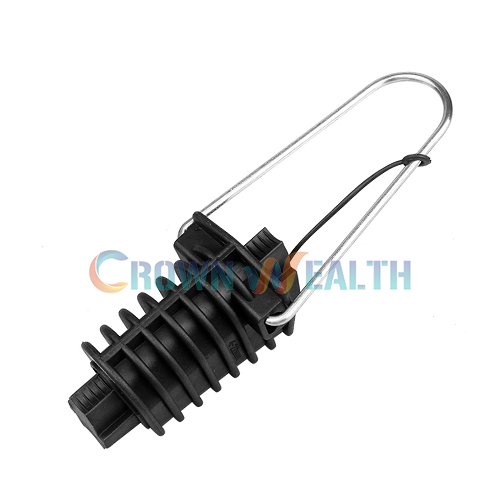
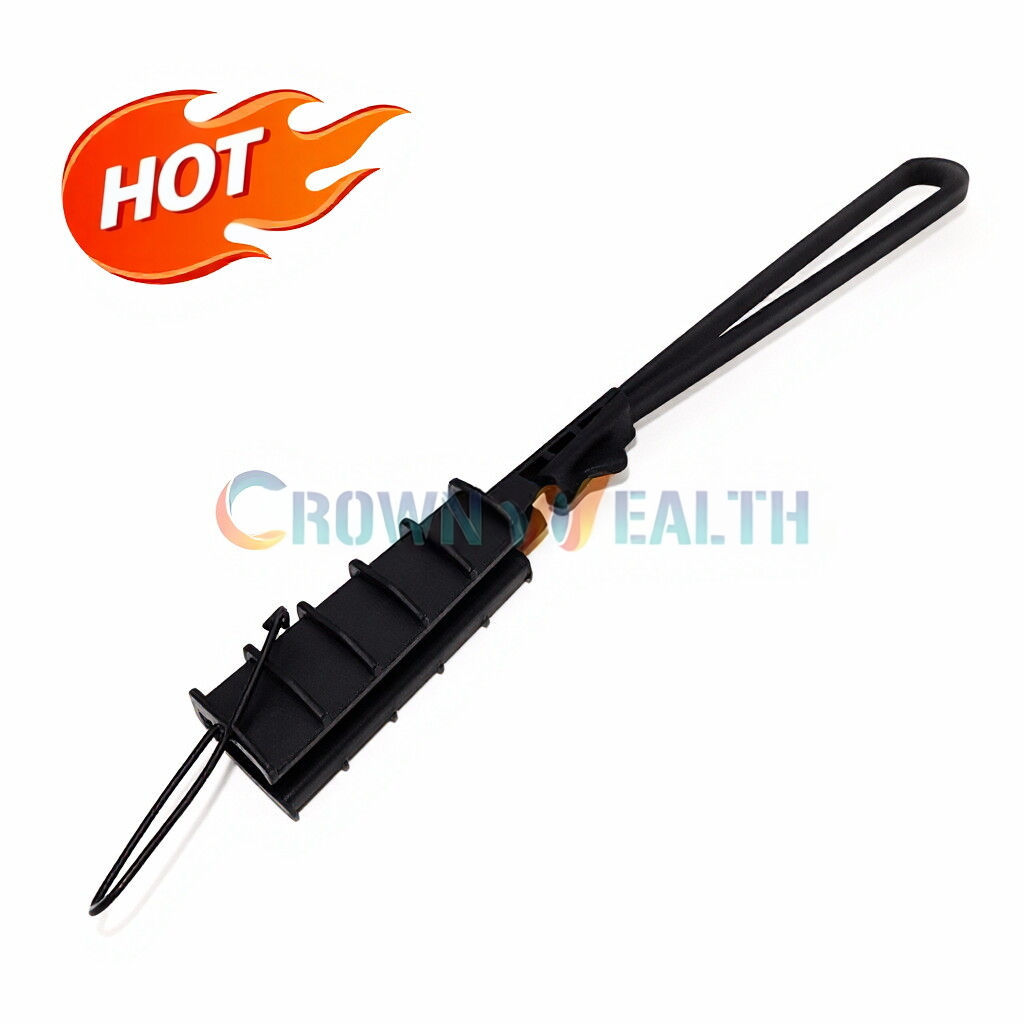
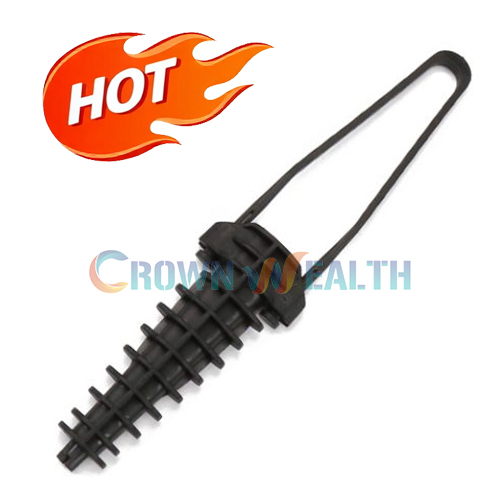
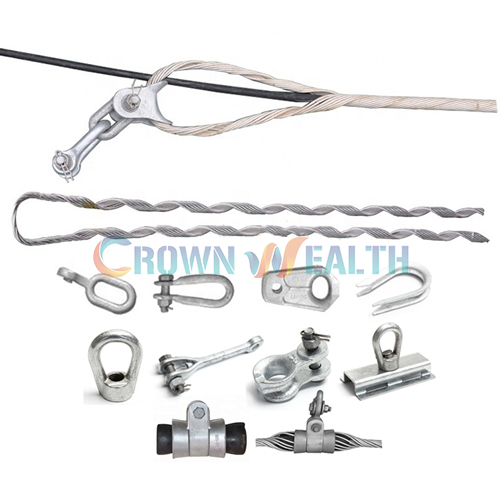
First off, let's understand what OPGW fittings are. OPGW, or Optical Power Ground Wire, is a type of cable that combines the functions of power transmission and optical communication. OPGW fittings are the components used to install, support, and protect these cables. They include things like suspension clamps, splice boxes, and cable storage units. For example, the OPGW Performed Helical Suspension Clamp is used to suspend the OPGW cable on transmission towers, while the Aluminum Alloy Optical Cable Splice Box is for splicing the optical fibers inside the cable. And the OPGW Cable Storage is designed to store the excess cable length.
Now, can you install these fittings by yourself? The short answer is, it depends.
Pros of DIY Installation
If you're a hands - on person with some technical knowledge, installing OPGW fittings by yourself can have some advantages.
Cost - Saving
One of the biggest draws of DIY installation is saving money. Hiring a professional installation team can be quite expensive. By doing it yourself, you can cut out the labor costs. You only need to pay for the materials, which can be a significant saving, especially for small - scale projects.
Learning Experience
Installing OPGW fittings is a great way to learn about the technology. You'll get a firsthand understanding of how these components work together, which can be useful for future projects or if you want to expand your knowledge in the field of fiber - optic communication.
Cons of DIY Installation
However, there are also some serious drawbacks to consider.
Technical Complexity
OPGW fittings installation is not a simple task. It requires a good understanding of electrical engineering, fiber - optic technology, and safety procedures. For example, when splicing the optical fibers in the splice box, you need to ensure that the fibers are aligned perfectly to minimize signal loss. A small mistake can lead to poor performance or even complete failure of the communication system.
Safety Risks
Working with OPGW cables involves high - voltage power lines in many cases. If you're not experienced in handling high - voltage equipment, there's a significant risk of electric shock, which can be life - threatening. There are also risks associated with working at heights when installing the suspension clamps on transmission towers.
Warranty and Support
Most OPGW fitting suppliers offer warranties and technical support for their products. But if you install the fittings yourself and something goes wrong, the supplier may not honor the warranty. They might argue that the problem was caused by improper installation.
What You Need for DIY Installation
If you still want to give it a go, here's what you'll need:
Tools
You'll need a variety of tools, such as cable cutters, fiber - optic strippers, alignment tools for fiber splicing, and torque wrenches for tightening the clamps. Make sure you have the right tools for the job, and they are in good working condition.
Knowledge
As I mentioned earlier, you need to have a solid understanding of OPGW technology. You can learn from online resources, books, or training courses. But keep in mind that theoretical knowledge is not enough. You also need some practical experience.
Safety Equipment
Safety should be your top priority. You'll need safety harnesses, hard hats, insulated gloves, and safety glasses. Don't skimp on safety equipment, as it can save your life.
When to Hire a Professional
In most cases, it's recommended to hire a professional installation team. Here are some situations where professional help is a must:
Large - Scale Projects
If you're working on a large - scale OPGW project, such as a long - distance power transmission line with multiple towers, it's best to leave the installation to the pros. They have the experience and resources to handle the project efficiently and safely.
High - Voltage Areas
If the OPGW cables are installed in high - voltage areas, professional installers are better equipped to deal with the safety challenges. They know how to work around high - voltage equipment and follow strict safety protocols.
Complex Configurations
Some OPGW systems have complex configurations, such as multiple cable runs, different types of fittings, and special requirements for signal quality. Professional installers can handle these complex situations better than a DIYer.
Conclusion
So, can you install OPGW fittings by yourself? It's possible, but it's not for everyone. If you have the technical skills, experience, and the right tools, and you're willing to take on the risks, you can give it a try. But for most people, especially those without much experience, it's better to hire a professional.
As an OPGW fitting supplier, we offer high - quality products and can also provide you with a list of reliable installation partners if you need one. Whether you choose to install the fittings yourself or hire a pro, we're here to support you. If you're interested in purchasing OPGW fittings for your project, feel free to contact us for more information and to discuss your specific needs. We'll be happy to help you find the right products and solutions.
References
- Electrical Engineering Textbooks on Power Transmission and Fiber - Optic Communication
- Industry Standards for OPGW Fittings Installation
- Manufacturer's Installation Guides for OPGW Fittings