Hey there! As a supplier of Preformed Armor Rods, I often get asked about the temperature range in which these nifty little products can operate. Well, you're in luck because I'm here to break it down for you in plain English.
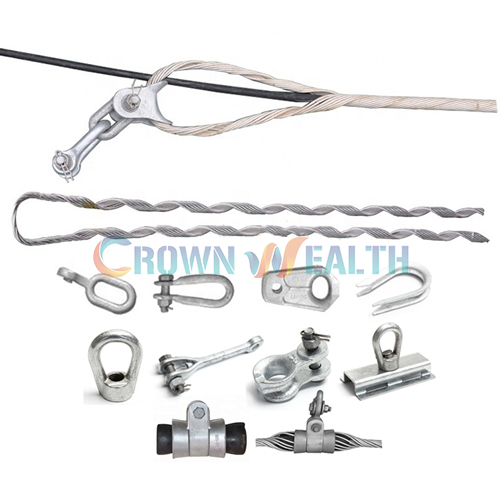
First off, let's talk a bit about what Preformed Armor Rods are. These are basically helically - wound rods that are used to protect cables from mechanical damage, like abrasion, bending stress, and vibration. They're super important in the electrical and telecommunications industries, where cables need to be kept in tip - top shape. You can learn more about them on our website Preformed Armor Rods.
Now, to the main question: what's the temperature range for these Preformed Armor Rods? Well, it depends on the material they're made of. Most of the Preformed Armor Rods we supply are made from either aluminum alloy or steel.
Aluminum Alloy Preformed Armor Rods
Aluminum alloy is a popular choice for Preformed Armor Rods because it's lightweight, corrosion - resistant, and has good electrical conductivity. These rods can typically operate in a temperature range from about - 40°C to 90°C.
At the lower end of the spectrum, - 40°C is pretty cold! But aluminum alloy holds up well in these frigid conditions. The material doesn't become brittle easily, so it can still provide the necessary protection to the cables even in extremely cold environments. This makes them great for use in places like the Arctic regions or high - altitude areas where temperatures can drop significantly.
On the other hand, at 90°C, the aluminum alloy starts to get a bit toasty. But as long as the temperature doesn't exceed this limit for an extended period, the rods will continue to function properly. In fact, 90°C is a relatively high temperature that you might encounter in industrial settings or in areas with a lot of direct sunlight.
Steel Preformed Armor Rods
Steel Preformed Armor Rods, on the other hand, have a different temperature range. They're more robust and can handle higher temperatures compared to aluminum alloy. Steel rods can usually operate in a temperature range from - 50°C to 120°C.
The - 50°C mark is seriously cold, and steel is tough enough to withstand these harsh conditions. It retains its strength and flexibility, ensuring that the cables are well - protected. This makes steel rods a great option for applications in very cold climates, such as in northern Canada or Siberia.
When it comes to the upper limit of 120°C, steel can take the heat. In industrial environments where there are high - temperature processes going on, or in areas with a lot of electrical equipment generating heat, steel Preformed Armor Rods can keep doing their job.
Factors Affecting the Temperature Range
It's important to note that there are a few factors that can affect the actual temperature range in which the Preformed Armor Rods can operate.
One factor is the duration of exposure to high or low temperatures. If the rods are exposed to the maximum or minimum temperature for a short period, they're likely to be okay. But if the extreme temperatures persist for a long time, it can start to degrade the material and reduce its effectiveness.
Another factor is the presence of other environmental conditions. For example, if there's a lot of moisture in the air along with high temperatures, it can cause corrosion, especially in the case of steel rods. Similarly, in very cold and dry conditions, the material might become more brittle over time.
Comparing with Other Products
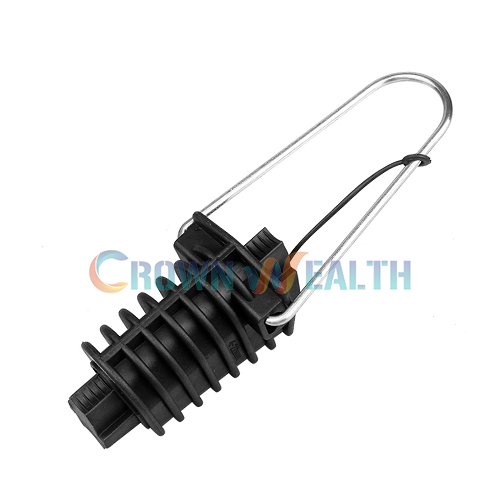
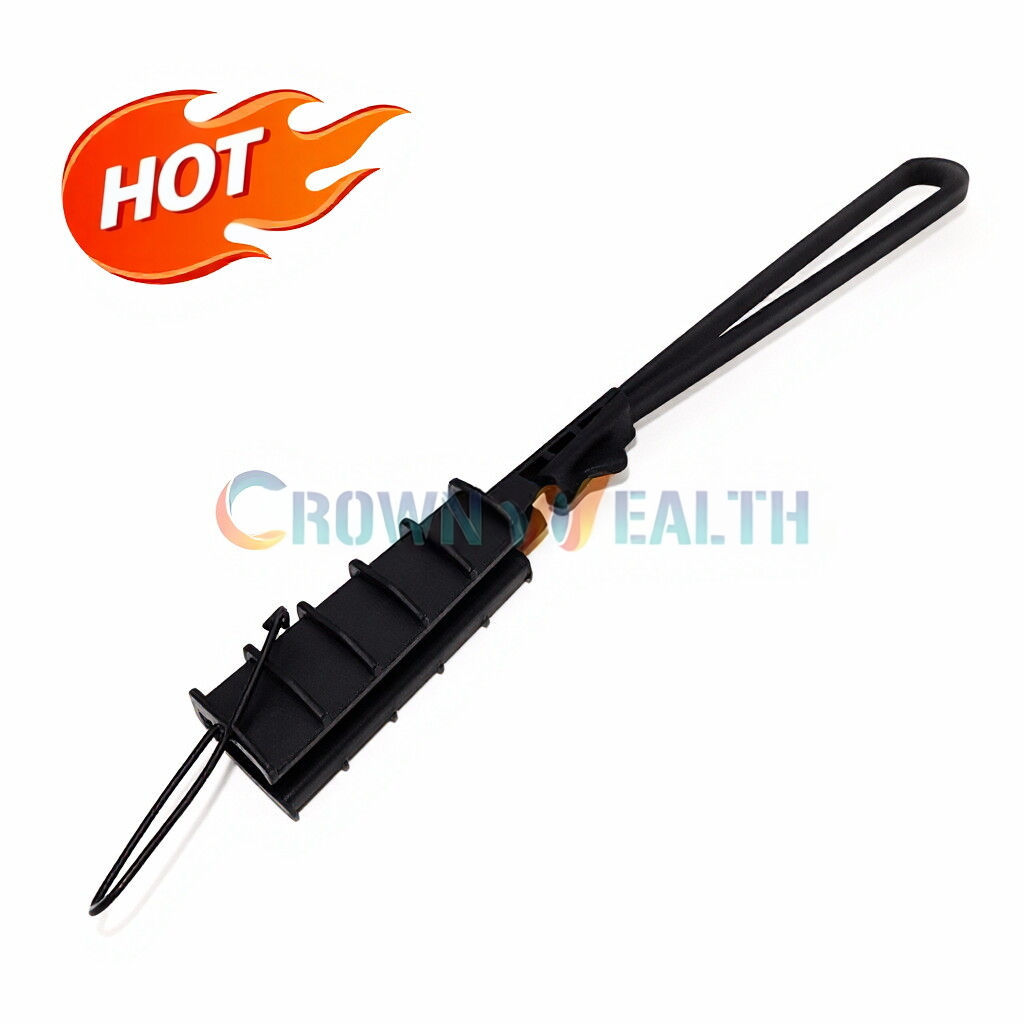
We also offer other protective fittings, like Cable Guy Grips and Square Spacer Damper. Each of these products has its own temperature range.
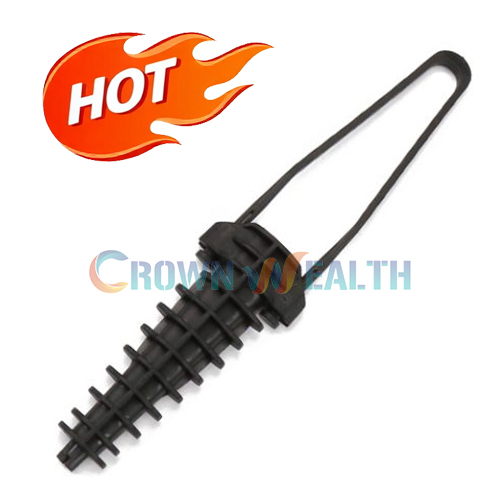
Cable Guy Grips are used to hold cables in place. They're usually made from materials that can operate in a similar temperature range as Preformed Armor Rods, depending on whether they're made of aluminum alloy or steel.
Square Spacer Dampers, which are used to reduce cable vibration, also have a specific temperature range. They're often made from rubber or other elastomeric materials, and their temperature range is typically from - 30°C to 70°C. This is because rubber can start to lose its elasticity at high temperatures and become brittle at low temperatures.


Why Temperature Range Matters
Understanding the temperature range of Preformed Armor Rods is crucial for ensuring the proper functioning of your cables. If the rods are exposed to temperatures outside their operating range, they might not be able to provide the necessary protection. This could lead to cable damage, which can be costly to repair and can also cause disruptions in electrical or telecommunications services.
For example, if you're installing Preformed Armor Rods in a tropical area where the temperatures can reach over 90°C, using aluminum alloy rods might not be the best idea. In this case, steel rods would be a better choice as they can handle the higher temperatures.
Conclusion and Call to Action
So, there you have it! The temperature range for Preformed Armor Rods depends on the material they're made of, with aluminum alloy rods operating from - 40°C to 90°C and steel rods from - 50°C to 120°C. It's important to consider the temperature conditions of your application when choosing the right Preformed Armor Rods.
If you're in the market for Preformed Armor Rods or any of our other protective fittings, we'd love to hear from you. Whether you're working on a small - scale project or a large - scale industrial installation, we can provide you with the right products to meet your needs. Get in touch with us to start a conversation about your procurement requirements.
References
- Industry standards for protective fittings in electrical and telecommunications
- Manufacturer's specifications for Preformed Armor Rods, Cable Guy Grips, and Square Spacer Dampers