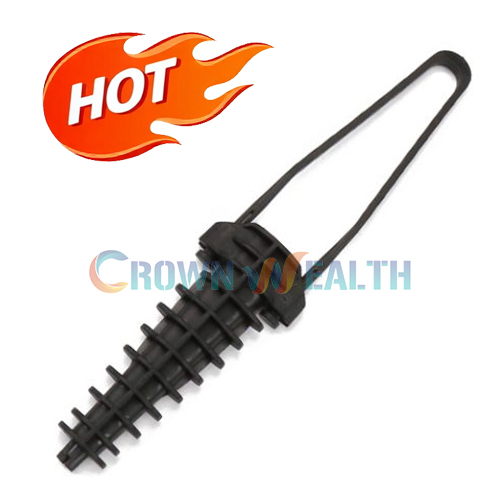
Hey there! As a downlead clamp supplier, I often get asked about the chemical resistance of our products. So, I thought I'd write a blog post to give you all the lowdown on what chemical resistance means for downlead clamps and why it's so crucial.
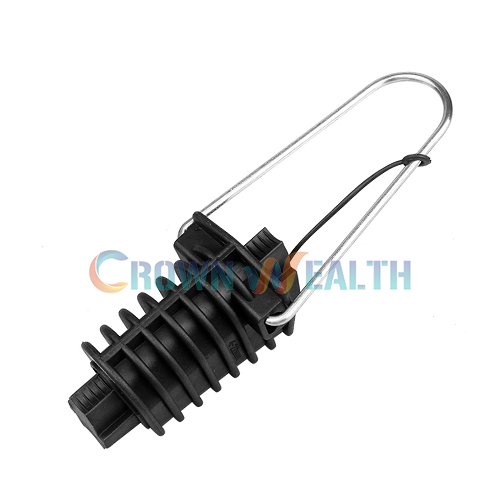
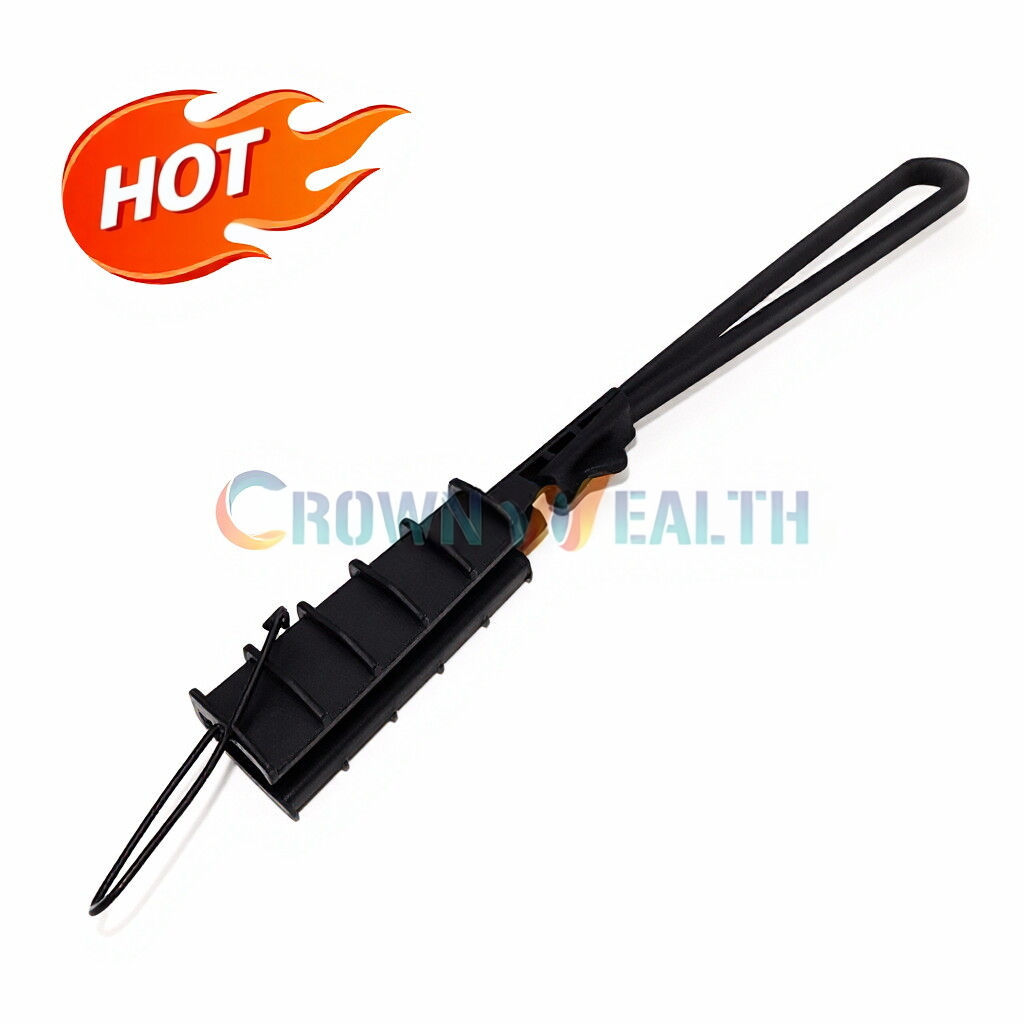
First off, let's talk about what downlead clamps are. These little guys are super important in electrical systems. They're used to secure downleads - those cables that connect lightning protection systems or other electrical equipment to the ground. Without proper downlead clamps, the whole electrical safety setup could be at risk.
Now, chemical resistance. What does it even mean? Well, in simple terms, it's how well a material can withstand the effects of chemicals without getting damaged. Chemicals are everywhere in our environment - from industrial pollutants in the air to various cleaning agents. When a downlead clamp is exposed to these chemicals, it needs to hold up.


There are different types of chemicals that downlead clamps might come across. Acids are a big one. In industrial areas, there could be acidic fumes in the air, or in some cases, the soil might have acidic properties. If a downlead clamp isn't resistant to acids, it could start to corrode. Corrosion weakens the clamp over time, which can lead to it not holding the downlead properly. And that's a huge safety issue in an electrical system.
Alkalis are another concern. They're commonly found in cleaning products and some industrial processes. Just like acids, alkalis can cause corrosion and damage to the clamp if it doesn't have good chemical resistance.
Salts are also a factor, especially in coastal areas. The salt in the air and the soil can be pretty harsh on metal components. A downlead clamp that's not salt - resistant will rust and deteriorate much faster.
So, how do we ensure that our downlead clamps have good chemical resistance? Well, it all starts with the materials we use. We carefully select high - quality metals and alloys that are known for their chemical resistance. For example, stainless steel is a popular choice. It has a natural oxide layer on its surface that protects it from many chemicals. This oxide layer acts as a barrier, preventing the metal underneath from reacting with acids, alkalis, and salts.
We also use special coatings on our clamps. These coatings add an extra layer of protection. Some of these coatings are designed to be highly resistant to specific chemicals. For instance, there are coatings that can withstand strong acids and others that are great at repelling salts.
But it's not just about the materials and coatings. We also conduct a lot of tests on our downlead clamps. We expose them to different chemicals in controlled environments to see how they react. This helps us make sure that our clamps meet the highest standards of chemical resistance.
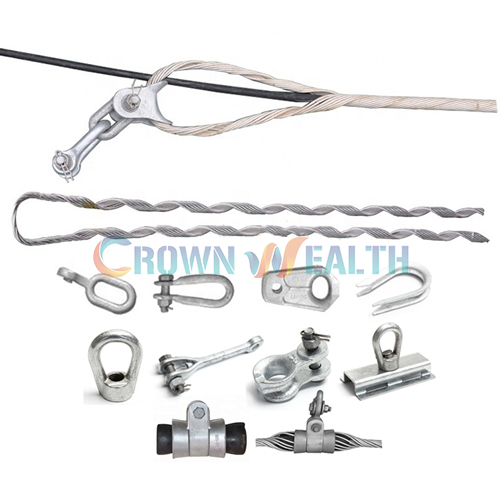
Now, let's talk about some related products. If you're in the market for other types of clamps, we also offer Performed Helical Suspension Clamp. These are great for fiber - optic cable systems. They have their own set of requirements when it comes to chemical resistance, especially since they're often used outdoors where they can be exposed to various environmental chemicals.
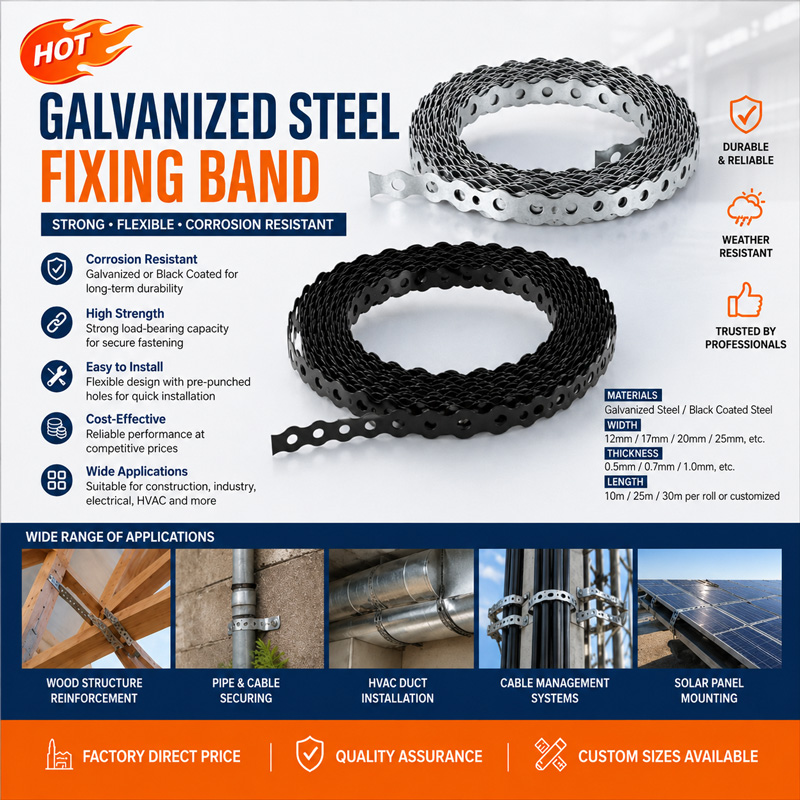
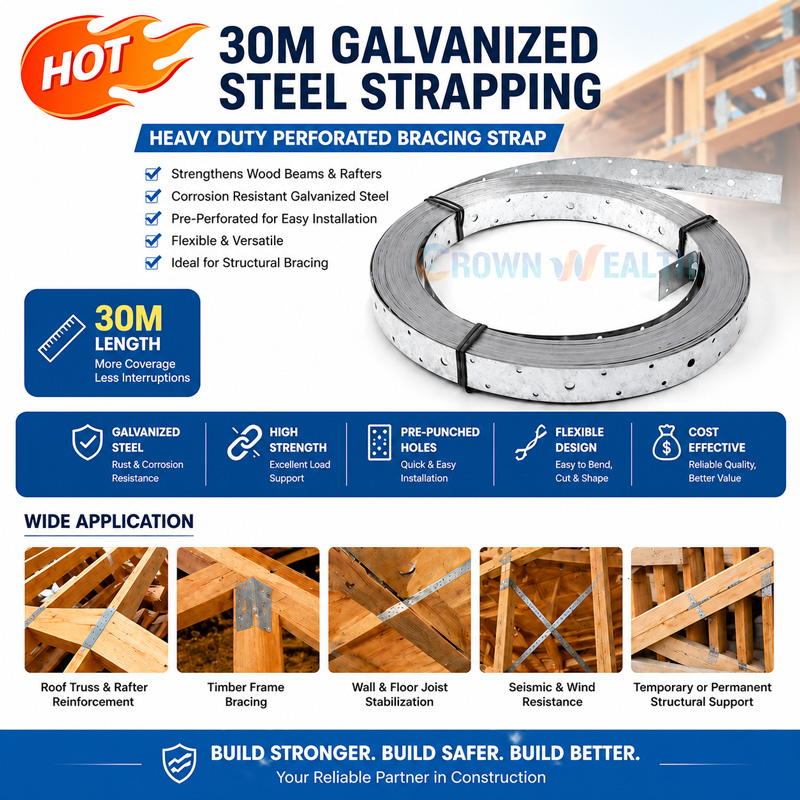
Another product is the Fastening Fixture. These fixtures are used to secure different components in electrical and fiber - optic systems. Just like downlead clamps, they need to have good chemical resistance to ensure long - term reliability.
And then there's the Performed Suspension Clamp. It's another essential component in cable systems. Chemical resistance is a key factor in its performance, as it needs to stay in good condition even when exposed to chemicals over time.
So, why is chemical resistance so important for downlead clamps in the big picture? Well, first of all, it's all about safety. A corroded or damaged downlead clamp can't do its job properly. It might not hold the downlead tightly, which could lead to electrical failures or even pose a risk of electrical shock.
Secondly, it's about cost - effectiveness. When a downlead clamp has good chemical resistance, it lasts longer. You don't have to replace it as often, which saves you money in the long run. You won't have to deal with the hassle of frequent maintenance and replacements, and you can be confident that your electrical system is in good hands.
If you're in the market for downlead clamps or any of our other products, we'd love to talk to you. Whether you're setting up a new electrical system or looking to upgrade an existing one, we have the right products for you. Good chemical resistance is just one of the many features that make our products stand out. Reach out to us, and we can have a chat about your specific needs and how our products can meet them.
In conclusion, chemical resistance is a crucial aspect of downlead clamps. It ensures the safety and longevity of your electrical systems. With our high - quality materials, special coatings, and rigorous testing, our downlead clamps are built to withstand the toughest chemical environments. So, don't hesitate to get in touch if you're interested in purchasing our products.
References
- Textbooks on electrical engineering and materials science related to corrosion and chemical resistance.
- Industry reports on the performance of different types of clamps in chemical - exposed environments.