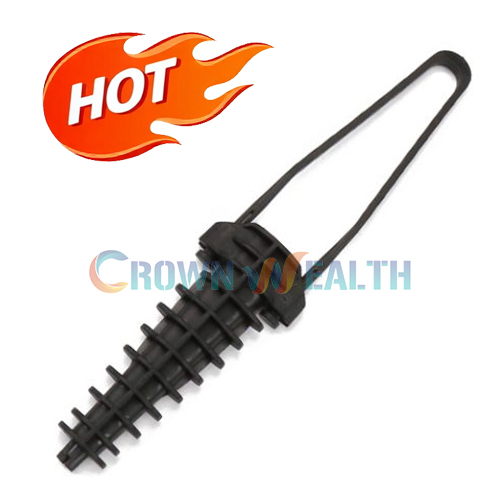
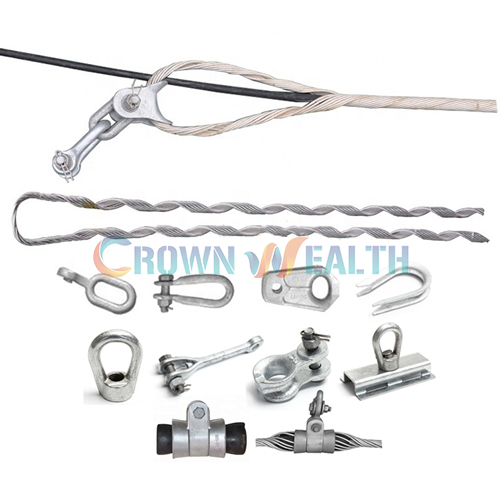
Do double suspension clamps require regular maintenance? This is a question that often arises among professionals in the electrical and telecommunications industries. As a supplier of double suspension clamps, I am frequently asked about the maintenance requirements of these essential components. In this blog post, I will explore the factors that determine whether double suspension clamps need regular maintenance and provide insights based on industry best practices.
Understanding Double Suspension Clamps
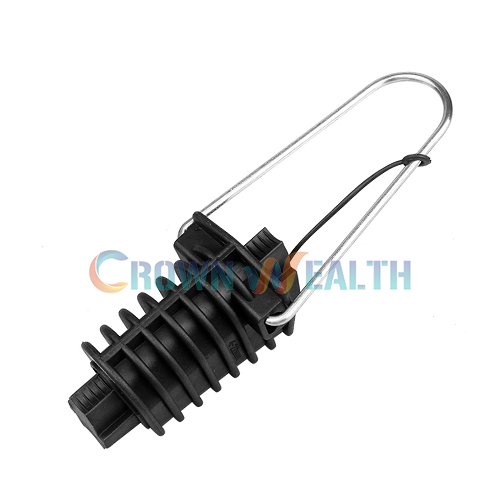
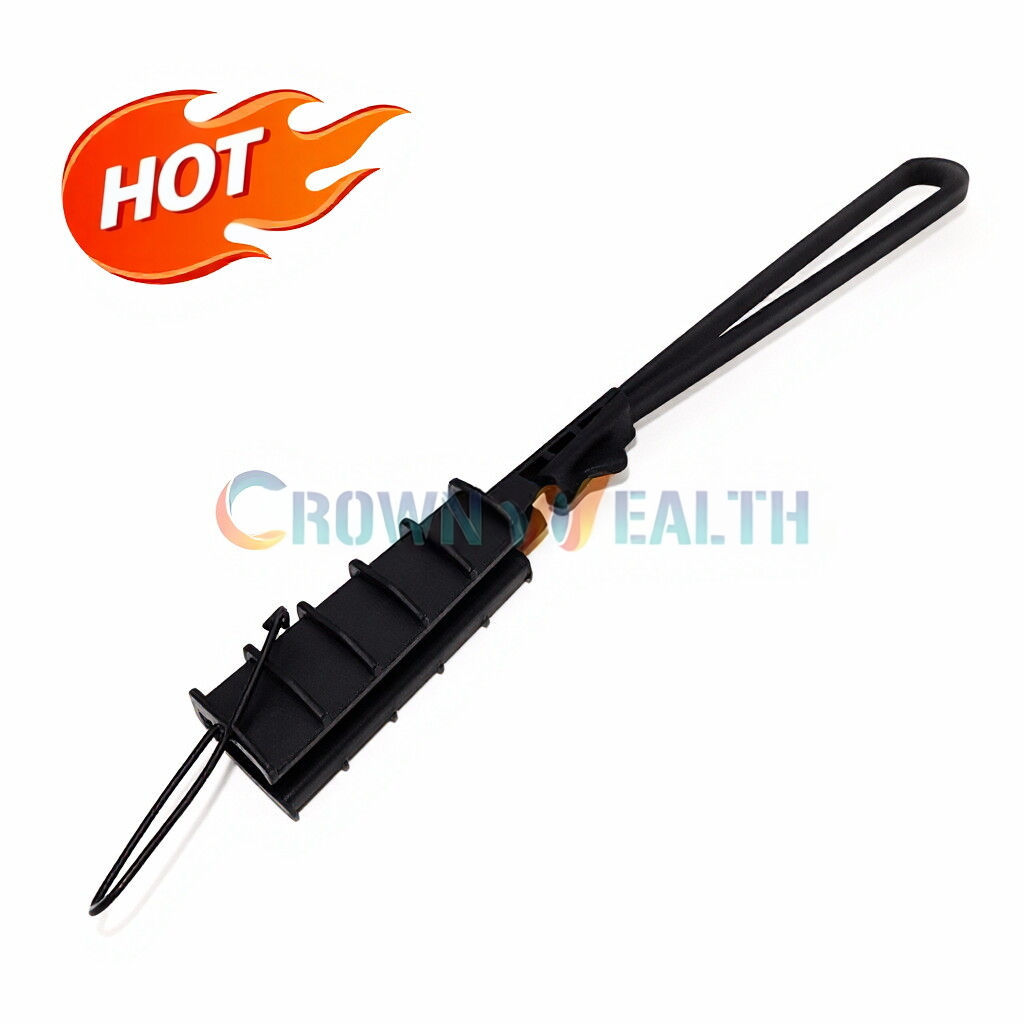
Double suspension clamps are crucial for supporting and securing overhead power lines and fiber optic cables. They are designed to withstand various environmental conditions and mechanical stresses, ensuring the stability and reliability of the infrastructure. These clamps typically consist of two parts that are used to grip the cable or conductor firmly, preventing it from sagging or moving excessively.
The materials used in double suspension clamps vary, but common options include aluminum alloy, galvanized steel, and stainless steel. Each material has its own set of properties that affect the clamp's performance and durability. For example, aluminum alloy clamps are lightweight and corrosion-resistant, making them suitable for many applications. Galvanized steel clamps, on the other hand, offer high strength and are more resistant to mechanical damage.
Factors Affecting Maintenance Requirements
Several factors determine whether double suspension clamps require regular maintenance. These factors can be broadly categorized into environmental, mechanical, and material-related aspects.
Environmental Factors
- Weather Conditions: Exposure to extreme weather conditions such as high winds, heavy rain, snow, and ice can put additional stress on double suspension clamps. For example, strong winds can cause the cables to sway, which may lead to loosening of the clamps over time. In areas with high humidity or near coastal regions, corrosion can be a significant concern. Saltwater in the air can accelerate the corrosion process, especially for metal clamps.
- Pollution and Contamination: Industrial pollution, dust, and chemical contaminants can also affect the performance of double suspension clamps. Pollutants can accumulate on the surface of the clamps, leading to corrosion or reduced gripping force. In areas with high levels of pollution, more frequent inspections and maintenance may be necessary.
Mechanical Factors
- Load and Vibration: The weight of the cable or conductor supported by the double suspension clamp, as well as any dynamic loads such as vibration, can impact its long - term performance. Over time, continuous vibration can cause the clamp's bolts or fasteners to loosen, reducing its ability to hold the cable securely. High - load applications may also require more frequent maintenance to ensure the clamps can withstand the stress.
- Installation Quality: Proper installation is crucial for the long - term performance of double suspension clamps. If the clamps are not installed correctly, they may be subject to uneven stress, which can lead to premature failure. For example, if the bolts are not tightened to the correct torque, the clamp may not grip the cable firmly, increasing the risk of slippage.
Material - Related Factors
- Material Degradation: Different materials used in double suspension clamps have different rates of degradation. For instance, aluminum alloy may be more prone to oxidation over time, while galvanized steel may lose its protective zinc coating due to abrasion or environmental factors. The quality of the material and its resistance to corrosion and mechanical wear also play a significant role in determining maintenance requirements.
Signs That Maintenance Is Needed
Even if double suspension clamps do not require regular scheduled maintenance, it is important to be aware of the signs that indicate maintenance may be necessary. These signs include:
- Visible Corrosion: Rust or other forms of corrosion on the surface of the clamp can indicate that the protective coating has been compromised. This can weaken the clamp and reduce its gripping force.
- Loose Bolts or Fasteners: If the bolts or fasteners on the clamp are loose, it may be a sign that the clamp is not holding the cable securely. This can be caused by vibration, improper installation, or long - term wear.
- Cable Movement or Slippage: Any visible movement or slippage of the cable within the clamp is a serious issue. It can lead to additional stress on the cable and other components of the infrastructure, increasing the risk of failure.
- Damage to the Clamp Body: Cracks, dents, or other physical damage to the clamp body can also indicate that maintenance is required. This damage can weaken the clamp and compromise its ability to support the cable.
Maintenance Practices for Double Suspension Clamps
If maintenance is deemed necessary, the following practices can help ensure the continued performance of double suspension clamps:
- Inspection: Regular visual inspections should be carried out to check for signs of corrosion, damage, and loose fasteners. Inspections can be done at different intervals depending on the environmental and mechanical factors mentioned above.
- Cleaning: Removing dirt, dust, and contaminants from the surface of the clamps can help prevent corrosion and maintain their performance. This can be done using a mild detergent and a soft brush.
- Tightening of Bolts and Fasteners: If any bolts or fasteners are found to be loose during the inspection, they should be tightened to the correct torque. It is important to use the appropriate tools and follow the manufacturer's recommendations.
- Replacement of Worn or Damaged Parts: If the clamp shows signs of significant damage or wear, such as cracks or excessive corrosion, it may be necessary to replace the entire clamp or specific parts.
Related Products and Their Maintenance
In addition to double suspension clamps, there are other related products that are used in the same applications. For example, the ADSS Down Lead Clamp is used to secure the down - lead of ADSS (All - Dielectric Self - Supporting) cables. Similar to double suspension clamps, these clamps may also require maintenance depending on the environmental and mechanical factors.


The PreformedTension Clamp for Short Span ADSS is another important component. This clamp is designed to provide tension to the ADSS cable in short - span applications. Regular inspection of these clamps can help ensure that they are functioning properly and that the cable is under the correct tension.
The Hot Dip Galvanized Strain Clamp is used to support and anchor the cable under high tension. The hot - dip galvanized coating provides excellent corrosion resistance, but it is still important to inspect these clamps for any signs of damage or loosening.
Conclusion
In conclusion, whether double suspension clamps require regular maintenance depends on a variety of factors, including environmental conditions, mechanical stresses, and the material of the clamp. While some applications may require minimal maintenance, others may need more frequent inspections and upkeep to ensure the long - term performance and reliability of the infrastructure.
As a supplier of double suspension clamps, we are committed to providing high - quality products and offering technical support to our customers. If you have any questions about the maintenance requirements of our double suspension clamps or other related products, or if you are interested in purchasing our products, please feel free to contact us for further discussions. We look forward to working with you to meet your needs in the electrical and telecommunications industries.
References
- Electrical Transmission and Distribution Handbook, Third Edition
- Standards and Guidelines for Overhead Power Line Maintenance
- Research Papers on the Performance of Cable Clamps in Different Environments