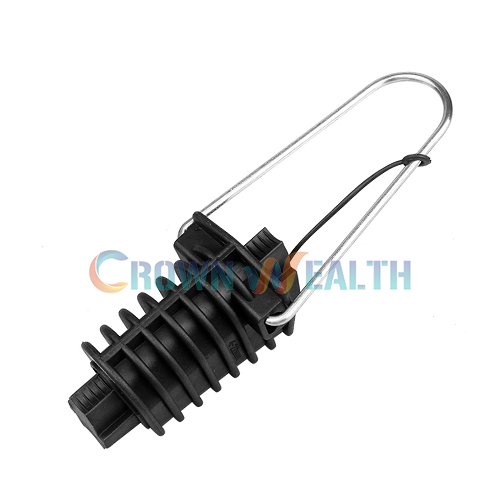
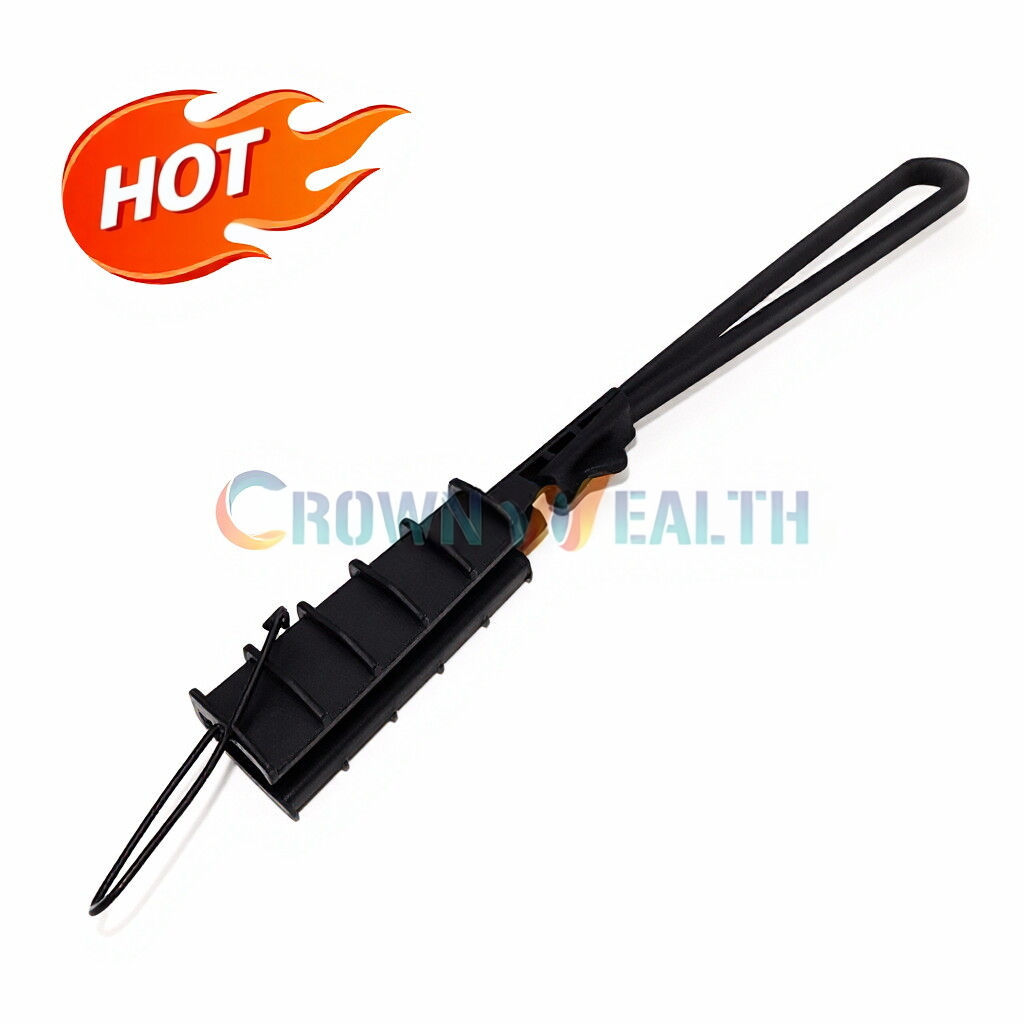
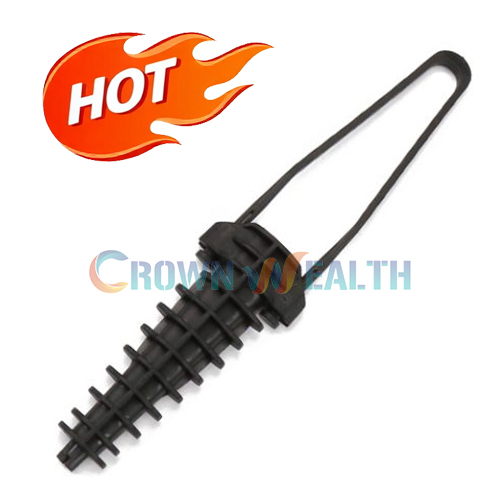
Hey there! I'm a supplier of Dead End Guy Grips, and today I wanna chat about a question that often pops up: Are Dead End Guy Grips prone to cracking?
Let's first understand what Dead End Guy Grips are. These are essential components in electrical and telecommunications infrastructure. They're used to anchor guy wires at the end points, providing stability to poles and towers. Think of them as the unsung heroes that keep everything in place, preventing those poles from toppling over in strong winds or under the weight of heavy cables.
Now, onto the big question - cracking. There are a few factors that can contribute to cracking in Dead End Guy Grips.
Material Quality
The material used to make the grips plays a huge role. If low - quality materials are used, they're more likely to crack. For instance, if the metal alloy has impurities or isn't properly heat - treated, it can weaken the structure. High - quality materials, on the other hand, are more resilient and can withstand stress better. At our place, we source only the best materials to ensure the durability of our Dead End Guy Grips. We work with trusted suppliers who adhere to strict quality control standards. This way, we can minimize the risk of cracking right from the manufacturing stage.
Installation
How the Dead End Guy Grips are installed is another crucial factor. If they're not installed correctly, it can put uneven stress on the grips, leading to cracking over time. For example, if the grip isn't tightened properly or is misaligned, it won't distribute the load evenly. This uneven distribution can cause certain parts of the grip to bear more stress than others, eventually resulting in cracks. That's why we always provide detailed installation instructions with our products. We also offer support to our customers during the installation process to make sure everything is done right.
Environmental Conditions
The environment where the Dead End Guy Grips are used can also affect their susceptibility to cracking. Extreme temperatures, humidity, and exposure to corrosive substances can all take a toll on the grips. In areas with high humidity, the grips may be more prone to rust, which can weaken the metal and lead to cracking. Similarly, in regions with very cold temperatures, the metal can become brittle, increasing the risk of cracking. To combat these issues, we offer coatings and treatments for our grips. These protective layers can help prevent rust and improve the grip's resistance to environmental factors.
Load and Stress
The amount of load and stress the Dead End Guy Grips are subjected to is a major determinant of cracking. If the grip is overloaded, it's much more likely to crack. This can happen if the guy wire is supporting more weight than the grip was designed for. For example, in a situation where there are additional cables added to a pole without considering the capacity of the existing grips, the extra load can cause the grips to fail. That's why it's important to choose the right size and type of grip for the specific application. We have a wide range of Dead End Guy Grips with different load - bearing capacities, so our customers can select the most suitable one for their needs.
Now, let's talk about some related products that can work in conjunction with Dead End Guy Grips to enhance the overall performance of the infrastructure.
Vibration Damper is one such product. Vibration can cause a lot of problems in electrical and telecommunications systems. It can lead to fatigue in the cables and components, including the Dead End Guy Grips. A Vibration Damper helps to reduce these vibrations, which in turn can extend the lifespan of the grips. By minimizing the stress caused by vibrations, the risk of cracking in the grips is significantly reduced.
Another useful product is the Tuning Fork Vibration Damper. This type of damper is specifically designed to target certain frequencies of vibration. It's highly effective in reducing the amplitude of vibrations, which can be especially beneficial in areas with high - wind conditions or near sources of mechanical vibration. When used in combination with Dead End Guy Grips, it can provide an extra layer of protection against cracking.
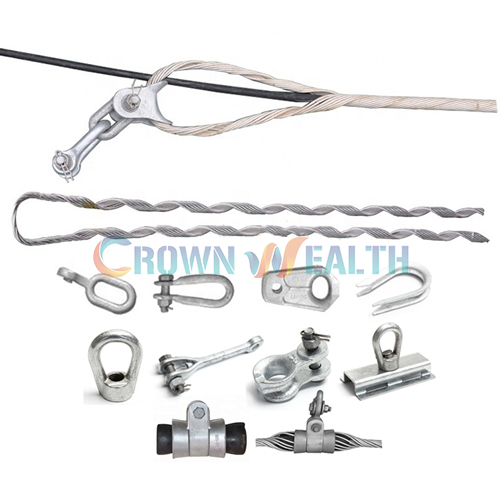
We also offer Preformed End Guy Grips. These grips are pre - formed to fit the shape of the guy wire, which ensures a more secure and even fit. This proper fit helps to distribute the load more evenly, reducing the chances of cracking. They're also easier to install compared to traditional grips, which can save time and labor costs.
So, are Dead End Guy Grips prone to cracking? Well, it depends on a variety of factors as we've discussed. But if you choose high - quality grips from a reliable supplier, install them correctly, and take appropriate measures to protect them from the environment and excessive stress, the risk of cracking can be greatly minimized.


At our company, we're committed to providing top - notch Dead End Guy Grips and related products. We understand the importance of these components in your infrastructure, and we want to make sure you get the best value for your money. If you're in the market for Dead End Guy Grips or any of the related products we've mentioned, don't hesitate to reach out. We'd love to have a chat with you about your specific requirements and help you find the right solutions. Whether you're working on a small - scale project or a large - scale infrastructure development, we've got you covered.
So, if you're interested in purchasing our Dead End Guy Grips or want to learn more about how we can help you with your project, just drop us a line. We're here to assist you every step of the way.
References
- Electrical Infrastructure Handbook: This handbook provides in - depth knowledge about various components used in electrical systems, including Dead End Guy Grips. It covers topics such as material properties, installation techniques, and maintenance.
- Telecommunications Engineering Manual: Offers insights into the design and implementation of telecommunications infrastructure. It discusses the role of Dead End Guy Grips in ensuring the stability of poles and towers, as well as the impact of environmental factors on their performance.