As a seasoned supplier of Armor Rods, I've witnessed firsthand the critical role these components play in safeguarding electrical conductors. In this blog, I'll delve into the question: Do Armor Rods provide good protection? We'll explore the science behind their design, real - world applications, and the benefits they offer.
The Science Behind Armor Rods
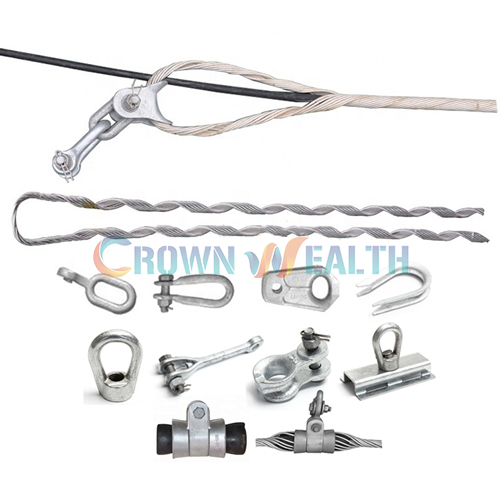
Armor Rods are essentially pre - formed helical wires that are wrapped around electrical conductors. Their design is based on a deep understanding of mechanical and electrical engineering principles. When installed around a conductor, Armor Rods distribute mechanical stress evenly. This is crucial because in power transmission and distribution systems, conductors are constantly subjected to various forces such as wind, ice loading, and vibrations.
The helical shape of Armor Rods allows them to grip the conductor firmly. This grip helps in preventing the conductor from being damaged by external forces. For example, during high - wind events, the Armor Rods act as a buffer, absorbing and redistributing the forces that would otherwise cause the conductor to bend or break.


From an electrical perspective, Armor Rods also play an important role. They help to reduce the electrical stress concentration at the conductor surface. By providing a more uniform electrical field around the conductor, they can prevent corona discharge, which is a phenomenon that can cause power loss and damage to the conductor over time.
Real - World Applications
Armor Rods have a wide range of applications in the power industry. One of the most common uses is in overhead power lines. These lines are exposed to the elements, and Armor Rods are essential for protecting the conductors from environmental damage. In areas with high wind speeds, such as coastal regions or mountainous areas, Armor Rods can significantly extend the lifespan of the conductors.
Another important application is in the repair of damaged conductors. Preformed Armor Rods for Conductor Repair are specifically designed to restore the integrity of a damaged conductor. They can be quickly and easily installed on - site, minimizing downtime and reducing repair costs. For example, if a conductor has been damaged by a fallen tree or a lightning strike, pre - formed Armor Rods can be used to reinforce the damaged section and prevent further deterioration.
In addition to overhead power lines, Armor Rods are also used in underground power cables. Although underground cables are protected from some environmental factors, they still need to be protected from mechanical damage during installation and operation. Armor Rods can provide a layer of protection that helps to prevent the cable from being damaged by rocks, construction equipment, or other external objects.
Benefits of Using Armor Rods
One of the main benefits of using Armor Rods is their ability to extend the lifespan of electrical conductors. By protecting the conductors from mechanical and electrical damage, Armor Rods can reduce the frequency of conductor replacement. This not only saves money on replacement costs but also reduces the environmental impact associated with the production and disposal of conductors.
Armor Rods also offer cost - effective protection. Compared to other methods of conductor protection, such as using larger - gauge conductors or installing additional support structures, Armor Rods are relatively inexpensive. They can be easily installed without the need for specialized equipment or extensive training, which further reduces the installation cost.
In terms of safety, Armor Rods play a crucial role. By preventing conductor damage, they reduce the risk of power outages, which can have serious consequences for industries, households, and public services. In addition, by reducing corona discharge, they can also reduce the risk of electrical fires and other safety hazards.
Comparison with Other Protection Methods
When compared to other conductor protection methods, Armor Rods have several advantages. For example, Helical Guy Grips are mainly used for providing mechanical support to conductors, but they may not offer the same level of electrical protection as Armor Rods. Guy grips are typically used to hold the conductor in place and prevent it from sagging, but they do not distribute electrical stress or prevent corona discharge.
Another common protection method is the use of insulating materials. While insulation can protect the conductor from electrical contact with other objects, it may not be as effective in protecting the conductor from mechanical damage. Armor Rods, on the other hand, provide both mechanical and electrical protection, making them a more comprehensive solution.
Quality and Reliability
As a supplier of Armor Rods, I understand the importance of quality and reliability. Our Armor Rods are manufactured using high - quality materials and advanced manufacturing processes. We conduct rigorous quality control tests to ensure that each Armor Rod meets the highest industry standards.
We also offer a wide range of Armor Rods to meet the different needs of our customers. Whether you need Armor Rods for a small - scale power distribution system or a large - scale transmission line, we have the right product for you. Our team of experts can also provide technical support and advice to help you choose the most suitable Armor Rods for your specific application.
Conclusion
In conclusion, Armor Rods do provide good protection for electrical conductors. Their unique design and functionality offer a combination of mechanical and electrical protection that is essential for the reliable operation of power systems. Whether it's protecting overhead power lines from environmental damage, repairing damaged conductors, or providing protection for underground cables, Armor Rods are a cost - effective and reliable solution.
If you're in the market for high - quality Armor Rods, I encourage you to reach out to us. We're ready to discuss your specific requirements and provide you with the best Armor Rod solutions. Contact us today to start a conversation about your conductor protection needs.
References
- Electrical Power Systems Engineering Handbook, Second Edition.
- IEEE Standards for Overhead Transmission Lines.
- International Electrotechnical Commission (IEC) Standards for Conductors and Insulators.