In the realm of power transmission and fiber - optic communication, ADSS (All - Dielectric Self - Supporting) cables play a pivotal role. These cables are designed to be self - supporting without the need for a metallic strength member, which makes them ideal for use in high - voltage environments. However, to ensure the proper installation and long - term performance of ADSS cables, the use of high - quality fastening clamps is essential. One of the common concerns in various installation environments is whether ADSS fastening clamps are resistant to sand and dust. As a supplier of ADSS fastening clamps, I will delve into this topic to provide a comprehensive understanding.
Understanding ADSS Fastening Clamps
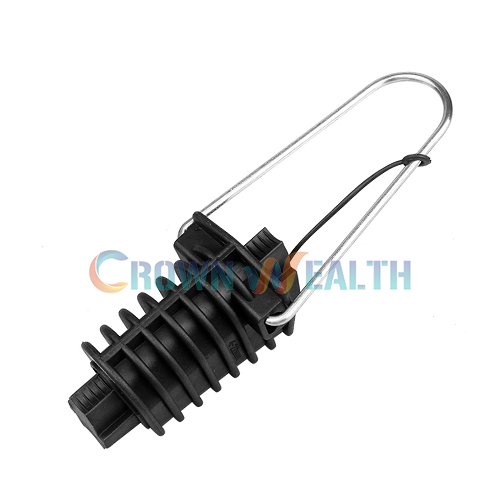
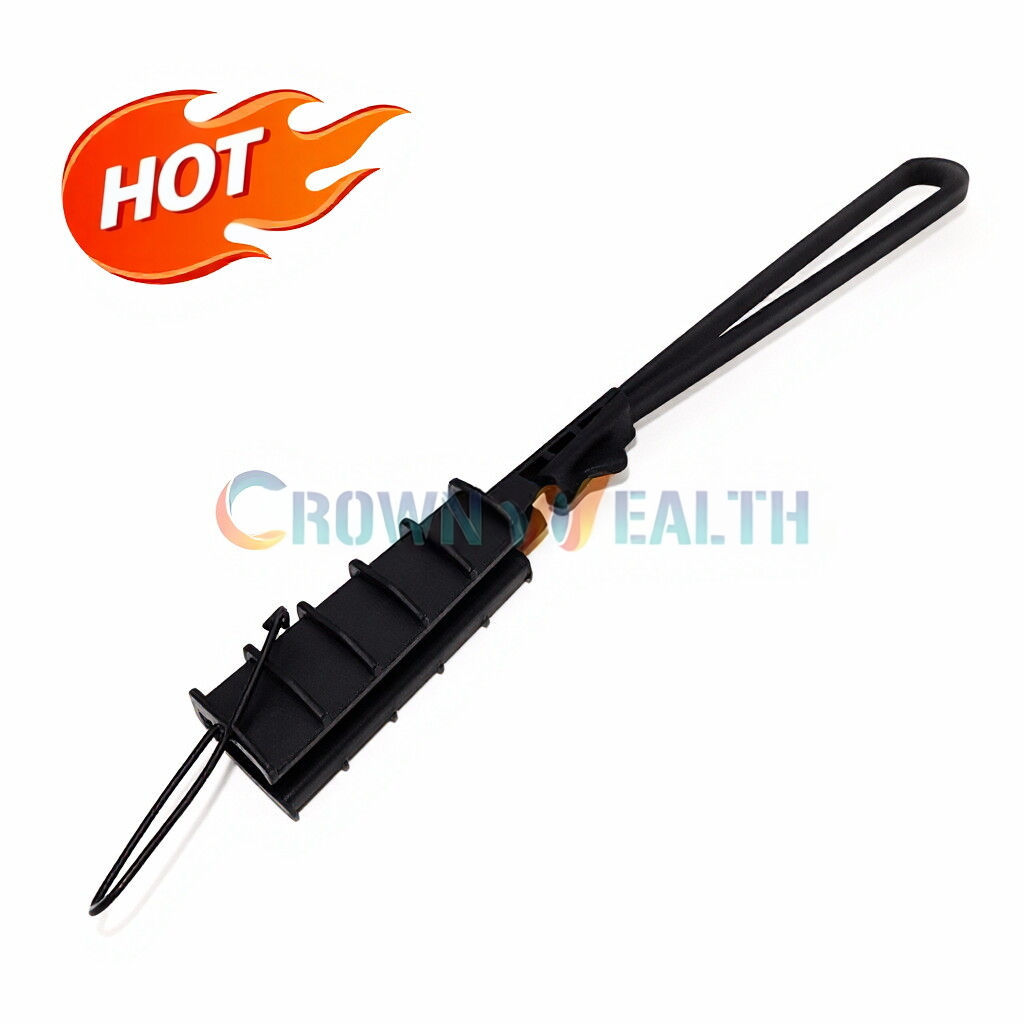
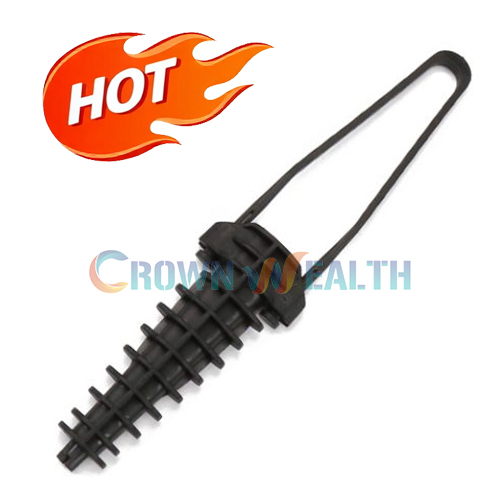
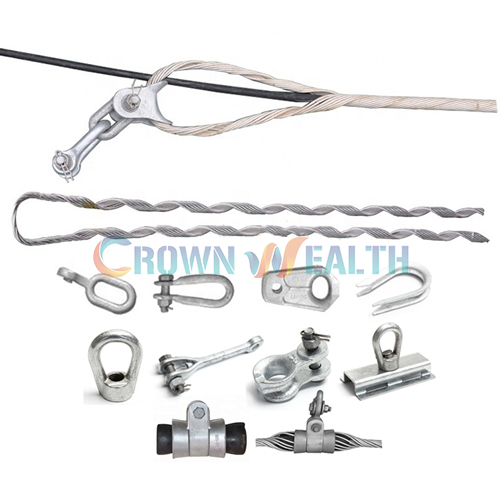
ADSS fastening clamps are specialized components used to secure ADSS cables to poles, towers, or other support structures. They come in different types, each serving a specific purpose. For instance, the Double Suspension Clamp is used to suspend the ADSS cable at intermediate points along the span. It provides stable support and helps to distribute the weight of the cable evenly. The Dead - end for Medium and Long Span ADSS is designed to terminate the ADSS cable at the end of a span, ensuring that the cable is firmly held in place. And the ADSS Down Lead Clamp is used to secure the cable as it descends from the main span to the ground or other equipment.
The Impact of Sand and Dust on ADSS Fastening Clamps
Sand and dust can have several adverse effects on ADSS fastening clamps. Firstly, abrasion is a significant concern. When sand particles are carried by the wind and come into contact with the surface of the clamp, they can act like tiny abrasives, gradually wearing down the outer layer of the clamp. Over time, this abrasion can weaken the structural integrity of the clamp, leading to potential failures.
Secondly, the accumulation of dust can cause issues with the clamping mechanism. Dust can get into the moving parts of the clamp, such as the bolts and nuts, and interfere with their proper operation. This can result in loose connections, which may lead to the cable shifting or even detaching from the support structure.
In addition, sand and dust can also have a corrosive effect, especially in the presence of moisture. Some dust particles may contain chemicals that can react with the material of the clamp, accelerating the corrosion process. Corrosion can not only damage the appearance of the clamp but also reduce its strength and durability.
Factors Affecting the Sand and Dust Resistance of ADSS Fastening Clamps
Material Selection
The choice of material is crucial in determining the sand and dust resistance of ADSS fastening clamps. High - quality materials, such as stainless steel or high - strength plastics, are often more resistant to abrasion and corrosion. Stainless steel has excellent corrosion resistance properties, which can help to protect the clamp from the effects of sand, dust, and moisture. High - strength plastics, on the other hand, are lightweight and can offer good resistance to abrasion. They are also less likely to be affected by chemical reactions with dust particles.
Surface Treatment
Surface treatment can significantly enhance the sand and dust resistance of ADSS fastening clamps. For example, a powder - coating finish can provide a protective layer on the surface of the clamp. This layer can act as a barrier against sand abrasion and prevent dust from adhering to the clamp. Anodizing is another common surface treatment method, especially for aluminum clamps. It creates a hard, protective oxide layer on the surface, which improves the clamp's resistance to wear and corrosion.
Design Features
The design of the clamp can also influence its sand and dust resistance. Clamps with a smooth surface are less likely to trap dust compared to those with rough or textured surfaces. Additionally, well - sealed designs can prevent dust from entering the internal parts of the clamp. For example, some clamps are designed with gaskets or seals around the bolt holes to keep dust out.
Testing and Certification
To ensure that our ADSS fastening clamps are resistant to sand and dust, we conduct a series of rigorous tests. One of the common tests is the sand abrasion test, where the clamp is exposed to a stream of sand particles at a specific velocity and for a certain period. This test simulates the conditions in a high - wind, sandy environment and helps us to evaluate the clamp's resistance to abrasion.


We also perform dust ingress tests. In these tests, the clamp is placed in a chamber filled with fine dust particles, and the amount of dust that enters the clamp is measured. This helps us to determine the effectiveness of the clamp's sealing and its ability to prevent dust from accumulating inside.
Furthermore, our products meet various industry standards and certifications related to environmental resistance. These certifications provide an independent verification of the quality and performance of our ADSS fastening clamps.
Real - World Applications and Case Studies
In regions with arid or semi - arid climates, such as deserts and some coastal areas, the issue of sand and dust is particularly prominent. We have supplied our ADSS fastening clamps to many projects in these areas, and the performance has been satisfactory.
For example, in a large - scale fiber - optic communication project in a desert region, our ADSS fastening clamps were used to secure the cables. After several years of operation, inspections showed that the clamps were still in good condition, with only minimal signs of abrasion. This is a testament to the sand and dust resistance of our products.
Conclusion and Call to Action
In conclusion, ADSS fastening clamps can be resistant to sand and dust if they are made from high - quality materials, have appropriate surface treatments, and are well - designed. As a supplier, we are committed to providing products that can withstand the harsh environmental conditions, including sand and dust.
If you are in need of ADSS fastening clamps for your project, whether it is in a sandy area or not, we encourage you to contact us for a detailed discussion. Our team of experts can help you select the most suitable products based on your specific requirements. We look forward to working with you to ensure the success of your fiber - optic communication or power transmission project.
References
- "Fiber Optic Cable Installation and Maintenance Handbook", John Wiley & Sons
- Industry standards related to ADSS cable fittings and environmental resistance.