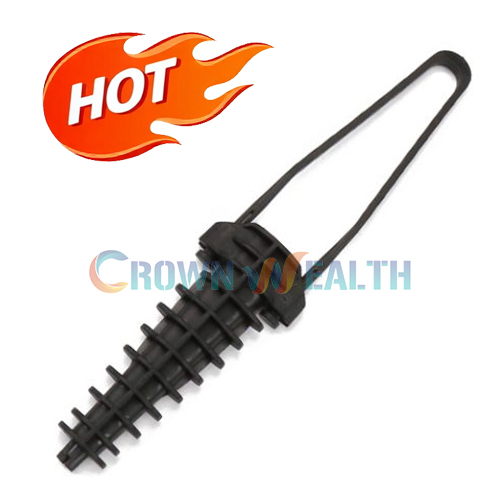
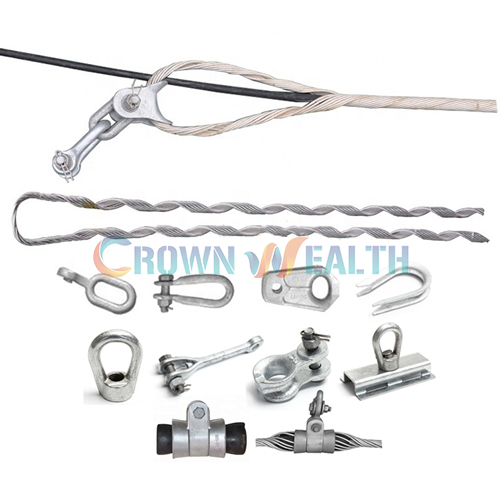
Hey there! I'm a supplier of protective fittings, and today I wanna chat about the production capacity of protective fitting manufacturers.
First off, let's understand what we mean by production capacity. It's basically how much stuff a manufacturer can make within a certain time frame. For protective fitting manufacturers, this is super important 'cause it directly affects how well they can meet the demands of the market.
When it comes to my business as a protective fitting supplier, I've seen a wide range of production capacities among different manufacturers. Some small - scale ones might only be able to produce a few hundred units of simple protective fittings per month. These are usually the guys who focus on niche products or custom - made items. They might not have the big - scale machinery or a large workforce, but they make up for it with high - quality, personalized products.
On the other hand, large - scale manufacturers can crank out thousands or even tens of thousands of units per month. They've got state - of - the - art production lines, automated machinery, and a huge team of workers. This allows them to handle large orders from big clients, like utility companies or large construction projects.
Let's take a look at some common types of protective fittings and how production capacity plays out for each.
Vibration Damper
Vibration Damper is one of the most important protective fittings in the power transmission and distribution industry. These devices are used to reduce the vibration of overhead power lines, which can extend the lifespan of the lines and prevent damage.
The production capacity of vibration damper manufacturers can vary greatly. Smaller manufacturers might produce around 500 - 1000 units per month. They often rely on semi - automated processes and manual labor to assemble the dampers. This gives them more flexibility in terms of customization, but it also limits their overall output.
Larger manufacturers, however, can produce upwards of 5000 units per month. They use fully automated production lines that can handle the entire manufacturing process, from molding the components to final assembly. This high - volume production not only allows them to meet large orders but also helps to keep the cost per unit down.
Armor Rods
Armor Rods are another crucial protective fitting. They are used to protect overhead power lines from mechanical damage, such as abrasion and bending.
Small - scale armor rod manufacturers usually have a production capacity of about 800 - 1500 units per month. They might use traditional manufacturing methods, like manual cutting and bending of the rods. This can result in a more artisanal product, but it's also slower and less efficient.
In contrast, large manufacturers can produce 3000 - 6000 units per month. They use advanced machinery, such as CNC (Computer Numerical Control) machines, to cut and shape the rods with high precision and speed. This enables them to produce a large quantity of armor rods in a relatively short period.
Helical Guy Grips
Helical Guy Grips are used to secure guy wires in place, providing stability to poles and towers.
Small manufacturers of helical guy grips can typically produce around 600 - 1200 units per month. Their production process might involve a lot of hand - work, which gives them the ability to make adjustments easily but restricts the number of units they can produce.
Large manufacturers, with their automated production facilities, can produce 4000 - 8000 units per month. They can handle the mass production of helical guy grips with consistent quality, which is essential for large - scale infrastructure projects.
Now, what factors affect the production capacity of protective fitting manufacturers?


One major factor is the technology and equipment they use. As I mentioned earlier, manufacturers with advanced automated machinery can produce more units in less time compared to those relying on manual labor. The quality of the equipment also matters. High - end machinery is more reliable and has fewer breakdowns, which means less downtime and more production.
The workforce is another key factor. A well - trained and experienced workforce can work more efficiently. They know how to operate the equipment properly, troubleshoot problems quickly, and ensure the quality of the products. In addition, the size of the workforce directly impacts the production capacity. More workers generally mean more hands on deck to produce the protective fittings.
Raw material availability is also crucial. If a manufacturer can't get enough raw materials, such as steel, aluminum, or plastic, their production will be halted. That's why many manufacturers build good relationships with their suppliers to ensure a steady supply of materials.
Market demand also plays a role. If there's a high demand for a particular type of protective fitting, manufacturers might invest in expanding their production capacity. They could buy new equipment, hire more workers, or even build new production facilities.
As a protective fitting supplier, I always keep an eye on the production capacity of my manufacturers. It helps me manage my inventory and meet the needs of my customers. If I know a manufacturer has a high production capacity, I can place larger orders and offer better prices to my clients.
If you're in the market for protective fittings, whether it's vibration dampers, armor rods, or helical guy grips, and you're looking for a reliable supplier, I'd love to chat with you. I've got connections with manufacturers of different production capacities, so I can find the right solution for your needs, whether you need a small quantity of customized products or a large - scale order for a big project. Let's have a talk and see how we can work together!
References
- Industry reports on protective fitting manufacturing
- Interviews with protective fitting manufacturers