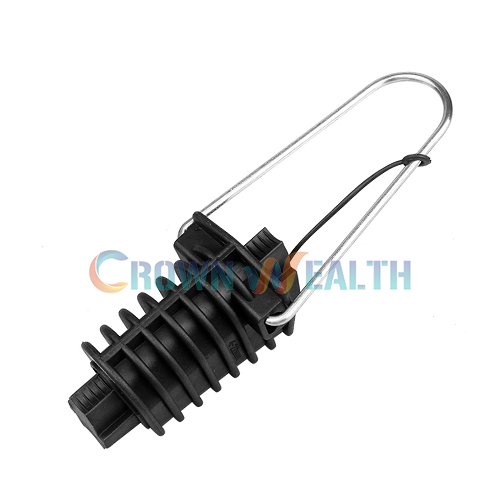
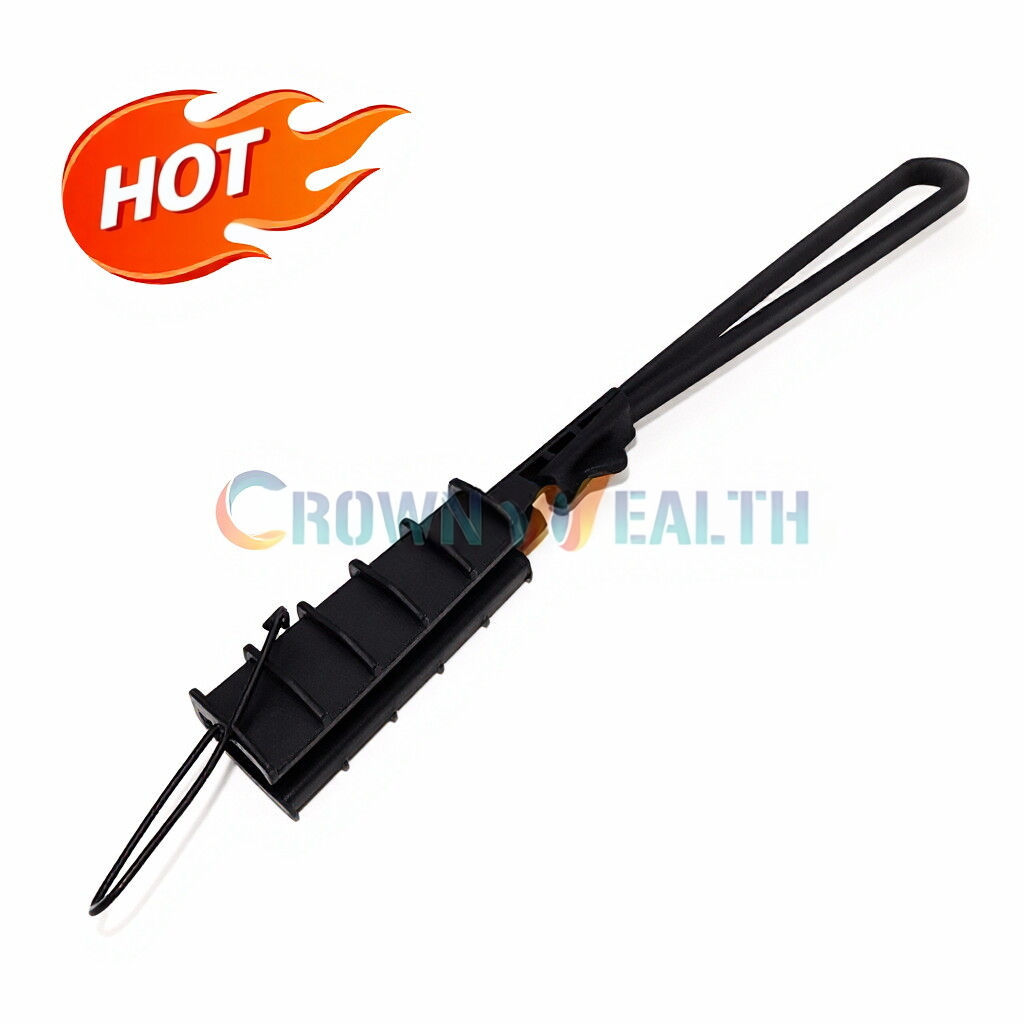
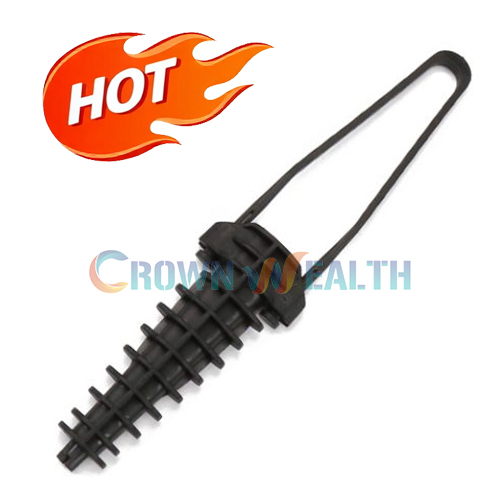
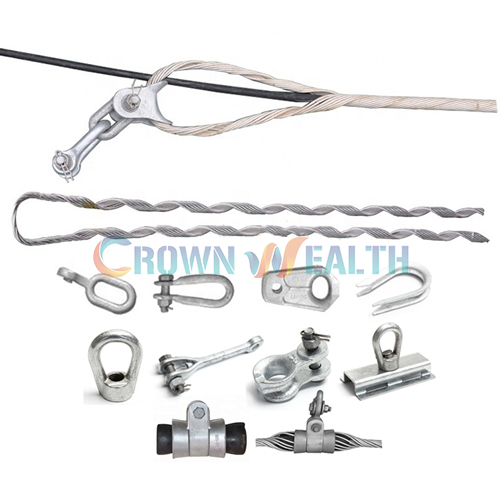
As a supplier of Dead End Guy Grips, ensuring the integrity of these essential components is of utmost importance. Dead End Guy Grips play a crucial role in overhead line systems, providing reliable support and termination for cables. In this blog post, I will share some effective methods to check the integrity of Dead End Guy Grips, which can help our customers maintain the safety and efficiency of their electrical infrastructure.
Visual Inspection
The first step in checking the integrity of Dead End Guy Grips is a thorough visual inspection. This can reveal obvious signs of damage, wear, or corrosion that may compromise the performance of the grips.
Physical Damage
Look for any visible cracks, breaks, or deformities in the grip itself. These can occur due to mechanical stress, improper installation, or environmental factors. For example, if the grip has been subjected to excessive tension or impact, it may develop cracks that can weaken its structure over time. Pay close attention to the areas where the grip is in contact with the cable, as these are the points of highest stress.
Corrosion
Corrosion is a common issue that can affect the integrity of Dead End Guy Grips, especially in outdoor environments. Check for signs of rust, oxidation, or other forms of corrosion on the surface of the grip. Corrosion can not only weaken the material but also cause the grip to lose its grip on the cable, leading to potential failures. If corrosion is detected, it is important to take appropriate measures to prevent further damage, such as applying a protective coating or replacing the grip if necessary.
Proper Installation
Ensure that the Dead End Guy Grips are installed correctly according to the manufacturer's instructions. Check that the grip is properly seated on the cable and that all the components are tightened to the recommended torque. Improper installation can lead to uneven stress distribution, which can cause premature failure of the grip. Look for any signs of misalignment or loose connections, as these can also indicate installation issues.
Mechanical Testing
In addition to visual inspection, mechanical testing can provide more detailed information about the integrity of Dead End Guy Grips. There are several types of mechanical tests that can be performed, depending on the specific requirements and standards.
Tensile Testing
Tensile testing is one of the most common methods used to evaluate the strength of Dead End Guy Grips. This test involves applying a gradually increasing tensile force to the grip until it fails. The maximum load that the grip can withstand before failure is recorded as its ultimate tensile strength. Tensile testing can help determine if the grip meets the specified strength requirements and if it is capable of withstanding the expected loads in the field.
Fatigue Testing
Fatigue testing is used to simulate the repeated loading and unloading that Dead End Guy Grips may experience during their service life. This test involves applying a cyclic load to the grip for a specified number of cycles. The grip is then inspected for any signs of damage or failure. Fatigue testing can help identify potential weaknesses in the grip's design or material that may lead to premature failure under repeated loading conditions.
Grip Strength Testing
Grip strength testing measures the ability of the Dead End Guy Grip to hold the cable securely. This test involves applying a radial force to the grip while the cable is under tension. The force required to cause the cable to slip out of the grip is recorded as the grip strength. Grip strength testing can help ensure that the grip provides sufficient holding power to prevent the cable from pulling out under normal operating conditions.
Non-Destructive Testing
Non-destructive testing (NDT) methods can be used to detect internal defects or damage in Dead End Guy Grips without causing any damage to the component. These methods are particularly useful for identifying hidden flaws that may not be visible during visual inspection.
Ultrasonic Testing
Ultrasonic testing uses high-frequency sound waves to detect internal defects in the material. A transducer is used to send ultrasonic waves into the grip, and the reflected waves are analyzed to identify any discontinuities or flaws. Ultrasonic testing can detect cracks, voids, or other internal defects that may affect the integrity of the grip.
Magnetic Particle Testing
Magnetic particle testing is used to detect surface and near-surface defects in ferromagnetic materials. A magnetic field is applied to the grip, and magnetic particles are then applied to the surface. Any defects in the material will cause the magnetic particles to accumulate, making them visible to the inspector. Magnetic particle testing is a quick and effective method for detecting surface cracks or other defects in Dead End Guy Grips.
Eddy Current Testing
Eddy current testing uses electromagnetic induction to detect surface and near-surface defects in conductive materials. An alternating current is passed through a coil, which creates an electromagnetic field. When the coil is brought close to the grip, the electromagnetic field induces eddy currents in the material. Any defects in the material will cause a change in the eddy currents, which can be detected by the testing equipment. Eddy current testing is a sensitive method for detecting small surface cracks or other defects in Dead End Guy Grips.
Importance of Regular Inspections
Regular inspections of Dead End Guy Grips are essential to ensure their long-term integrity and reliability. By conducting visual inspections, mechanical testing, and non-destructive testing on a regular basis, potential issues can be identified and addressed before they lead to failures. This can help prevent costly downtime, repairs, and safety hazards.


In addition to regular inspections, it is also important to follow the manufacturer's recommendations for maintenance and replacement of Dead End Guy Grips. Over time, the grips may experience wear and tear, and their performance may degrade. By replacing the grips at the recommended intervals, the risk of failure can be minimized, and the overall safety and efficiency of the overhead line system can be maintained.
Conclusion
Checking the integrity of Dead End Guy Grips is a critical part of maintaining the safety and reliability of overhead line systems. By performing visual inspections, mechanical testing, and non-destructive testing, potential issues can be identified and addressed before they lead to failures. Regular inspections and maintenance are essential to ensure the long-term performance of Dead End Guy Grips.
As a supplier of Dead End Guy Grips, we are committed to providing high-quality products and reliable support to our customers. Our Overhead Line Accessories Preformed Dead End Clamp Guy Grip for Cable are designed and manufactured to meet the highest standards of quality and performance. We also offer a range of Hot Dip Galvanized Dampers and Preformed Dead End Guy Grips to meet the diverse needs of our customers.
If you are interested in our products or have any questions about checking the integrity of Dead End Guy Grips, please feel free to contact us for more information. We look forward to the opportunity to discuss your requirements and provide you with the best solutions for your overhead line systems.
References
- Manufacturer's installation and maintenance manuals for Dead End Guy Grips
- Industry standards and guidelines for testing and inspection of overhead line components