Hey there! I'm a supplier of protective fittings, and today I wanna chat about the market demand for these nifty products. Protective fittings are crucial in various industries, and understanding the market demand can help us suppliers better serve our customers.
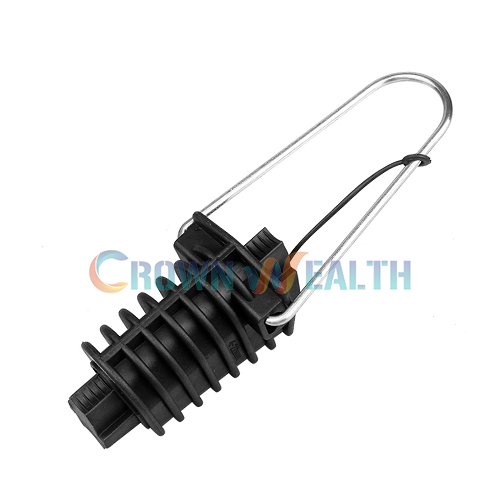
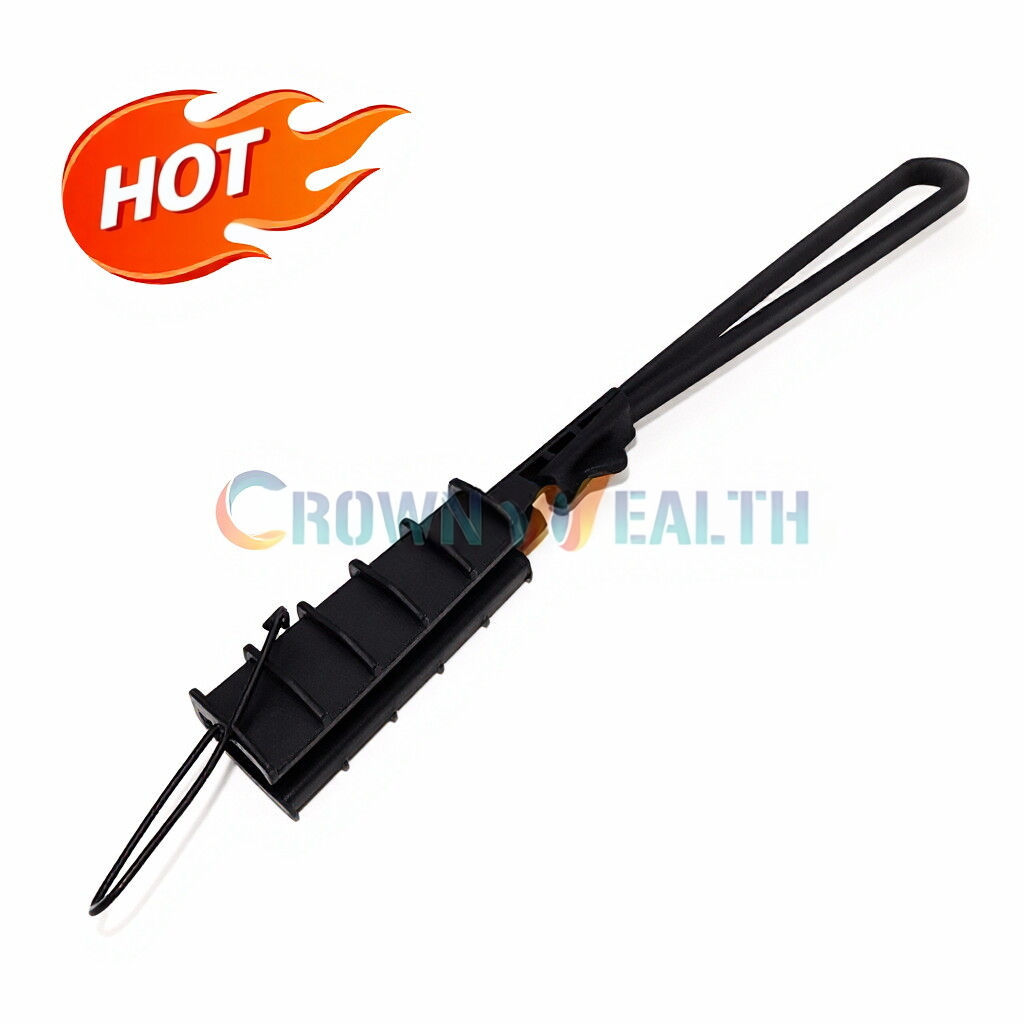
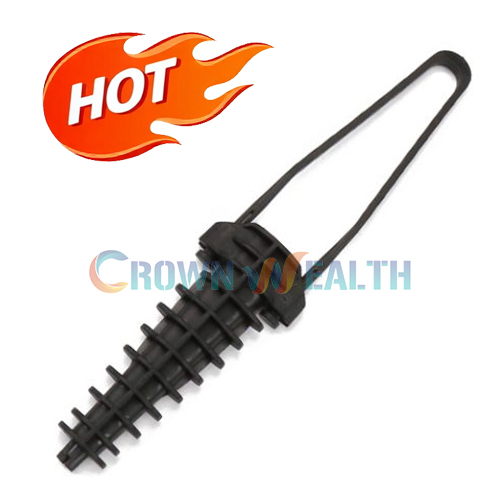
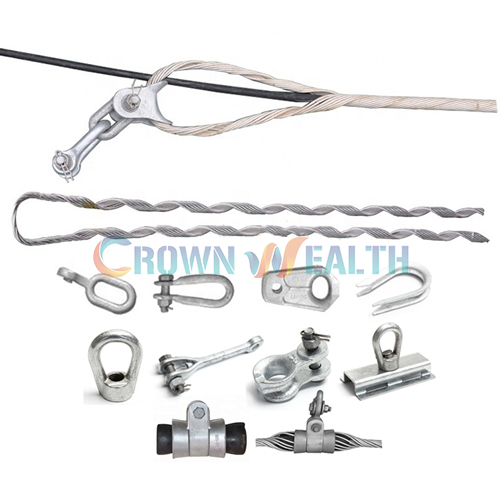
First off, let's talk about where these protective fittings are used. One of the biggest sectors is the telecommunications industry. With the ever - growing need for reliable communication, telecom companies are constantly building and maintaining their networks. Cables used in these networks are exposed to all sorts of environmental factors like wind, rain, and even wildlife. That's where protective fittings come in. For example, Preformed Guy Grips are used to secure guy wires that support utility poles. These grips ensure that the poles stay upright, even in harsh weather conditions. Utility companies need a steady supply of these grips to keep their infrastructure safe and functional.
The energy sector is another major consumer of protective fittings. Power lines are everywhere, transmitting electricity from power plants to homes and businesses. These lines are under constant stress from vibrations caused by wind and electrical currents. Spiral Vibration Damper is a great solution to this problem. It reduces the vibrations in the power lines, preventing fatigue and damage. As the demand for electricity continues to rise, there'll be a continuous need for these vibration dampers to protect the power grid.
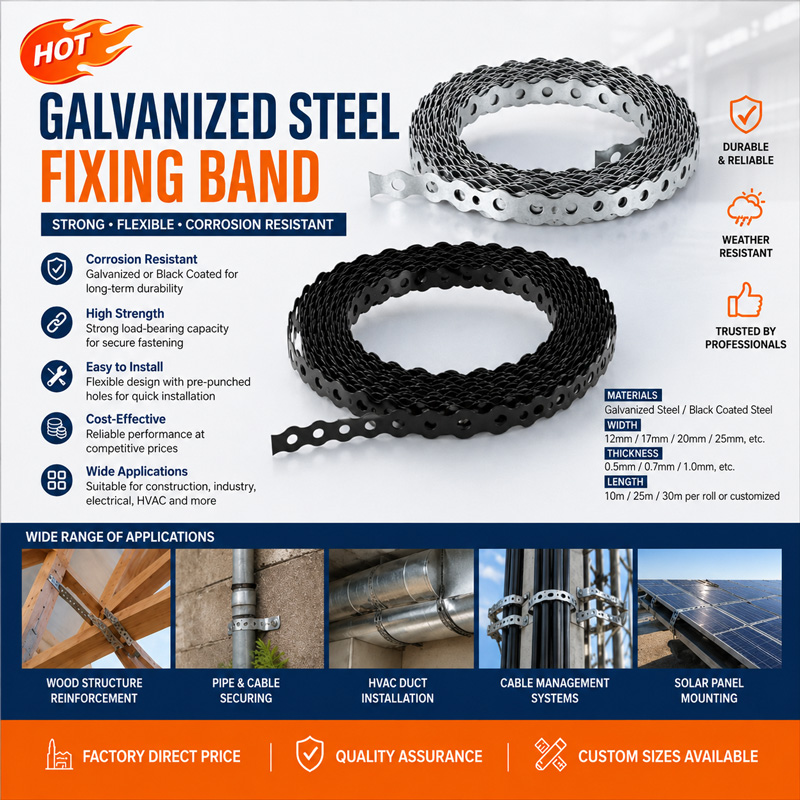
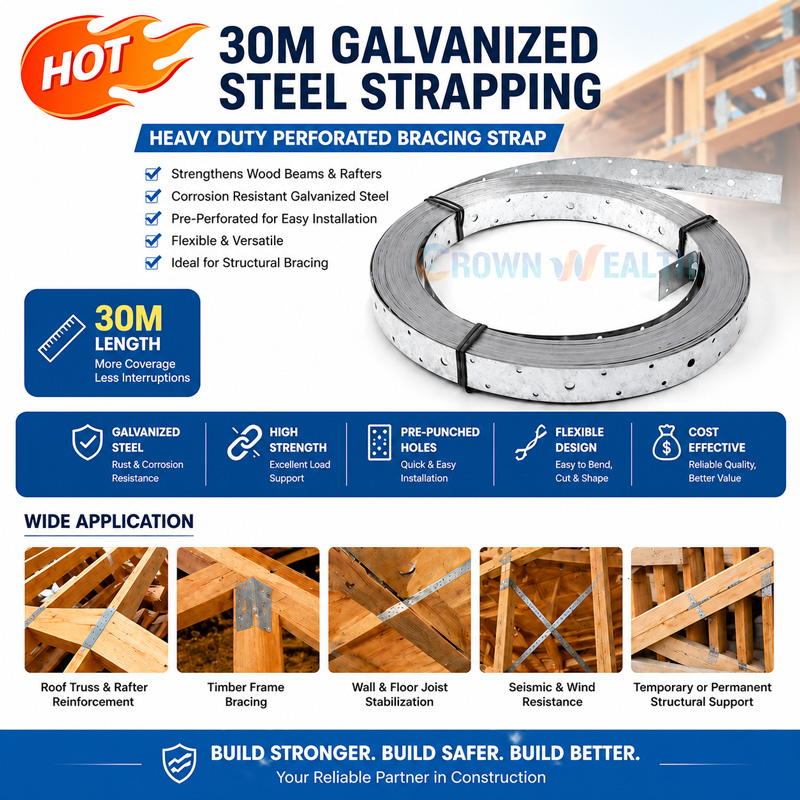
In the construction industry, protective fittings are also in high demand. When building tall structures like skyscrapers or bridges, safety is of utmost importance. Protective fittings are used to secure cables and wires, ensuring that the entire structure remains stable. Preformed End Guy Grips are often used at the ends of guy wires to prevent them from slipping or coming loose. Construction projects are always on the go, so there's a consistent market for these types of fittings.
Now, let's look at some factors that are driving the market demand for protective fittings. One of the key factors is technological advancement. As industries become more advanced, the requirements for protective fittings also increase. For instance, in the 5G era, telecom networks need more precise and reliable protective solutions. The new generation of cables and equipment demands fittings that can handle higher frequencies and more complex operating conditions.
Another factor is the growing awareness of safety. Businesses and governments are becoming more conscious of the importance of safety regulations. In the energy and construction sectors, strict safety standards are in place, and companies are required to use proper protective fittings to meet these standards. This has led to an increase in the demand for high - quality protective products.


Environmental concerns are also playing a role. With the push towards sustainable development, industries are looking for protective fittings that are environmentally friendly. Suppliers are now developing products that are made from recyclable materials and have a lower impact on the environment. This trend is likely to continue as more companies strive to be more eco - conscious.
The market demand for protective fittings is also influenced by economic growth. In developing countries, there's a lot of infrastructure building going on. As these countries continue to grow, the demand for protective fittings for their new projects will keep rising. Even in developed countries, there's a need for the replacement and upgrade of existing infrastructure, which also drives the market.
However, the market isn't without its challenges. One of the main challenges is the competition. There are many suppliers in the market, and it can be tough to stand out. To succeed, suppliers need to offer high - quality products at competitive prices. They also need to provide excellent customer service and technical support.
Another challenge is the cost of raw materials. The prices of metals and other materials used in protective fittings can be volatile. Fluctuations in raw material prices can affect the production cost and, in turn, the pricing of the final products. Suppliers need to manage their costs effectively to stay profitable.
Despite these challenges, the future of the protective fittings market looks bright. The demand is expected to keep growing as industries continue to expand and evolve. As a supplier, I'm always looking for ways to improve my products and services. I'm constantly researching and developing new solutions to meet the changing needs of my customers.
If you're in the market for protective fittings, whether you're from the telecommunications, energy, or construction industry, I'd love to have a chat with you. I can offer you a wide range of high - quality products at competitive prices. We can discuss your specific needs and find the best solutions for your projects. So, don't hesitate to reach out and start a conversation about your procurement needs.
References
- Industry reports on telecommunications, energy, and construction sectors.
- Safety regulations and standards in relevant industries.
- Market research on the trends and challenges in the protective fittings market.