In the realm of fiber - optic communication, All - Dielectric Self - Supporting (ADSS) cables have emerged as a reliable solution for overhead installations. As an ADSS fitting supplier, I am often asked about the compatibility of ADSS fittings with different optical cables. This blog post aims to delve deep into this topic, providing you with comprehensive insights.
Understanding ADSS Cables and Fittings
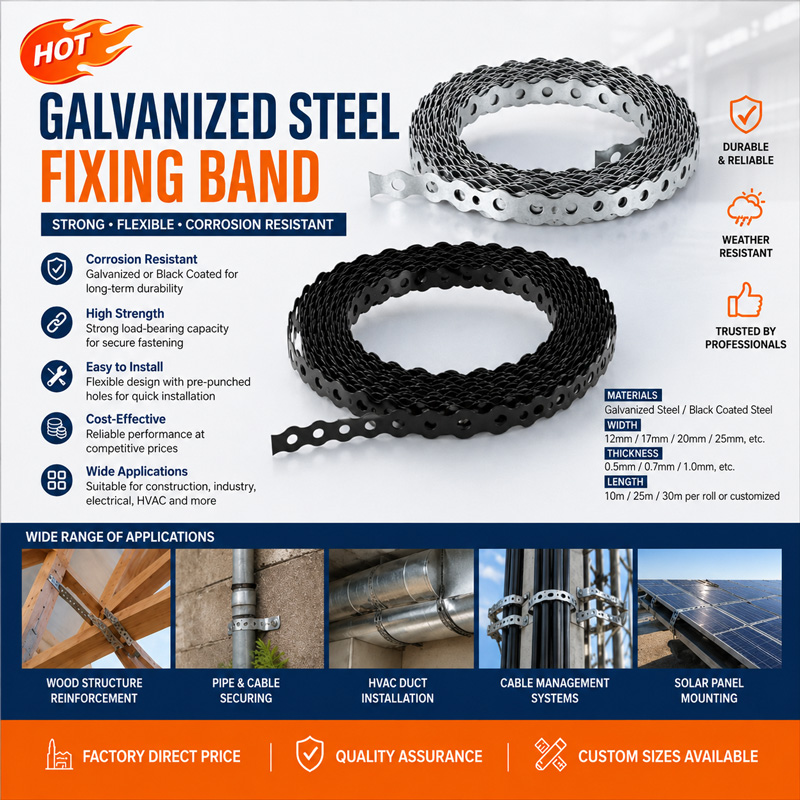
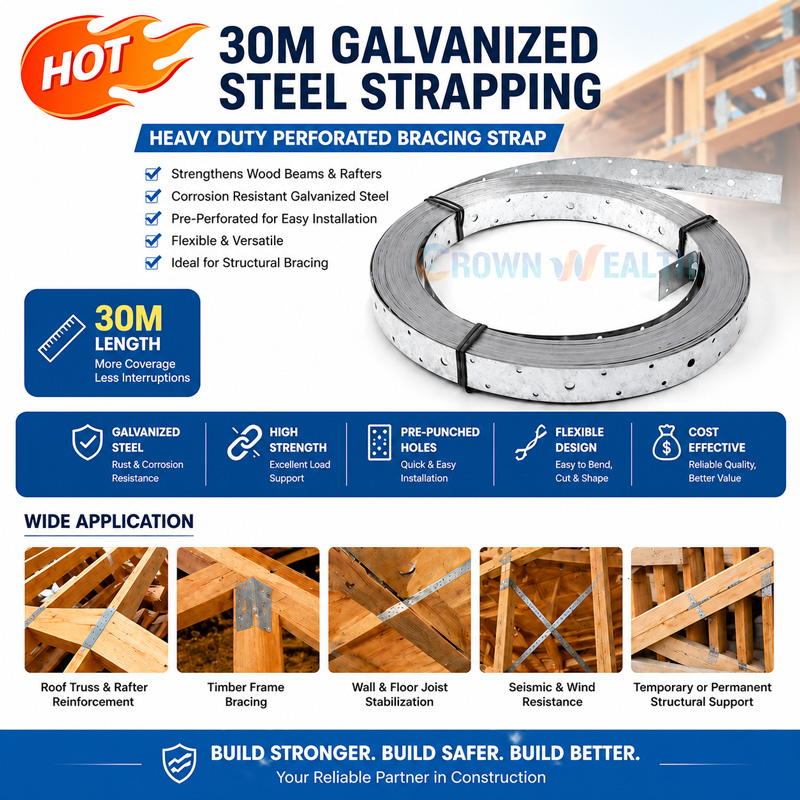
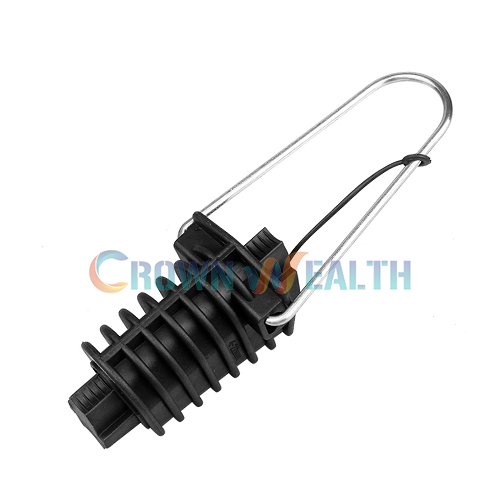
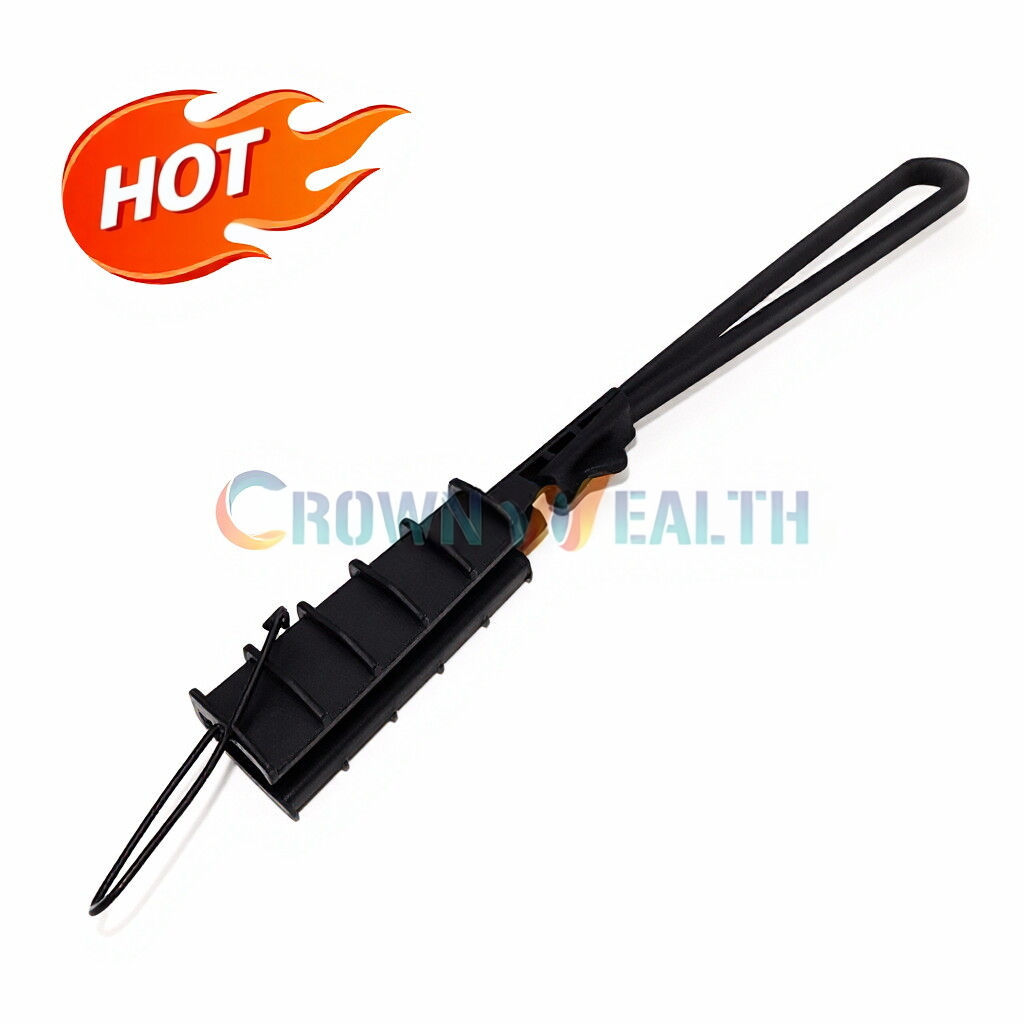
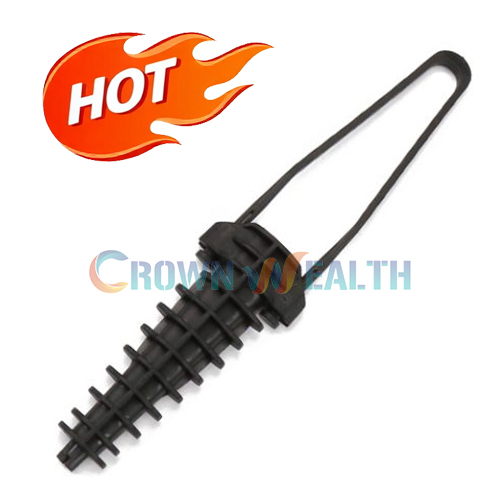
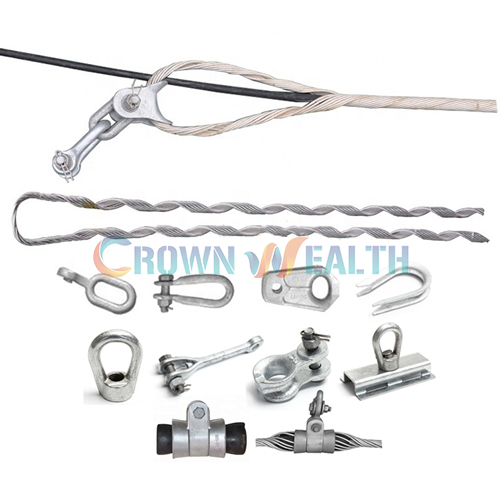
ADSS cables are designed to be self - supporting, which means they can be installed without the need for a separate messenger wire. They are made of dielectric materials, making them suitable for use in high - voltage environments where electrical conductivity could be a hazard. ADSS fittings, on the other hand, are essential components used to install, support, and protect these cables. They include items such as Fastening Fixture, ADSS Tension Clamp, and ADSS Cable Guy Grips Sets.
Factors Affecting Compatibility
Cable Diameter
One of the most critical factors in determining the compatibility of ADSS fittings with optical cables is the cable diameter. Different ADSS cables come in various diameters depending on their design, the number of fiber strands, and the intended application. Fittings must be carefully selected to match the cable diameter precisely. For example, a fastening fixture that is too large for the cable will not provide a secure hold, while one that is too small may damage the cable. Our company offers a wide range of fittings with different size specifications to ensure a perfect fit for cables of various diameters.


Tensile Strength
ADSS cables are subjected to significant tensile forces during installation and operation. The fittings used must be able to withstand these forces without causing damage to the cable. When choosing an ADSS Tension Clamp, it is crucial to consider the cable's maximum tensile strength. The clamp should be rated to handle at least the same amount of force as the cable can withstand. This ensures that the cable remains intact under normal and extreme conditions, preventing signal loss and potential safety hazards.
Environmental Conditions
The environment in which the ADSS cable is installed also plays a vital role in determining fitting compatibility. Cables installed in areas with high humidity, extreme temperatures, or strong winds require fittings that are resistant to corrosion, thermal expansion, and mechanical stress. For instance, in coastal areas where saltwater can cause corrosion, fittings made of corrosion - resistant materials such as stainless steel or special alloys are recommended. Our ADSS fittings are designed to withstand a wide range of environmental conditions, ensuring long - term reliability and performance.
Cable Design and Construction
ADSS cables can have different designs and constructions, such as loose - tube or tight - buffered designs. These differences can affect how the fittings interact with the cable. For example, a tight - buffered cable may require a different type of grip or clamp compared to a loose - tube cable. Our technical team has in - depth knowledge of various cable designs and can provide expert advice on selecting the most suitable fittings for your specific cable type.
Compatibility Testing
To ensure the highest level of compatibility between ADSS fittings and optical cables, we conduct rigorous testing procedures. These tests include mechanical tests to evaluate the fitting's ability to hold the cable under different loads, environmental tests to assess its performance in various conditions, and electrical tests to check for any interference with the cable's signal transmission. By adhering to international standards and industry best practices, we can guarantee that our fittings are safe, reliable, and fully compatible with a wide range of ADSS cables.
Choosing the Right Fittings
When selecting ADSS fittings for your optical cable installation, it is essential to consider the specific requirements of your project. Here are some steps to guide you through the process:
- Determine Cable Specifications: Know the diameter, tensile strength, and design of your ADSS cable. This information can usually be found in the cable manufacturer's documentation.
- Assess Environmental Conditions: Consider the location of the installation, including factors such as temperature, humidity, and wind speed.
- Consult with Experts: Our team of experienced professionals is available to provide personalized advice based on your project needs. We can help you select the most appropriate fittings and ensure a successful installation.
Conclusion
The compatibility of ADSS fittings with different optical cables is a complex but crucial aspect of fiber - optic communication systems. By considering factors such as cable diameter, tensile strength, environmental conditions, and cable design, and by conducting thorough testing, we can ensure that our ADSS fittings provide a secure, reliable, and long - lasting connection for your optical cables.
If you are in need of high - quality ADSS fittings that are fully compatible with your optical cables, we invite you to contact us for a detailed discussion. Our goal is to provide you with the best solutions for your fiber - optic installation needs. Whether you are working on a small - scale project or a large - scale infrastructure development, we have the expertise and products to meet your requirements. Let's work together to build a better - connected world.
References
- ITU - T Recommendations for optical fiber cables
- IEEE Standards for electrical and optical fiber installations
- Manufacturer's documentation for ADSS cables and fittings