Can Armor Rods be used in underground applications?
Hey there! I'm a supplier of armor rods, and I often get asked whether these nifty little things can be used underground. Well, let's dive right into it and explore this topic.
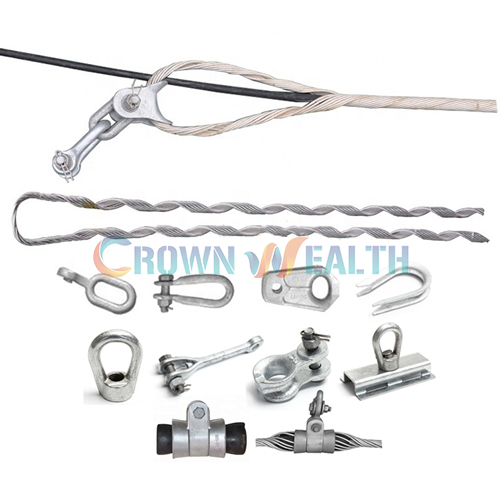
First off, let's understand what armor rods are. Armor rods are pre - formed helical wires that are used to protect cables and conductors. They're typically made of materials like aluminum alloy or steel, and their main job is to prevent damage from mechanical stress, abrasion, and environmental factors.
In overhead applications, armor rods are a no - brainer. They're commonly used on power lines, telephone lines, and other overhead cables. They wrap around the conductor, providing a buffer between the cable and external forces such as wind, ice, and vibrations. But when it comes to underground applications, things get a bit more complicated.
Factors to Consider for Underground Use
1. Environmental Conditions
Underground, the environment is quite different from overhead. There's soil, which can be abrasive, and depending on the location, it might be acidic, alkaline, or have high moisture content. Armor rods made of steel, for example, can corrode if they're exposed to a corrosive soil environment. However, if the armor rods are made of a corrosion - resistant material like aluminum alloy, they can withstand these conditions better.
Some of our Hot Dip Galvanized Dampers are also designed to resist corrosion, and while they're not armor rods, they give you an idea of the kind of protective measures we take in dealing with harsh environments.
2. Installation Challenges
Installing armor rods underground is a whole different ballgame compared to overhead installation. In overhead applications, you can easily access the cable and wrap the armor rods around it. But underground, you might need to dig trenches, and the space can be limited. This makes the installation process more time - consuming and labor - intensive.
However, if the cable is already in a conduit, the installation becomes a bit easier. You can insert the cable with the pre - installed armor rods into the conduit. But you have to make sure the armor rods are properly sized to fit inside the conduit without causing any blockages.
3. Mechanical Protection
One of the main reasons for using armor rods is to provide mechanical protection. Underground, cables are at risk of being damaged by construction activities, such as digging, or by the movement of soil. Armor rods can help distribute the stress evenly along the cable, reducing the risk of damage.
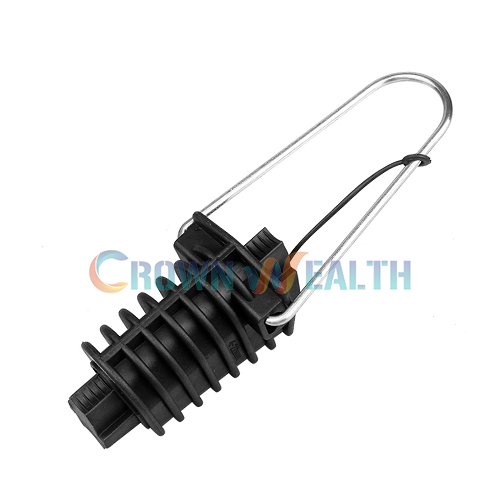
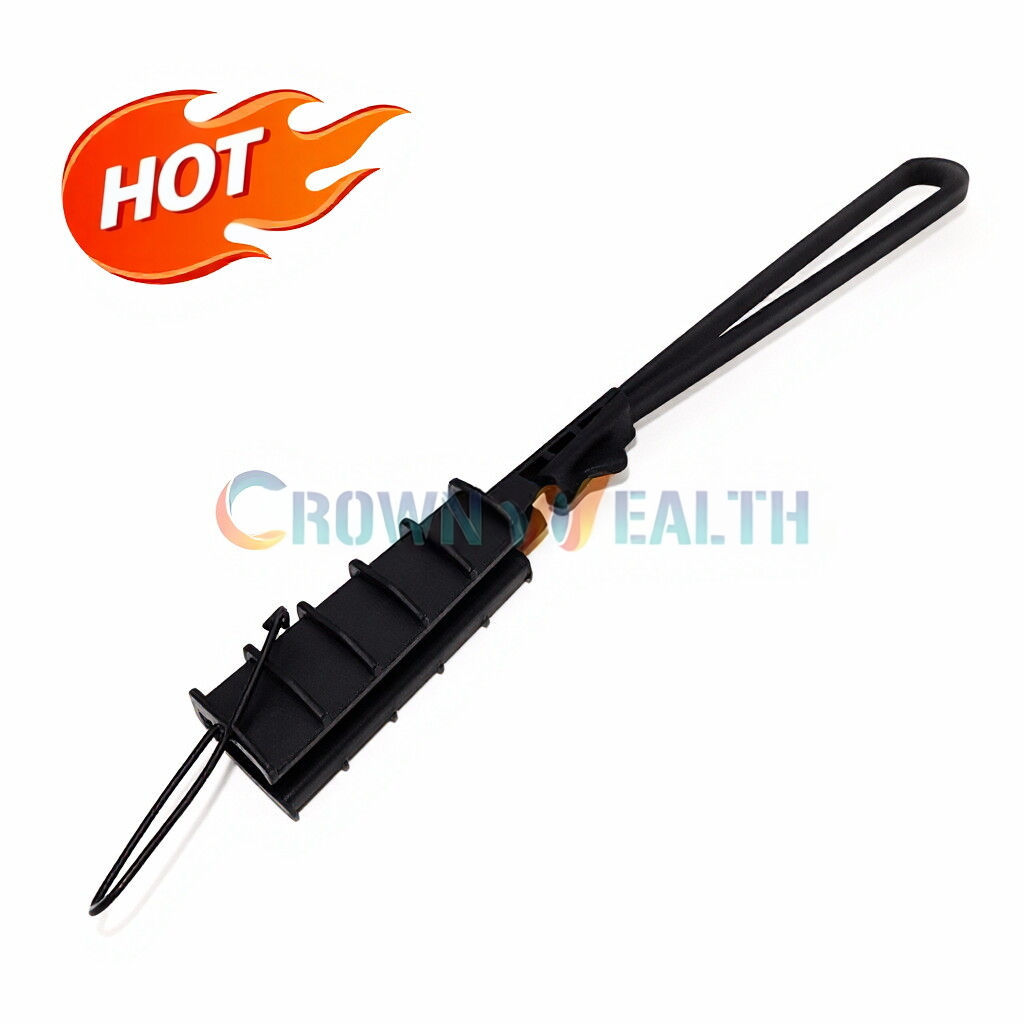
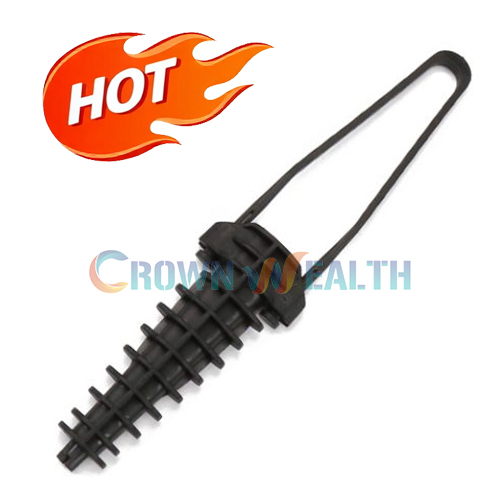
For example, if there's a sudden movement of soil due to an earthquake or heavy rain, the armor rods can absorb some of the shock and prevent the cable from breaking. Our Overhead Line Accessories Preformed Dead End Clamp Guy Grip for Cable also serves to protect cables, although it's mainly for overhead use, it shows our commitment to cable protection.
4. Cost - effectiveness
When considering using armor rods underground, cost is a big factor. The materials, installation, and maintenance costs all add up. You have to weigh the cost of using armor rods against the potential cost of cable damage and repair.
In some cases, if the cable is in a relatively stable underground environment with low risk of damage, the cost of installing armor rods might not be worth it. But if the cable is in a high - risk area, such as near a construction site or in a region with unstable soil, the investment in armor rods can save you a lot of money in the long run.
Case Studies
Let's look at a few case studies to see how armor rods have fared in underground applications.
In a city's water supply project, underground power cables were used to operate the pumping stations. The area had a history of soil movement due to heavy rainfall. The power company decided to install armor rods on the cables to protect them from damage. Over a period of five years, there were significantly fewer cable failures compared to other areas where armor rods were not used. This shows that in high - risk underground environments, armor rods can be very effective.
On the other hand, in a residential area where the underground cables were in a well - maintained conduit system and there was little risk of external damage, the installation of armor rods was considered unnecessary. The cost of installation was seen as an over - investment, and the cables were performing well without the added protection.


When Armor Rods are a Good Fit for Underground Use
- High - risk Areas: As mentioned earlier, if the cable is in an area with a high risk of mechanical damage, such as near construction sites, mines, or areas prone to soil movement, armor rods can be a great addition.
- Corrosive Environments: If the soil has a high moisture content or is corrosive, using corrosion - resistant armor rods can protect the cable from corrosion and extend its lifespan.
- Long - term Projects: For long - term underground cable projects, the initial investment in armor rods can pay off in the long run by reducing the need for frequent cable repairs and replacements.
Our Range of Armor Rods for Underground Applications
We offer a wide range of armor rods that are suitable for underground use. Our aluminum alloy armor rods are lightweight, corrosion - resistant, and easy to install. They can be customized to fit different cable sizes and specifications.
We also have Preformed Dead End Guy Grips which, although mainly used for overhead applications, show our expertise in pre - formed cable accessories. Our team of experts can help you choose the right armor rods for your specific underground application.
Conclusion
So, can armor rods be used in underground applications? The answer is yes, but it depends on several factors. You need to consider the environmental conditions, installation challenges, cost - effectiveness, and the level of protection required.
If you're in the process of planning an underground cable project and are wondering whether armor rods are right for you, don't hesitate to get in touch. Our team is always ready to have a chat, understand your needs, and provide you with the best solutions. Whether it's technical advice or a quote for our armor rods, we're here to help. Let's work together to ensure your underground cable system is well - protected and reliable.
References
- Electrical Cable Installation Handbook
- Journal of Underground Cable Engineering