Hey there! I'm a supplier of OPGW cable storage. And today, I wanna have a chat with you about whether OPGW cable can be stored in a basement.
First off, let's quickly understand what OPGW cable is. OPGW, or Optical Ground Wire, is a special kind of cable that combines the functions of a ground wire and an optical fiber cable. It's widely used in power transmission lines for both electrical grounding and data communication. Now, back to the big question: can it be stored in a basement?
Advantages of Basement Storage
There are a few reasons why storing OPGW cable in a basement might seem like a good idea.
Temperature Stability: Basements usually have a more stable temperature compared to the outside environment. Extreme temperatures can have a negative impact on the performance and lifespan of OPGW cables. High temperatures can cause the cable sheath to expand, potentially leading to damage to the internal optical fibers. On the other hand, very low temperatures can make the cable more brittle and prone to cracking. A basement, being underground, tends to maintain a relatively constant temperature, which can help protect the cable from these temperature - related issues.
Protection from Sunlight: Sunlight contains ultraviolet (UV) rays that can degrade the outer sheath of the OPGW cable over time. When the cable is stored in a basement, it's shielded from direct sunlight, reducing the risk of UV - induced damage. This is crucial because a damaged sheath can expose the internal components of the cable to moisture and other environmental factors, which can ultimately affect the cable's performance.
Security: Basements can offer a certain level of security. They are often enclosed spaces that can be locked, reducing the risk of theft or vandalism. This is important, especially if you have a large quantity of expensive OPGW cable in storage.
Disadvantages of Basement Storage
However, there are also some significant drawbacks to storing OPGW cable in a basement.
Moisture and Humidity: Basements are notorious for being damp. High levels of moisture and humidity can be extremely harmful to OPGW cables. Moisture can seep into the cable, causing corrosion of the metal components (such as the armor or the conductors) and damage to the optical fibers. Corrosion can weaken the cable's structure, leading to potential failures in the power transmission and communication systems. Moreover, water can cause micro - bending in the optical fibers, which can increase signal loss and degrade the overall performance of the cable.
Lack of Ventilation: Many basements have poor ventilation. Without proper air circulation, any moisture that accumulates in the basement will not be able to escape. This can create a stagnant environment where mold and mildew can grow. Mold can not only damage the cable sheath but also pose a health risk to anyone who enters the basement. In addition, poor ventilation can also lead to the build - up of harmful gases, which may react with the cable materials and cause damage.
Pest Infestation: Basements can be a haven for pests such as rodents and insects. Rodents have a tendency to chew on cables, which can completely destroy the OPGW cable. Insects can also cause damage by building nests inside the cable or by introducing moisture and debris into the cable structure.
Mitigating the Risks
If you still decide to store OPGW cable in a basement, there are some steps you can take to mitigate the risks.
Dehumidification: Install a dehumidifier in the basement to keep the moisture levels in check. A dehumidifier can remove excess moisture from the air, reducing the risk of corrosion and other moisture - related problems. Make sure to regularly empty the water collection tank to ensure the dehumidifier functions properly.
Ventilation System: Set up a proper ventilation system in the basement. This can be as simple as installing a few fans or as complex as a full - fledged air - exchange system. Good ventilation will help remove moisture, prevent the build - up of harmful gases, and keep the air fresh.
Pest Control: Implement a pest control program. This can include sealing any holes or cracks in the basement walls and floors to prevent pests from entering. You can also use traps or pesticides (in a safe and controlled manner) to keep rodent and insect populations under control.
Related Products for OPGW Installation
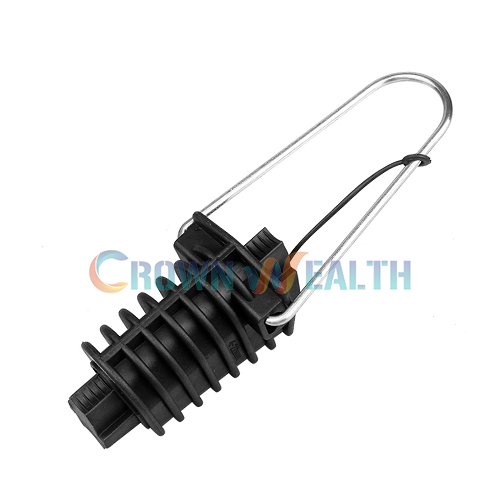
When it comes to OPGW cable, it's not just about storage. You also need the right fittings for installation. Some of the essential fittings include the OPGW Performed Suspension Clamp, which is used to suspend the OPGW cable on the transmission towers. The Tension Clamp for Overhead Line is crucial for applying the right amount of tension to the cable, ensuring its proper installation and performance. And the Double Suspension Clamp for OPGW provides additional support and stability for the cable.
Conclusion
So, can OPGW cable be stored in a basement? The answer is yes, but with caution. While basements offer some advantages in terms of temperature stability and protection from sunlight, the issues of moisture, ventilation, and pest infestation need to be carefully addressed. If you're willing to take the necessary precautions, basement storage can be a viable option for your OPGW cable.


If you're in the market for OPGW cable storage solutions or any of the related fittings, I'd love to have a chat with you. Feel free to reach out and let's discuss your specific needs. We can work together to find the best storage and installation options for your project.
References
- "Optical Ground Wire (OPGW) Handbook" by industry experts
- Research papers on cable storage conditions and their impact on cable performance