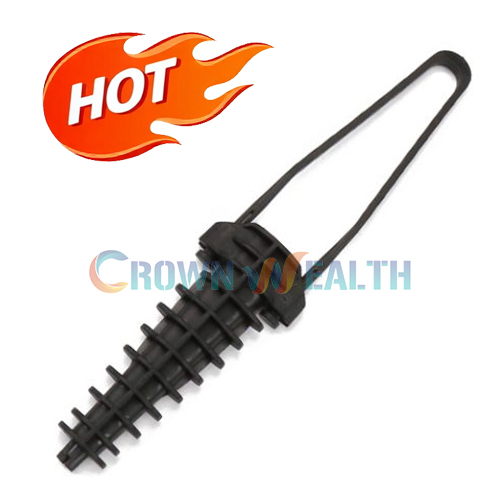
Hey there! I'm a supplier of ADSS Fastening Clamps, and I've been getting a lot of questions lately about whether our clamps can be used in polar regions. So, I thought I'd write this blog post to share some insights on this topic.
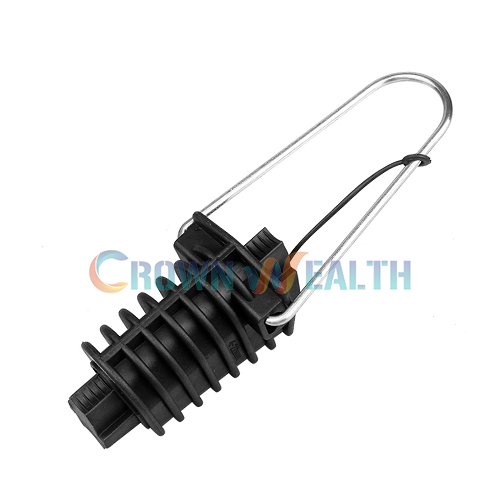
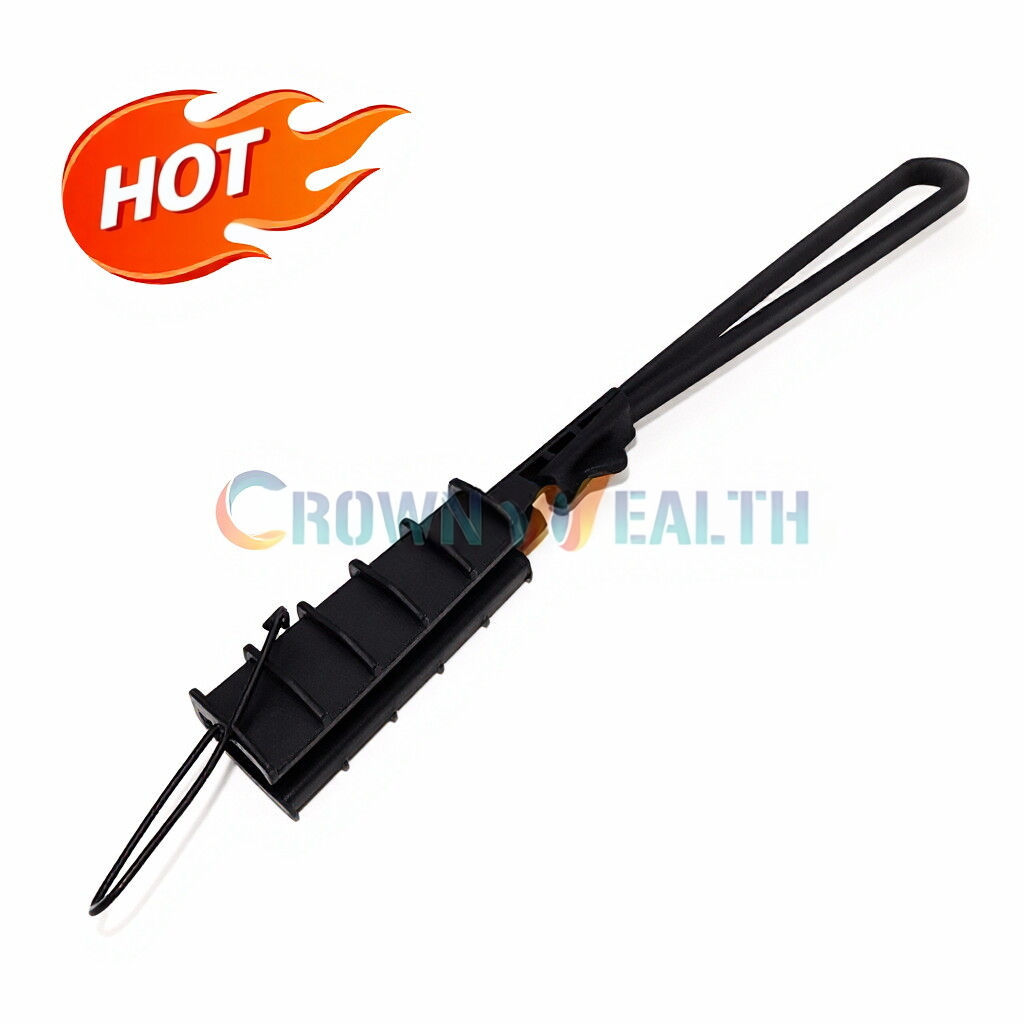
First off, let's talk about what ADSS Fastening Clamps are. These clamps are used to secure All - Dielectric Self - Supporting (ADSS) cables, which are widely used in overhead fiber optic networks. They play a crucial role in keeping the cables in place, ensuring the stability and reliability of the entire network.
Now, the polar regions are a whole different ballgame. The environment there is extremely harsh, with freezing temperatures, strong winds, heavy snowfall, and high levels of UV radiation. All these factors can have a significant impact on the performance and durability of any equipment used in these areas.
Temperature Considerations
One of the most obvious challenges in the polar regions is the cold. Temperatures can drop to extremely low levels, sometimes well below - 40°C. At such low temperatures, the materials of the ADSS Fastening Clamps need to be able to withstand the cold without becoming brittle or losing their mechanical properties.
Most of our ADSS Fastening Clamps are made from high - quality polymers and metals that are designed to have good low - temperature performance. For example, the polymers we use have a low glass transition temperature, which means they remain flexible even in cold conditions. The metals are also carefully selected for their cold - resistance properties, ensuring that they don't crack or deform under stress at low temperatures.
However, it's important to note that continuous exposure to extreme cold can still have a long - term impact on the clamps. We recommend regular inspections to check for any signs of wear or damage. If necessary, the clamps can be replaced to maintain the integrity of the cable installation.
Wind and Snow Loads
The polar regions are known for their strong winds and heavy snowfall. These weather conditions can put a lot of stress on the ADSS cables and the fastening clamps. Strong winds can cause the cables to sway, and the clamps need to be able to hold the cables firmly in place to prevent them from being dislodged.
Our ADSS Fastening Clamps are designed to have high clamping forces. They are engineered to grip the cables tightly, even under high - wind conditions. The shape and structure of the clamps are optimized to distribute the load evenly along the cable, reducing the risk of damage to the cable and the clamp itself.
Heavy snowfall can also add a significant amount of weight to the cables. The clamps need to be able to support this additional load without failing. We've conducted extensive testing to ensure that our clamps can handle the snow loads typically encountered in the polar regions.


UV Radiation
Another factor to consider is the high level of UV radiation in the polar regions. The ozone layer is thinner in these areas, which means that the equipment is exposed to more UV rays. UV radiation can cause the materials of the clamps to degrade over time, leading to a loss of strength and durability.
To combat this, our ADSS Fastening Clamps are treated with UV - resistant coatings. These coatings help to protect the underlying materials from the harmful effects of UV radiation. This extends the lifespan of the clamps and ensures that they can continue to perform effectively in the polar environment.
Compatibility with Other Equipment
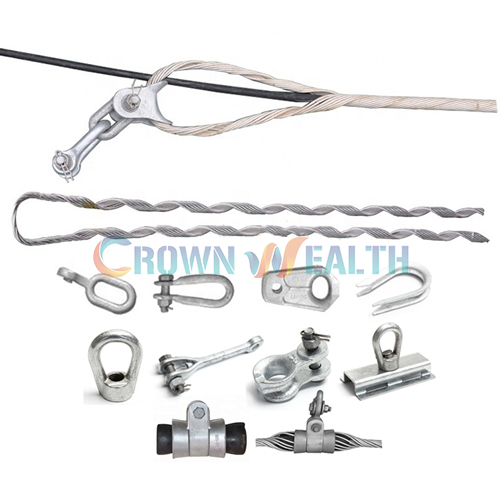
When using ADSS Fastening Clamps in the polar regions, it's also important to consider their compatibility with other equipment in the network. For example, they need to work well with ADSS Cable Storage Bracket. These brackets are used to store and manage the excess length of the ADSS cables, and they need to be able to work in harmony with the fastening clamps.
Similarly, Preformed Tension Clamp and PreformedTension Clamp for Short Span ADSS are often used in ADSS cable installations. Our ADSS Fastening Clamps are designed to be compatible with these types of clamps, ensuring a seamless and reliable network installation.
Installation and Maintenance
Proper installation and maintenance are key to the successful use of ADSS Fastening Clamps in the polar regions. During installation, it's important to follow the manufacturer's instructions carefully. The clamps need to be installed at the correct torque to ensure that they provide the right amount of clamping force.
In terms of maintenance, regular inspections are essential. As mentioned earlier, the harsh polar environment can take a toll on the clamps over time. Inspections should include checking for signs of wear, damage, or corrosion. Any issues should be addressed promptly to prevent further problems.
Conclusion
So, can ADSS Fastening Clamps be used in polar regions? The answer is yes, but with some considerations. Our clamps are designed to withstand the harsh conditions of the polar environment, including low temperatures, strong winds, heavy snowfall, and high UV radiation. However, proper installation, regular maintenance, and compatibility with other equipment are all important factors to ensure their long - term performance.
If you're planning an ADSS cable installation in the polar regions and are interested in our ADSS Fastening Clamps, feel free to reach out to us for more information. We're here to help you make the right choice for your project and ensure a successful installation. Let's work together to build a reliable fiber optic network in even the most challenging environments!
References
- Manufacturer's specifications of ADSS Fastening Clamps
- Research on the impact of extreme cold on polymer and metal materials
- Studies on wind and snow loads in polar regions