Hey there! As a supplier of OPGW cable storage solutions, I often get asked about the best storage position for OPGW cables. It's a crucial question because proper storage can significantly extend the lifespan and maintain the performance of these cables. So, let's dive right into it.
Why the Storage Position Matters
OPGW (Optical Ground Wire) cables are not your ordinary cables. They're used in power transmission lines, combining the functions of grounding and optical communication. These cables are exposed to all sorts of environmental conditions out in the field, so how we store them before installation can make a big difference.
The wrong storage position can lead to issues like cable deformation, damage to the optical fibers inside, and even corrosion. For instance, if the cable is stored in a way that puts excessive pressure on one side, it can cause the fibers to break or bend, which will affect the signal transmission quality.
Recommended Storage Positions
Horizontal Storage
One of the most recommended ways to store OPGW cables is horizontally. When the cable is laid flat on a stable surface, it distributes the weight evenly along its length. This reduces the risk of internal stress on the cable structure.
You can use wooden pallets or racks designed for cable storage. Make sure the surface is clean and free of any sharp objects that could puncture the cable jacket. Also, it's a good idea to place some padding between the cable and the storage surface to provide extra protection.
Horizontal storage is especially useful for long - term storage. It allows the cable to relax and minimizes the chances of kinking or twisting. And if you need to access the cable later, it's easier to handle and unroll when it's been stored horizontally.
Vertical Storage
Vertical storage can also be an option, but it comes with some caveats. If you choose to store the cable vertically, it should be on a proper cable reel. The reel needs to be in good condition, with no signs of damage or warping.
When the cable is on a reel and stored vertically, it should be placed on a stable base to prevent it from tipping over. You also need to ensure that the reel is properly secured so that the cable doesn't unwind accidentally.
However, vertical storage for an extended period can cause the cable to sag under its own weight, especially if the reel is not designed to handle the load properly. So, it's best to use vertical storage for short - term or temporary situations.
Environmental Considerations
The storage position is not the only thing to consider. The environment where the cables are stored also plays a vital role.
Temperature and Humidity
OPGW cables should be stored in a place with a stable temperature and humidity level. Extreme temperatures can cause the cable materials to expand or contract, which can lead to internal damage. High humidity can promote corrosion, especially on the metal components of the cable.
A temperature range of around 20 - 25°C (68 - 77°F) and a relative humidity of 40 - 60% are ideal for cable storage. If possible, use a climate - controlled storage facility to maintain these conditions.
Protection from Sunlight and Moisture
Direct sunlight can damage the cable jacket over time, making it brittle and more prone to cracking. So, the storage area should be shaded or indoors.
Moisture is another enemy of OPGW cables. Water can seep into the cable and cause corrosion of the metal parts and damage to the optical fibers. Make sure the storage area is dry and well - ventilated. If there's a risk of water intrusion, you can use waterproof covers or enclosures.


Additional Storage Tips
Inspection
Before storing the OPGW cable, it's important to inspect it for any signs of damage. Check the cable jacket for cuts, abrasions, or other visible defects. Also, test the optical fibers to ensure they're functioning properly.
Regular inspections during storage are also necessary. Look for any signs of wear and tear, such as changes in the cable color or the appearance of rust on the metal parts. If you notice any issues, take appropriate action immediately.
Compatibility with Accessories
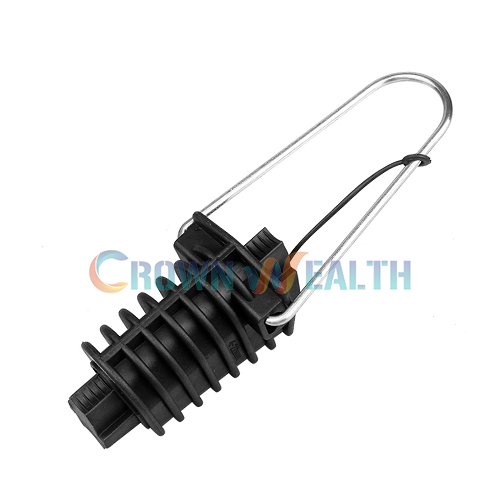
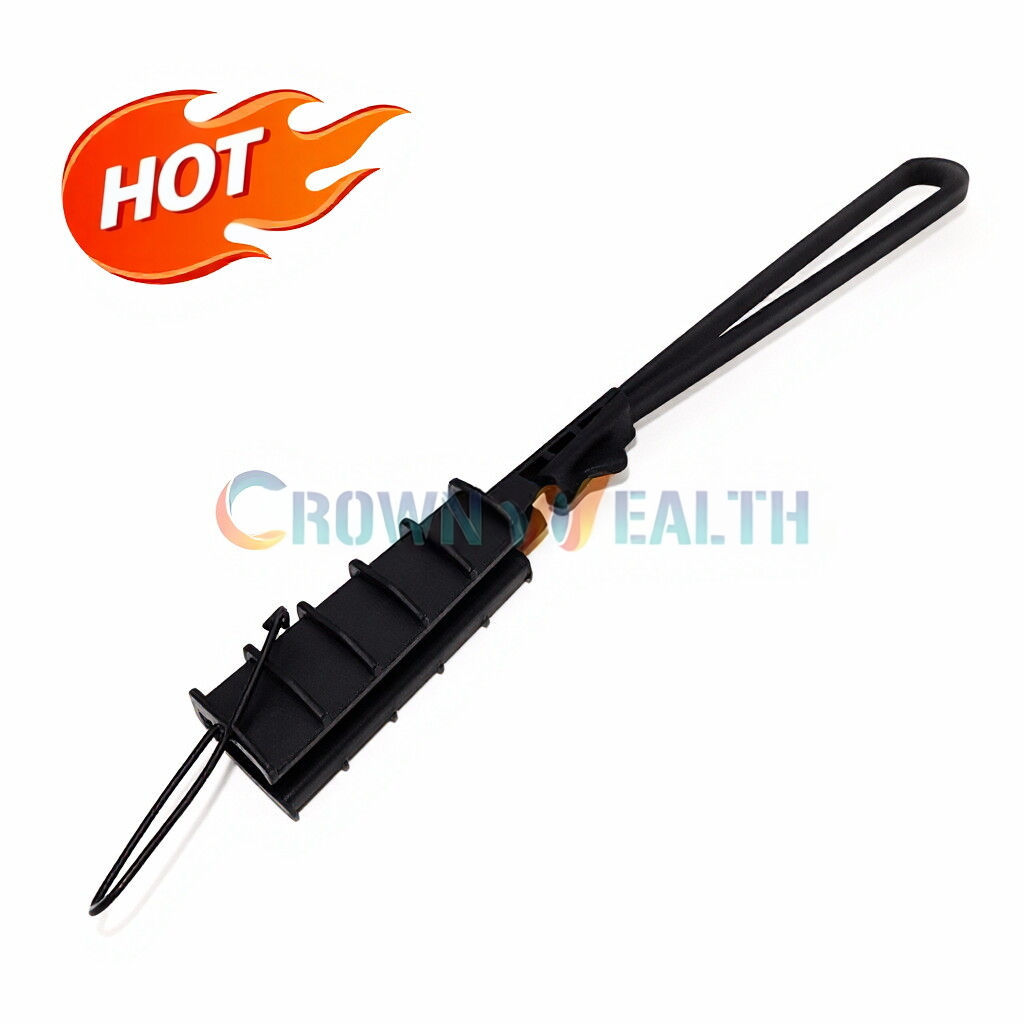
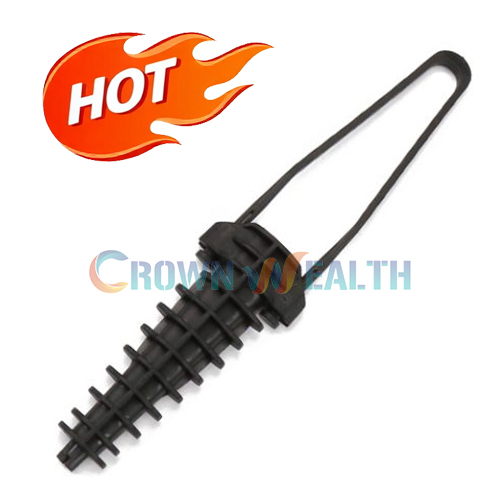
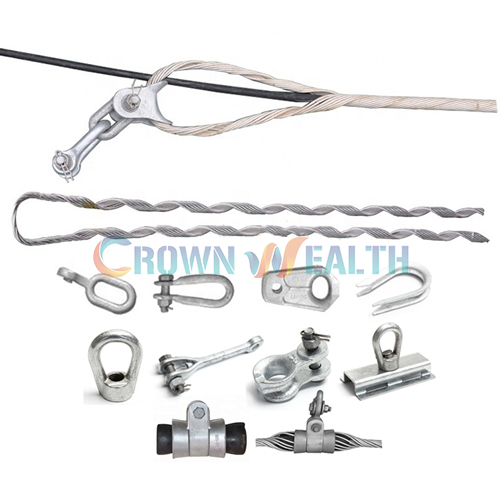
When storing OPGW cables, you might also have related accessories like OPGW Preformed Tension Clamp, Aluminum Alloy Joint Box, and OPGW Performed Suspension Clamp. Make sure these accessories are stored in a way that they don't come into contact with the cable in a way that could cause damage.
For example, the clamps should be stored separately in a dry place, and the joint boxes should be protected from dust and moisture.
Conclusion
Proper storage of OPGW cables is essential for maintaining their quality and performance. Whether you choose horizontal or vertical storage, make sure to consider the environmental factors and follow the best practices.
If you're in the market for high - quality OPGW cable storage solutions or need more advice on cable storage, don't hesitate to reach out. We're here to help you ensure that your OPGW cables are stored in the best possible way. Contact us for more information and to start a procurement discussion.
References
- "Fiber Optic Cable Installation and Maintenance Guide", Industry Standards Publication
- "Best Practices for Power Cable Storage", Power Transmission Research Institute