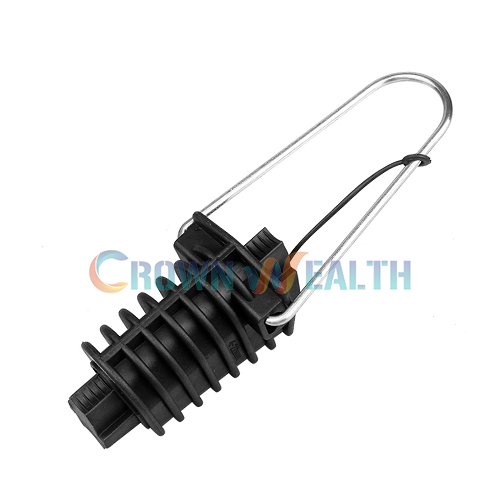
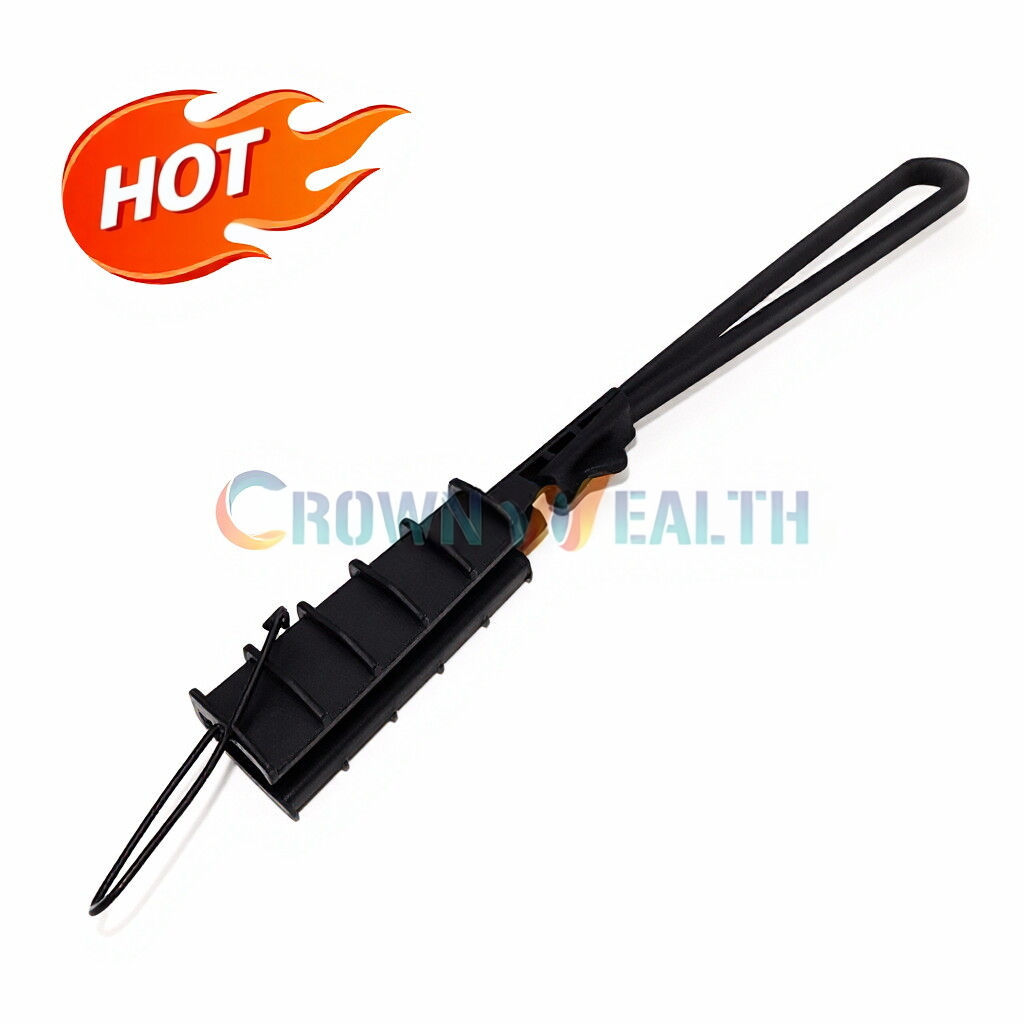
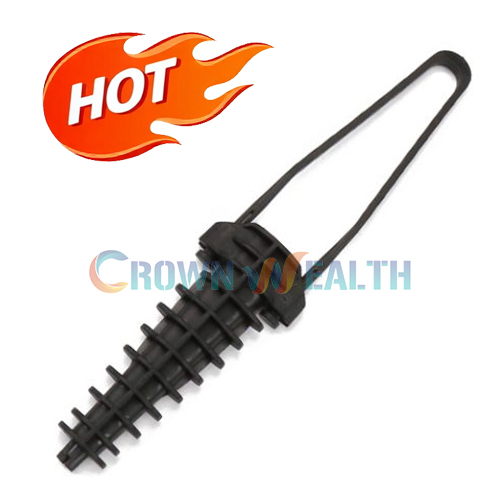
When it comes to the installation of an ADSS (All-Dielectric Self-Supporting) Down Lead Clamp, safety is of paramount importance. As a reliable ADSS Down Lead Clamp supplier, I understand the critical role that safety plays in every installation process. In this blog, I will share some essential tips and guidelines on how to ensure safety during the installation of an ADSS Down Lead Clamp.
Pre - installation Safety Precautions
1. Training and Certification
Before any installation work begins, it is crucial to ensure that all the installation personnel are properly trained and certified. ADSS cable installation involves working at heights, handling electrical equipment, and dealing with fiber - optic cables. Workers should have a comprehensive understanding of the installation process, safety procedures, and the use of personal protective equipment (PPE). They should be trained on how to use tools such as ladders, hoists, and cable pulling equipment safely.


2. Site Assessment
Conduct a thorough site assessment before starting the installation. Identify potential hazards such as nearby power lines, unstable ground, or adverse weather conditions. Check the structural integrity of the poles or towers where the ADSS Down Lead Clamp will be installed. Ensure that there is enough space for the installation work and that the area is clear of any obstacles.
3. Equipment Inspection
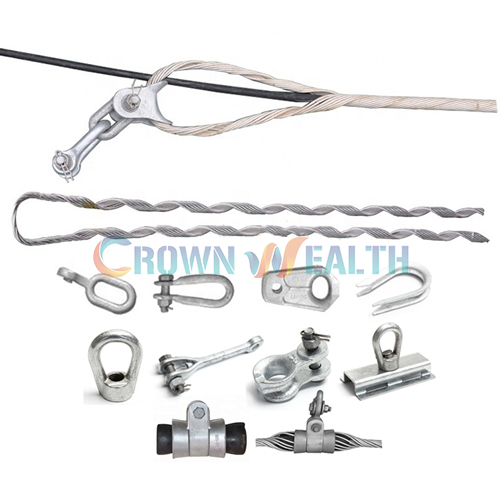
Inspect all the equipment and tools that will be used during the installation. This includes the ADSS Down Lead Clamp itself, as well as other accessories like Performed Suspension Clamp, Preformed Double Suspension Clamp, and ADSS Cable Storage Bracket. Look for any signs of damage, wear, or corrosion. Replace any defective equipment immediately.
Safety During Installation
1. Personal Protective Equipment (PPE)
All installation personnel must wear appropriate PPE at all times. This includes hard hats to protect against falling objects, safety glasses to prevent eye injuries, gloves to protect hands from cuts and abrasions, and safety harnesses when working at heights. Ensure that the PPE is in good condition and properly fitted.
2. Handling the ADSS Cable
When handling the ADSS cable, be careful not to bend or kink it. Excessive bending can cause damage to the fiber - optic strands inside the cable, leading to signal loss. Use cable pulling grips and rollers to ensure smooth and gentle handling of the cable. Avoid pulling the cable too tightly, as this can also cause damage.
3. Installation of the ADSS Down Lead Clamp
Follow the manufacturer's instructions carefully when installing the ADSS Down Lead Clamp. Make sure that the clamp is properly aligned and tightened. Use the correct torque values to ensure a secure fit. Do not over - tighten the clamp, as this can damage the cable. During the installation, use proper lifting techniques when handling heavy equipment or the ADSS cable.
4. Electrical Safety
Even though ADSS cables are non - conductive, there may be nearby power lines or electrical equipment. Maintain a safe distance from power lines at all times. If the installation is near an electrical source, ensure that all electrical connections are properly insulated and grounded. Do not touch any electrical equipment without proper authorization.
5. Weather Conditions
Avoid installing the ADSS Down Lead Clamp during adverse weather conditions such as high winds, rain, or lightning. These conditions can increase the risk of accidents and damage to the equipment. If the weather changes during the installation, stop the work immediately and take appropriate shelter.
Post - installation Safety Checks
1. Inspection of the Installation
After the installation is complete, conduct a thorough inspection of the ADSS Down Lead Clamp and the entire installation. Check that the clamp is still securely fastened, and there are no signs of damage or loosening. Inspect the cable for any signs of stress or damage.
2. Testing
Perform a series of tests on the ADSS cable to ensure its proper functioning. This includes optical time - domain reflectometer (OTDR) testing to check for any signal attenuation or breaks in the fiber - optic cable. Make sure that all the connections are properly made and that the signal is strong and stable.
3. Clean - up
Clean up the installation site after the work is done. Remove all the tools, equipment, and debris from the area. Properly store any unused materials for future use. This helps to prevent accidents and maintain a safe working environment.
Importance of Safety in ADSS Down Lead Clamp Installation
Safety is not only important for the well - being of the installation personnel but also for the long - term performance of the ADSS cable system. A properly installed ADSS Down Lead Clamp ensures the stability and reliability of the cable, reducing the risk of signal loss and downtime. By following the safety guidelines, we can avoid costly repairs and replacements in the future.
Contact for Purchase and Consultation
If you are in need of high - quality ADSS Down Lead Clamps or other related fiber - optic cable fittings, I am here to help. As a professional supplier, I can provide you with the best products and solutions for your projects. Whether you have questions about the installation process, product specifications, or need advice on safety measures, feel free to reach out. I am committed to providing excellent customer service and ensuring that your fiber - optic projects are a success.
References
- Manufacturer's installation manuals for ADSS Down Lead Clamps, Performed Suspension Clamps, Preformed Double Suspension Clamps, and ADSS Cable Storage Brackets.
- Occupational Safety and Health Administration (OSHA) guidelines for working at heights and handling electrical equipment.
- Industry standards for fiber - optic cable installation and testing.