Hey there! As a supplier of Aluminum Joint Boxes, I often get asked about the electromagnetic shielding performance of these nifty little boxes. So, I thought I'd take a few minutes to break it down for you.
First off, let's talk about what electromagnetic shielding is all about. In simple terms, electromagnetic shielding is the process of reducing the electromagnetic field in a space by blocking the passage of electromagnetic waves. This is super important in a lot of applications, especially those where sensitive electronic equipment is involved. For example, in telecommunications, power distribution, and even in some consumer electronics, you need to protect your gear from electromagnetic interference (EMI) and radio frequency interference (RFI).
Now, let's get into why aluminum is such a great material for joint boxes when it comes to electromagnetic shielding. Aluminum is a highly conductive metal. When an electromagnetic wave hits an aluminum surface, it induces an electric current in the metal. This current then creates its own magnetic field that opposes the original magnetic field of the incoming wave. This opposition effectively cancels out a significant portion of the electromagnetic wave, preventing it from passing through the aluminum and reaching the inside of the joint box.
One of the key factors that determine the electromagnetic shielding performance of an aluminum joint box is its thickness. Generally speaking, the thicker the aluminum, the better the shielding. A thicker layer of aluminum can absorb and dissipate more of the electromagnetic energy, providing a higher level of protection. However, there's a balance to strike here. Making the box too thick can increase its weight and cost, so it's important to find the sweet spot based on the specific shielding requirements of your application.
Another important aspect is the integrity of the box's construction. Any gaps, seams, or holes in the aluminum joint box can allow electromagnetic waves to leak through. That's why we pay close attention to the design and manufacturing process of our boxes. We use precision welding and sealing techniques to ensure that there are no weak points in the shielding. This way, we can guarantee that our aluminum joint boxes provide reliable and consistent electromagnetic shielding performance.
The frequency of the electromagnetic waves also plays a role in the shielding effectiveness. Aluminum is generally very effective at shielding against a wide range of frequencies, from low-frequency magnetic fields to high-frequency radio waves. However, the shielding performance can vary depending on the frequency. At lower frequencies, the shielding mechanism is mainly based on the magnetic properties of the aluminum, while at higher frequencies, it's more about the electrical conductivity. Our aluminum joint boxes are designed to provide good shielding across a broad spectrum of frequencies, so you can use them in a variety of applications.
Now, you might be wondering how our aluminum joint boxes compare to other types of shielding materials. Well, there are other materials out there, like steel and copper, that can also be used for electromagnetic shielding. Steel has good magnetic shielding properties, but it's heavier and more prone to corrosion than aluminum. Copper is an excellent conductor and provides very high shielding effectiveness, but it's also more expensive. Aluminum offers a great balance between cost, weight, and shielding performance, making it a popular choice for many applications.
In addition to their electromagnetic shielding capabilities, our aluminum joint boxes have other great features. They are lightweight, which makes them easy to install and transport. They are also resistant to corrosion, so they can withstand harsh environmental conditions. And they come in a variety of sizes and configurations to meet your specific needs.


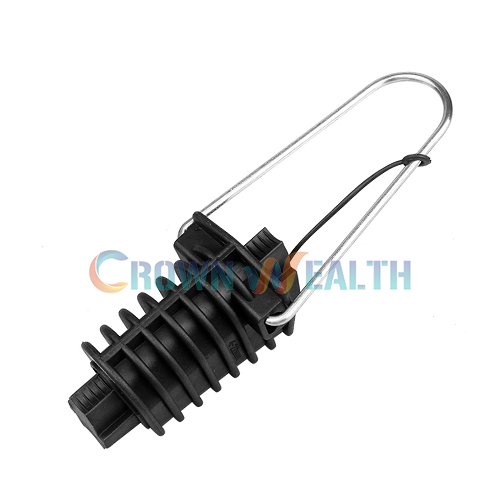
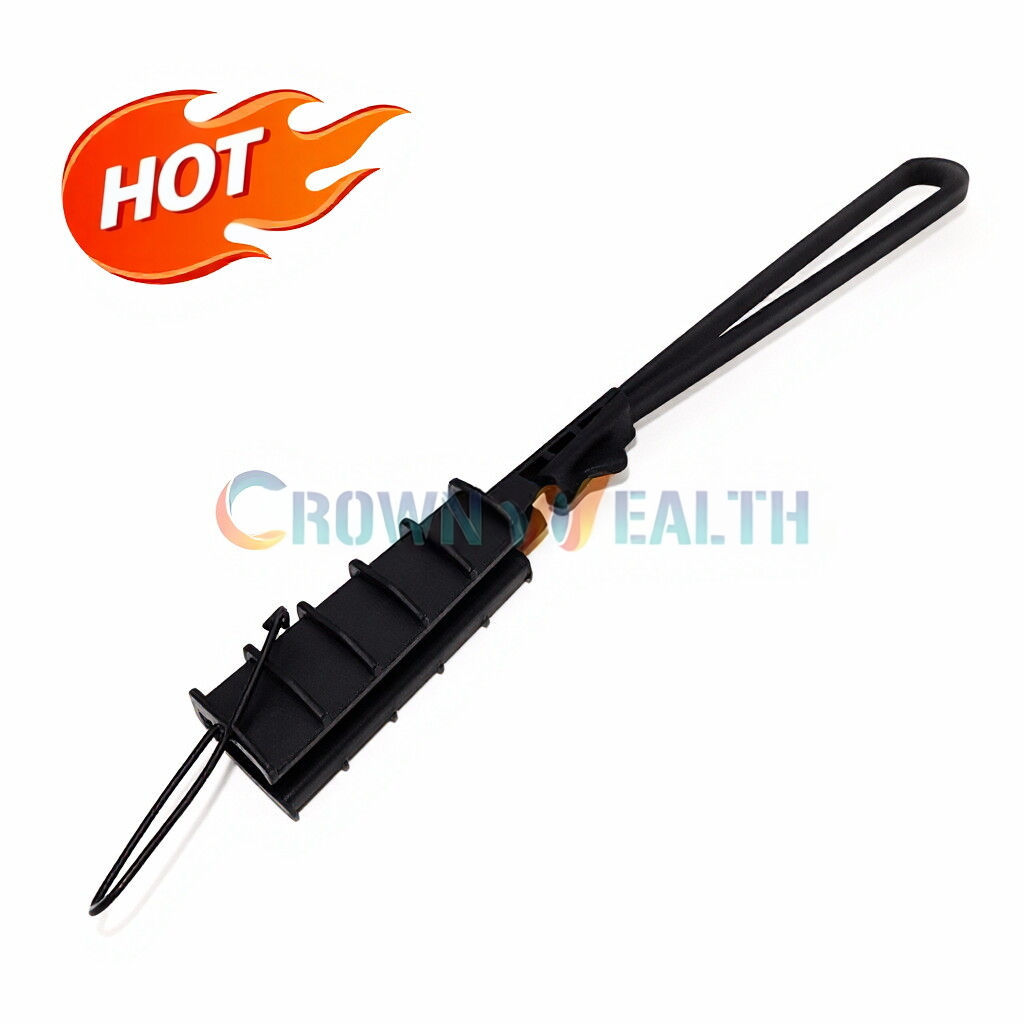
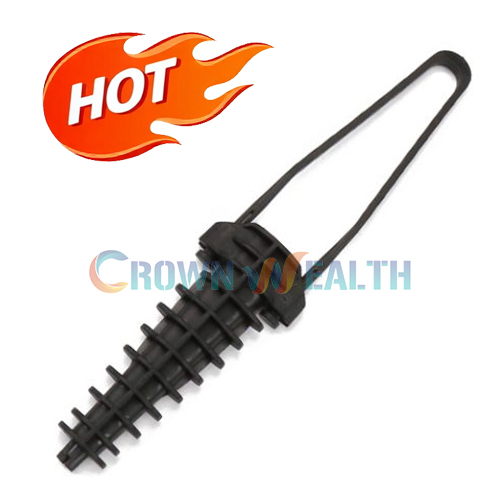
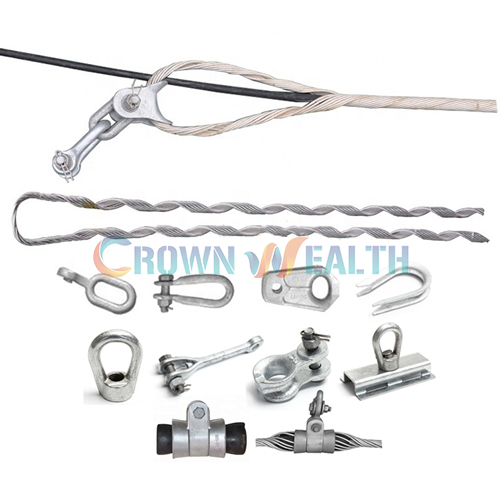
If you're in the market for OPGW fittings, we've got you covered too. Check out our OPGW Preformed Tension Clamp, OPGW Strain Clamp, and OPGW Preformed Helical Tension Clamp. These fittings are designed to work seamlessly with our aluminum joint boxes and provide reliable performance in fiber optic cable installations.
So, if you're looking for high-quality aluminum joint boxes with excellent electromagnetic shielding performance, you've come to the right place. Whether you're working on a small-scale project or a large industrial installation, we can provide you with the right solution. Don't hesitate to get in touch with us to discuss your requirements and start a procurement negotiation. We're always happy to help you find the best products for your needs.
References
- "Electromagnetic Shielding Materials and Applications" - A technical guide on electromagnetic shielding principles and materials.
- "Aluminum in Electrical and Electronic Applications" - A research paper on the properties and uses of aluminum in the electrical industry.