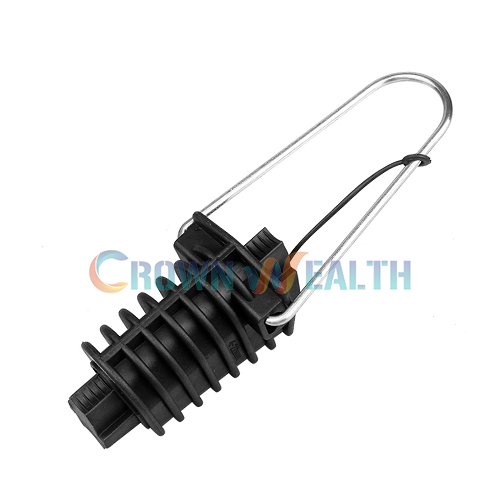
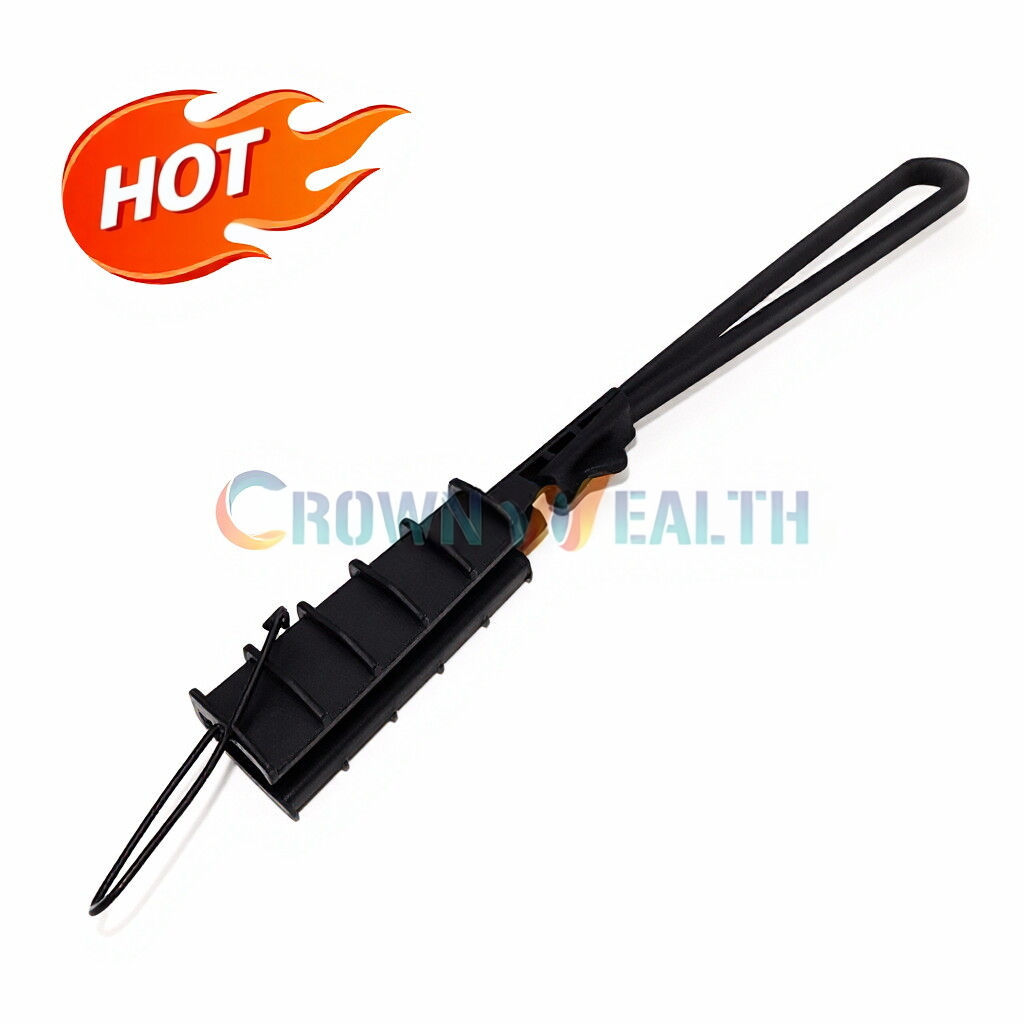
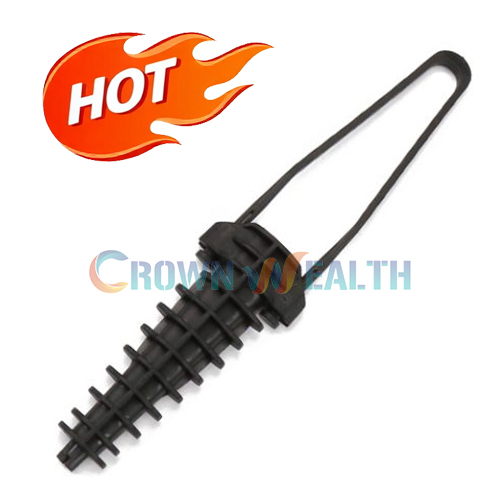
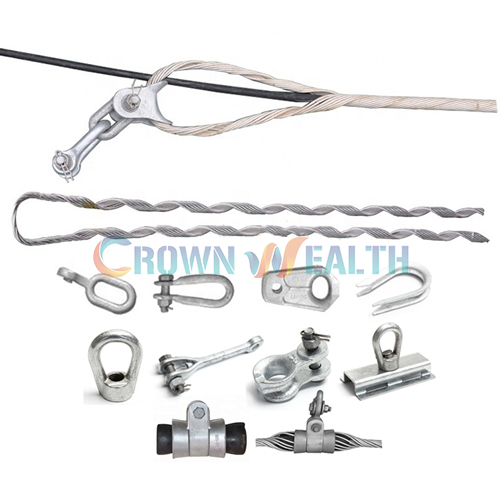
As a trusted OPGW Strain Clamp supplier, I understand the critical role that proper installation tightness plays in the performance and longevity of these essential components. In this blog post, I will share some insights on how to measure the installation tightness of OPGW Strain Clamps effectively.
Importance of Measuring Installation Tightness
OPGW (Optical Power Ground Wire) Strain Clamps are used to secure OPGW cables to transmission towers, providing mechanical support and electrical grounding. Ensuring the correct installation tightness is crucial for several reasons. Firstly, it prevents the OPGW cable from slipping or moving under various environmental conditions, such as wind, ice, and vibration. Secondly, proper tightness helps maintain the integrity of the electrical connection, reducing the risk of power outages and signal interference. Finally, it ensures the long - term reliability of the entire OPGW system, minimizing maintenance costs and downtime.
Tools Required for Measurement
Before we delve into the measurement methods, let's first look at the tools you'll need. These include:
- Torque Wrench: A torque wrench is used to measure the rotational force applied when tightening the bolts or nuts on the strain clamp. It is essential for achieving the correct torque value specified by the manufacturer.
- Tensiometer: A tensiometer measures the tension in the OPGW cable. This is important as the tension affects the overall tightness and stability of the strain clamp installation.
- Caliper: A caliper can be used to measure the dimensions of the strain clamp components, ensuring that they are within the specified tolerances.
Measurement Methods
Torque Measurement
Torque measurement is one of the most common ways to ensure proper installation tightness. Each OPGW Strain Clamp has a recommended torque value provided by the manufacturer. This value is based on the design of the clamp, the material of the bolts, and the expected load conditions.
To measure the torque, follow these steps:
- Select the appropriate torque wrench for the size of the bolts or nuts on the strain clamp.
- Set the torque wrench to the recommended value specified by the manufacturer.
- Place the torque wrench on the bolt or nut and slowly apply force until the wrench clicks, indicating that the correct torque has been reached.
- Repeat this process for all the bolts or nuts on the strain clamp.
It's important to note that over - tightening or under - tightening can have negative consequences. Over - tightening can damage the bolts or the clamp itself, while under - tightening can lead to loose connections and potential failure.
Tension Measurement
Measuring the tension in the OPGW cable is also crucial for assessing the installation tightness. A tensiometer can be used to measure the tension accurately.
Here's how to use a tensiometer:
- Attach the tensiometer to the OPGW cable at a suitable location near the strain clamp.
- Ensure that the tensiometer is properly calibrated according to the manufacturer's instructions.
- Take the tension measurement. The measured tension should be within the range specified by the OPGW cable and strain clamp manufacturers.
- If the tension is too low, it may indicate that the strain clamp is not tightened properly or that there is slack in the cable. If the tension is too high, it could put excessive stress on the cable and the clamp, leading to premature failure.
Dimensional Measurement
Using a caliper, you can measure the key dimensions of the strain clamp components, such as the width, thickness, and diameter of the bolts. These measurements should be compared against the manufacturer's specifications. If the dimensions are out of tolerance, it could affect the installation tightness and the overall performance of the strain clamp.
Factors Affecting Installation Tightness
Several factors can affect the installation tightness of OPGW Strain Clamps. These include:


- Environmental Conditions: Extreme temperatures, humidity, and exposure to corrosive substances can cause the materials of the strain clamp and the bolts to expand or contract, affecting the tightness over time.
- Installation Technique: Improper installation techniques, such as using the wrong tools or not following the manufacturer's instructions, can lead to incorrect tightness.
- Material Quality: The quality of the strain clamp and the bolts can also impact the installation tightness. Low - quality materials may not provide the necessary strength and durability, leading to loosening over time.
Quality Assurance and Inspection
Regular quality assurance and inspection are essential to maintain the installation tightness of OPGW Strain Clamps. This includes:
- Visual Inspection: Conduct a visual inspection of the strain clamp and the OPGW cable regularly. Look for signs of damage, corrosion, or loosening.
- Periodic Re - tightening: Depending on the environmental conditions and the expected load, it may be necessary to re - tighten the strain clamp bolts periodically. This helps to compensate for any loosening that may occur over time.
- Documentation: Keep detailed records of the installation, including the torque values, tension measurements, and inspection results. This documentation can be used for future reference and to demonstrate compliance with industry standards.
Our Product Range
As an OPGW Strain Clamp supplier, we offer a wide range of high - quality products. In addition to our standard OPGW Strain Clamps, we also provide Preformed Double Suspension and OPGW Preformed Helical Tension Clamp. Our products are designed to meet the highest industry standards and are manufactured using the latest technology and high - quality materials.
Contact Us for Procurement
If you are in the market for OPGW Strain Clamps or any of our other products, we encourage you to contact us for procurement. Our team of experts is ready to assist you in selecting the right products for your specific needs and ensuring a smooth installation process. You can visit our product page for OPGW Strain Clamp to learn more about our offerings.
References
- Manufacturer's installation and maintenance manuals for OPGW Strain Clamps.
- Industry standards and guidelines for OPGW cable installation, such as IEEE and IEC standards.
- Technical papers on the performance and installation of OPGW components.