Can Armor Rods be used in communication equipment?
In the world of electrical and communication engineering, innovation and the search for versatile components are constant pursuits. As a prominent supplier of Armor Rods, I often encounter inquiries about the potential applications of these products, especially in the realm of communication equipment. In this blog post, I will explore the feasibility and potential uses of Armor Rods in communication equipment, shedding light on their characteristics, advantages, and limitations.
What are Armor Rods?
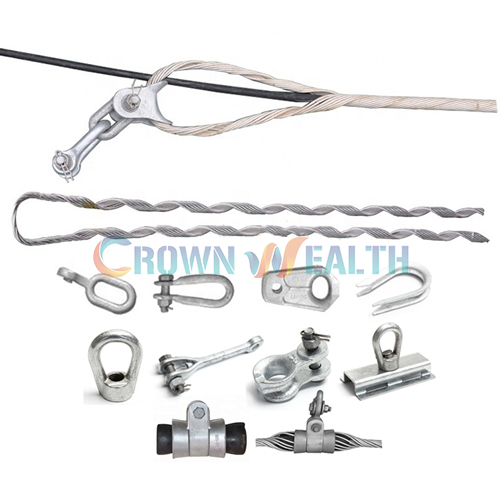
Armor Rods, also known as preformed armor rods, are helical wire strands that are pre - formed to fit around cables or conductors. They are typically made of high - strength aluminum alloy or steel, which provides excellent mechanical protection and electrical conductivity. These rods are designed to distribute mechanical stress evenly along the cable, preventing damage from bending, vibration, and external forces.
The Preformed Armor Rods we supply are manufactured with precision, ensuring a perfect fit for various cable sizes. They are easy to install, requiring no special tools, and can be quickly wrapped around the cable on - site.
Characteristics of Armor Rods Relevant to Communication Equipment
-
Mechanical Protection
One of the primary functions of Armor Rods is to protect cables from mechanical damage. In communication systems, cables are often exposed to harsh environmental conditions, such as strong winds, ice, and physical impacts. Armor Rods can act as a shield, absorbing and distributing the mechanical stress, thus extending the lifespan of the communication cables. -
Electrical Conductivity
Good electrical conductivity is crucial for communication cables to ensure efficient signal transmission. Most Armor Rods are made of materials with high electrical conductivity, such as aluminum alloy. This property can help to reduce signal attenuation and interference, improving the overall performance of the communication system. -
Flexibility
Armor Rods are flexible and can be easily bent to fit different cable shapes and configurations. This flexibility makes them suitable for use in complex communication network layouts, where cables may need to be routed around obstacles or through tight spaces.
Potential Applications of Armor Rods in Communication Equipment
-
Overhead Communication Lines
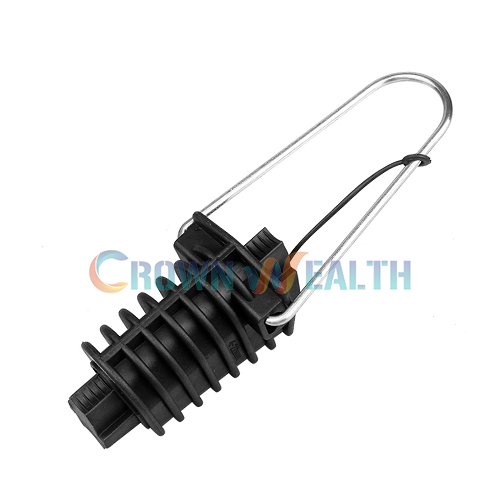
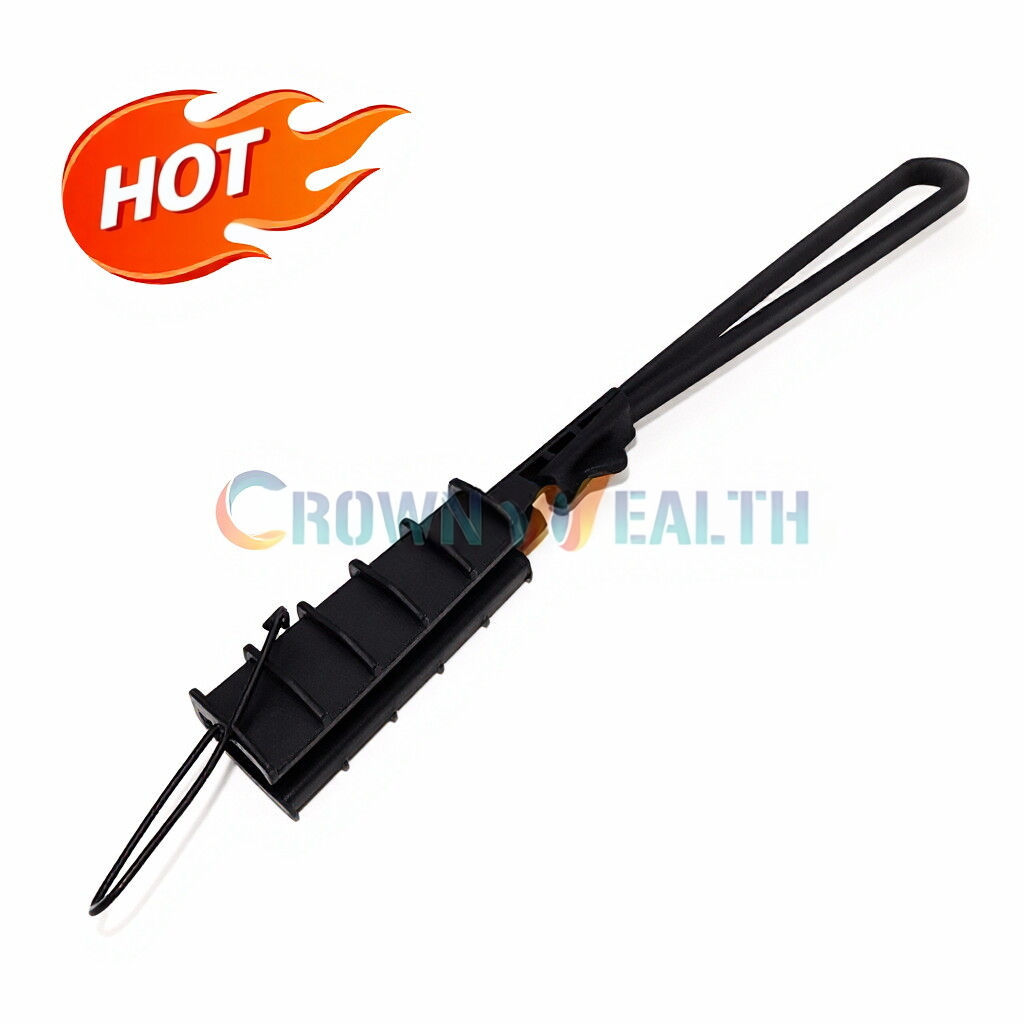
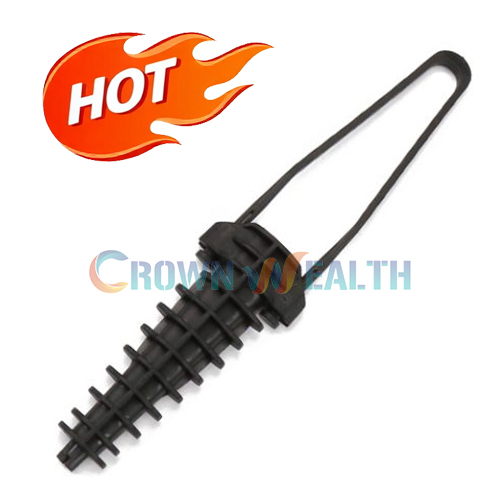
In overhead communication line systems, cables are often strung between poles. These cables are vulnerable to wind - induced vibrations, which can cause fatigue and eventually lead to cable failure. Armor Rods can be installed at the suspension points of the cables to dampen the vibrations and prevent damage. Additionally, they can protect the cables from abrasion against the support structures. The Overhead Line Accessories Preformed Dead End Clamp Guy Grip for Cable can be used in conjunction with Armor Rods to provide a more comprehensive solution for overhead communication lines. -
Underground Communication Cables
Although underground cables are generally less exposed to mechanical forces compared to overhead cables, they can still be damaged during installation or by external factors such as digging. Armor Rods can be used to reinforce the cables at critical points, such as cable joints and bends, to prevent damage from external impacts or soil movement.

-
Indoor Communication Equipment
In indoor communication facilities, such as data centers and telecommunication rooms, cables are often bundled together and routed through cable trays. Armor Rods can be used to protect the cables from being pinched or damaged during installation or maintenance. They can also be used to organize and secure the cables, improving the overall neatness and accessibility of the cable management system.
Limitations and Considerations
-
Cost
The use of Armor Rods in communication equipment will add to the overall cost of the project. While the long - term benefits of cable protection may outweigh the initial investment, cost - conscious projects may need to carefully evaluate the necessity of using Armor Rods. -
Installation Complexity
Although Armor Rods are relatively easy to install, improper installation can reduce their effectiveness. It is important to ensure that the Armor Rods are installed correctly, with the right tension and spacing, to achieve the desired protection. -
Compatibility
Not all Armor Rods are suitable for all types of communication cables. Different cables have different diameters, materials, and mechanical properties. It is essential to select the appropriate Armor Rods that are compatible with the specific communication cables to ensure optimal performance.
Conclusion
In conclusion, Armor Rods have significant potential for use in communication equipment. Their mechanical protection, electrical conductivity, and flexibility make them suitable for a variety of applications in both overhead and underground communication systems, as well as indoor facilities. However, it is important to consider the cost, installation complexity, and compatibility factors when deciding whether to use Armor Rods in a particular project.
As a trusted supplier of Armor Rods, we have a wide range of products to meet the diverse needs of our customers. Our Preformed Armor Rods are of high quality and are backed by our professional technical support. If you are interested in using Armor Rods in your communication equipment projects, we encourage you to contact us for more information and to discuss your specific requirements. We are committed to providing you with the best solutions and products to ensure the success of your projects.
If you have any questions or would like to start a procurement negotiation, please feel free to reach out. We look forward to working with you to enhance the performance and reliability of your communication systems.
References
- Electrical Power Transmission System Engineering: Analysis and Design, by Turan Gonen
- Communication Cable Engineering Handbook, by various authors