Hey there! As a U Shackle supplier, I often get asked about how to measure the torque of U Shackles. It's a crucial aspect, especially when you're dealing with applications where safety and proper functioning are on the line. So, let's dive right into it and break down the process step by step.
First off, why is measuring the torque of U Shackles so important? Well, U Shackles are used in a wide range of industries, from construction to marine applications. They're often used to secure loads, connect different components, and more. If the torque isn't right, it can lead to a whole bunch of problems. For example, if the torque is too low, the U Shackle might come loose over time, which could cause the load to shift or even fall. On the other hand, if the torque is too high, it can damage the U Shackle, the components it's attached to, or both.
Now, let's talk about the tools you'll need. You're going to need a torque wrench. This is a specialized tool that allows you to apply a specific amount of torque to a fastener, in this case, the nuts on the U Shackle. There are different types of torque wrenches available, such as click-type, beam-type, and digital torque wrenches. Click-type torque wrenches are probably the most common and easiest to use. They make a clicking sound when the preset torque value is reached, so you know you've applied the right amount of torque.
Before you start measuring the torque, you need to know the recommended torque value for your U Shackle. This value can usually be found in the manufacturer's specifications. It depends on a few factors, like the size of the U Shackle, the type of material it's made from, and the application it's being used for. Make sure you double-check these specifications to ensure you're using the correct torque value.
Once you have your torque wrench and you know the recommended torque value, it's time to start the measurement process. First, make sure the U Shackle is properly installed. It should be clean, free of any debris or damage, and correctly positioned on the components it's connecting. Then, place the torque wrench on the nut of the U Shackle. Hold the torque wrench firmly and start applying force in a clockwise direction. As you turn the wrench, keep an eye on the reading (if it's a digital torque wrench) or listen for the click (if it's a click-type torque wrench).
It's important to apply the torque gradually and evenly. Don't try to apply the full torque all at once, as this can lead to inaccurate measurements and potentially damage the U Shackle or the nut. Also, make sure you're applying the torque in a straight line. If you apply the force at an angle, it can affect the accuracy of the measurement.
After you've reached the recommended torque value, double-check the reading or listen for the click one more time to make sure you've applied the correct amount of torque. Then, give the U Shackle a quick visual inspection to make sure everything looks okay. There should be no signs of damage or excessive stress on the U Shackle or the components it's attached to.
Now, let's talk about some common mistakes to avoid when measuring the torque of U Shackles. One of the biggest mistakes is not using the right torque value. As I mentioned earlier, it's crucial to check the manufacturer's specifications to ensure you're using the correct value. Another common mistake is using a damaged or inaccurate torque wrench. Make sure your torque wrench is in good condition and calibrated regularly. If it's not calibrated correctly, it can give you inaccurate readings, which can lead to problems down the line.
Another thing to keep in mind is that the torque value can change over time. Factors like vibration, temperature changes, and the type of load can all affect the torque. That's why it's a good idea to recheck the torque periodically, especially in applications where there's a lot of movement or stress.


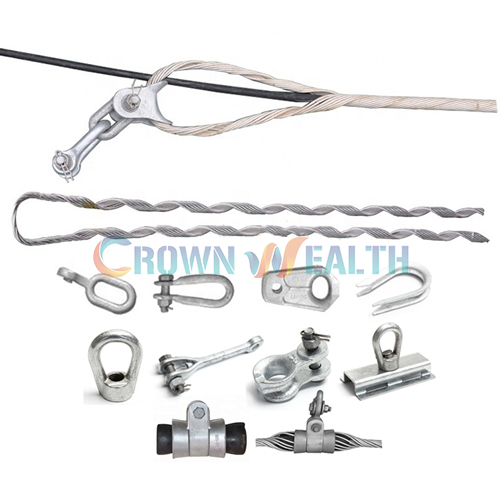
As a U Shackle supplier, I also want to mention some of the other products we offer that might be useful in conjunction with U Shackles. For example, we have QH Ball Eyes. These are great for applications where you need a flexible connection. They can help reduce stress on the U Shackle and other components, which can improve the overall performance and longevity of your system.
We also offer HDG Anchor Shackle. These are designed for heavy-duty applications, such as anchoring large objects or securing loads in marine environments. They're made from high-quality materials and are galvanized to resist corrosion, making them a reliable choice for tough jobs.
And if you're looking for something to connect multiple U Shackles or other components, our Yoke Plates are a great option. They provide a strong and stable connection, and they're available in different sizes and configurations to meet your specific needs.
In conclusion, measuring the torque of U Shackles is an important process that requires the right tools, knowledge, and attention to detail. By following the steps I've outlined in this blog post and avoiding common mistakes, you can ensure that your U Shackles are installed correctly and performing at their best. If you have any questions about U Shackles, torque measurement, or any of our other products, don't hesitate to reach out. We're here to help you find the right solutions for your needs. Whether you're a contractor, a DIY enthusiast, or someone in the marine industry, we have the products and expertise to support you. So, if you're in the market for U Shackles or any of our other products, let's start a conversation and see how we can work together.
References
- "Mechanical Engineering Handbook" - A comprehensive guide on mechanical engineering principles, including torque measurement and fastener applications.
- Manufacturer's specifications for U Shackles, QH Ball Eyes, HDG Anchor Shackles, and Yoke Plates.