Can ADSS Fittings Be Used in Harsh Environments?
Hey there! I'm a supplier of ADSS fittings, and I often get asked if our products can hold up in harsh environments. Well, stick around, and I'll break it all down for you.
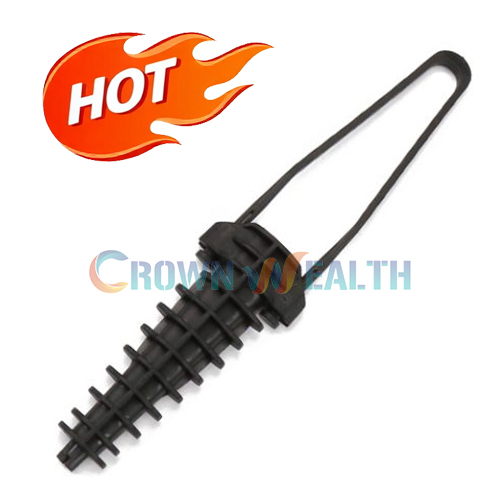
First off, let's talk about what ADSS fittings are. ADSS stands for All - Dielectric Self - Supporting. These fittings are used to support and secure ADSS fiber optic cables, which are commonly used in overhead power line applications. They're crucial for keeping the cables in place and ensuring the smooth transmission of data.
Now, what do we mean by harsh environments? Harsh environments can include areas with extreme temperatures, high humidity, strong winds, heavy rainfall, and even exposure to corrosive substances. For example, in coastal regions, the salt in the air can be highly corrosive to metals. In the mountains, the temperature can vary greatly between day and night, and strong winds are a common occurrence.
So, can ADSS fittings handle all this? The answer is a big yes, and here's why.
Material Selection
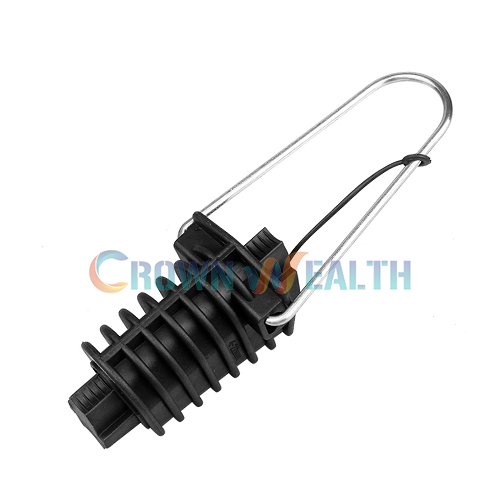
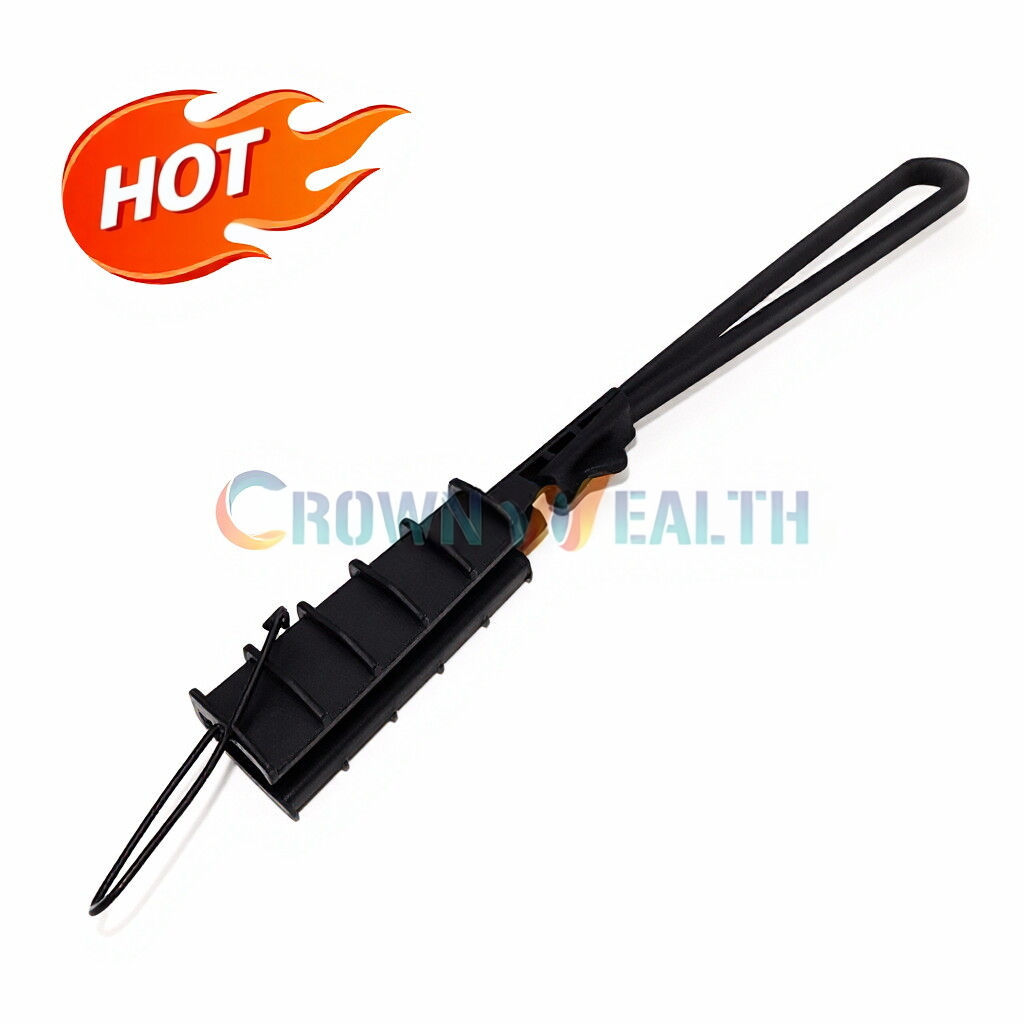
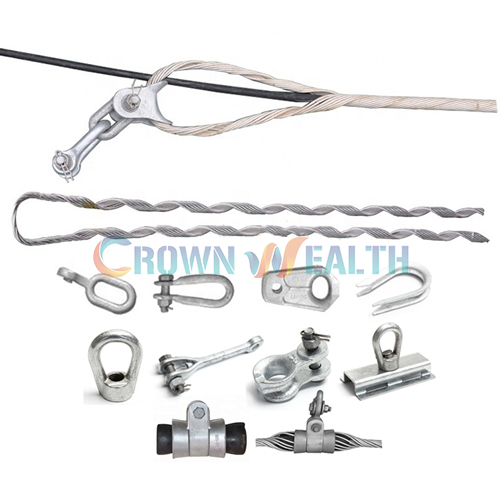
We use high - quality materials in the manufacturing of our ADSS fittings. For instance, some of our Preformed Helical Tension Clamp are made from pre - formed helical wires. These wires are usually made of high - strength aluminum alloy or stainless steel. Aluminum alloy is lightweight, which makes installation easier, and it has good corrosion resistance. Stainless steel, on the other hand, is extremely durable and can withstand corrosion even in the most challenging conditions.
Our Hot Dip Galvanized Strain Clamp goes through a hot - dip galvanizing process. This process coats the clamp with a layer of zinc, which acts as a sacrificial anode. In other words, the zinc corrodes first, protecting the underlying metal from rust and corrosion. This makes the strain clamp suitable for use in areas with high humidity or where there's a risk of exposure to corrosive substances.
Design Features
The design of ADSS fittings is also a key factor in their ability to perform in harsh environments. Take our Overhead Line Suspension Clamp for example. It's designed to evenly distribute the load along the cable, reducing stress on any single point. This is important because in harsh environments, external forces like wind and ice can put a lot of stress on the cable and its fittings. By evenly distributing the load, the clamp helps prevent damage to the cable and ensures its long - term stability.

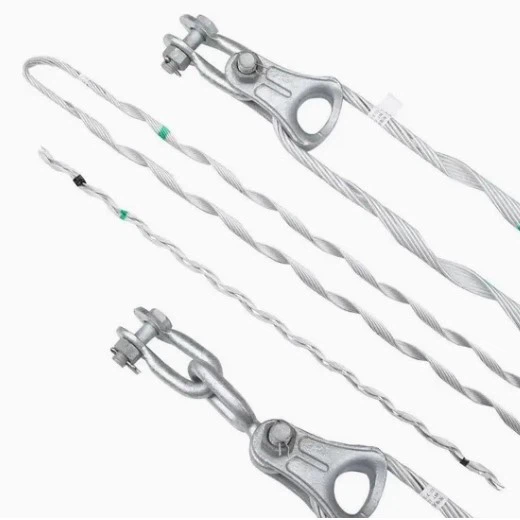
The shape of the fittings is also carefully considered. Many of our fittings have a streamlined design, which reduces wind resistance. This is especially important in areas with strong winds, as it helps prevent the fittings from being dislodged or damaged.
Testing and Certification
Before our ADSS fittings hit the market, they go through rigorous testing. We test them for things like tensile strength, corrosion resistance, and temperature resistance. For example, we expose the fittings to salt spray for a certain period to simulate the corrosive environment in coastal areas. We also test them at different temperatures, from extremely cold to very hot, to ensure they can maintain their performance under various conditions.
Our products also meet international standards and certifications. This means that they've been independently verified to meet certain quality and performance criteria. So, you can have peace of mind knowing that our ADSS fittings are reliable and can handle harsh environments.
Real - World Examples
Let's look at some real - world examples of where our ADSS fittings have been used in harsh environments. In a large - scale power transmission project in a coastal area, our hot - dip galvanized strain clamps were used to secure the ADSS cables. Despite being exposed to the salty air for several years, the clamps showed minimal signs of corrosion, and the cables remained securely in place.
In a mountainous region with extreme temperature variations, our preformed helical tension clamps were installed. These clamps withstood the strong winds and the temperature changes without any issues, ensuring the continuous operation of the fiber optic network.
Maintenance
While our ADSS fittings are designed to be low - maintenance, a little bit of upkeep can go a long way. Regular inspections are recommended to check for any signs of damage or wear. If any issues are detected, they can be addressed promptly to prevent further problems.
In areas with heavy pollution or where there's a high risk of corrosion, a protective coating can be applied to the fittings. This can further enhance their corrosion resistance and extend their lifespan.
Conclusion
In conclusion, ADSS fittings can definitely be used in harsh environments. Thanks to high - quality materials, smart design features, rigorous testing, and proper maintenance, our ADSS fittings are up to the challenge. Whether it's extreme temperatures, high humidity, strong winds, or corrosive substances, our products are built to last.
If you're in the market for ADSS fittings for a project in a harsh environment, don't hesitate to reach out. We're here to provide you with the best products and solutions. Let's start a conversation about your specific needs, and we'll work together to find the perfect ADSS fittings for your project.
References
- Industry standards for fiber optic cable fittings
- Research on the performance of different materials in harsh environments
- Case studies of ADSS fitting applications in various harsh environments