Are there any maintenance requirements for vibration dampers?
As a supplier of vibration dampers, I often get asked about the maintenance requirements of these essential components. Vibration dampers play a crucial role in various industries, from power transmission to mechanical engineering, by reducing the harmful effects of vibrations. In this blog post, I'll delve into the maintenance aspects of vibration dampers and provide some insights based on my experience in the field.
Understanding Vibration Dampers
Before we discuss maintenance, let's briefly understand what vibration dampers are and how they work. Vibration dampers are devices designed to absorb or dissipate the energy generated by vibrations. They come in different types, each suited for specific applications. For example, the Tuning Fork Vibration Damper is commonly used in overhead power lines to reduce aeolian vibrations. These vibrations are caused by wind blowing across the conductors and can lead to fatigue and damage over time. The tuning fork damper works by oscillating at a frequency that counteracts the vibrations, thereby reducing their amplitude.
Another type is the Spiral Vibration Damper, which is also used in power lines. It consists of a helical wire wound around the conductor, and its design allows it to dissipate the vibration energy through friction and internal damping. In mechanical systems, vibration dampers can be used to reduce the vibrations of rotating machinery, such as motors and pumps, improving their reliability and lifespan.
Maintenance Requirements
Visual Inspections
Regular visual inspections are the first line of defense in maintaining vibration dampers. These inspections should be carried out at predetermined intervals, depending on the application and the environment in which the dampers are installed. For example, in outdoor power line applications, inspections may be conducted annually or semi - annually.
During a visual inspection, check for signs of physical damage such as cracks, corrosion, or deformation. Cracks in the damper body can compromise its structural integrity and reduce its effectiveness. Corrosion, especially in dampers exposed to harsh environmental conditions, can weaken the materials and lead to premature failure. Deformation, such as bending or twisting, can also affect the damper's ability to function properly.
Inspect the mounting hardware as well. Loose bolts or clamps can cause the damper to move out of position, reducing its damping efficiency. Make sure that all the connections are secure and that the damper is properly aligned with the structure it is meant to protect.


Functionality Testing
In addition to visual inspections, functionality testing is essential to ensure that the vibration dampers are working as intended. This can be done using specialized equipment such as vibration sensors. By measuring the vibration levels before and after the damper, you can determine its effectiveness in reducing vibrations.
In some cases, it may be necessary to perform dynamic testing. For example, in a laboratory setting, a damper can be subjected to controlled vibrations to simulate real - world conditions. This allows for a more accurate assessment of its performance and can help identify any potential issues before they become major problems.
Environmental Considerations
The environment in which the vibration dampers are installed can have a significant impact on their maintenance requirements. For example, in coastal areas, the high salt content in the air can accelerate corrosion. In such cases, additional protective coatings may be required, and more frequent inspections may be necessary.
In industrial environments, where there may be exposure to chemicals or high levels of dust, the dampers may need to be cleaned regularly to prevent the build - up of contaminants. This can be done using appropriate cleaning agents and techniques, depending on the type of damper and the nature of the contaminants.
Lubrication (if applicable)
Some vibration dampers may require lubrication to ensure smooth operation. For example, dampers with moving parts, such as hydraulic or pneumatic dampers, may need to have their lubricants checked and replaced at regular intervals. Using the correct type of lubricant is crucial, as the wrong lubricant can cause damage to the damper components.
Importance of Maintenance
Proper maintenance of vibration dampers is not just about ensuring their continued functionality; it also has broader implications for the overall system. By keeping the dampers in good condition, you can prevent premature failure of the equipment they protect. For example, in a power line, a failed vibration damper can lead to increased vibrations, which can cause conductor fatigue, galloping, and even breakage. This can result in power outages, costly repairs, and safety hazards.
In mechanical systems, well - maintained vibration dampers can improve the efficiency and reliability of the machinery. Reduced vibrations mean less wear and tear on the components, leading to longer service intervals and lower maintenance costs.
Role of Preformed Armor Rods
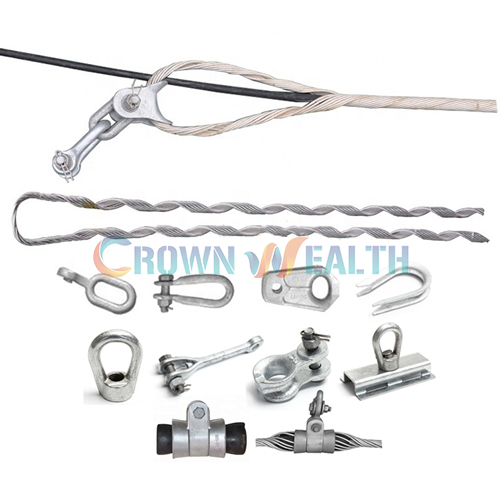
Preformed Armor Rods are often used in conjunction with vibration dampers in power line applications. These rods are installed on the conductors to provide additional protection against abrasion and mechanical stress. They can also help to distribute the load more evenly, reducing the stress on the vibration dampers.
Regular inspection of the preformed armor rods is also important. Check for signs of damage or displacement, as these can affect their ability to protect the conductors and the vibration dampers. If any damage is found, the armor rods should be replaced promptly to maintain the integrity of the system.
Conclusion
In conclusion, vibration dampers do have maintenance requirements, and these requirements are essential for their proper functioning and the overall reliability of the systems they are part of. Regular visual inspections, functionality testing, consideration of the environment, and appropriate lubrication (if applicable) are all key aspects of damper maintenance.
If you are in need of high - quality vibration dampers or have any questions about their maintenance, please don't hesitate to reach out. Our team of experts is always ready to assist you with your needs. Whether you are in the power transmission industry, mechanical engineering, or any other field that requires vibration control, we can provide you with the right solutions and support.
References
- "Handbook of Vibration Damping" - A comprehensive guide on vibration damping principles and applications.
- Industry standards and guidelines related to power line and mechanical system maintenance, such as IEEE standards for power line components.
- Manufacturer's documentation for specific vibration damper products.