Can ADSS Fittings Be Used in Areas with Frequent Earthquakes?
As a supplier of ADSS (All-Dielectric Self-Supporting) fittings, I often receive inquiries from customers in earthquake - prone regions about the suitability of our products. In this blog post, I will explore whether ADSS fittings can be effectively used in areas with frequent seismic activities.
Understanding ADSS Fittings
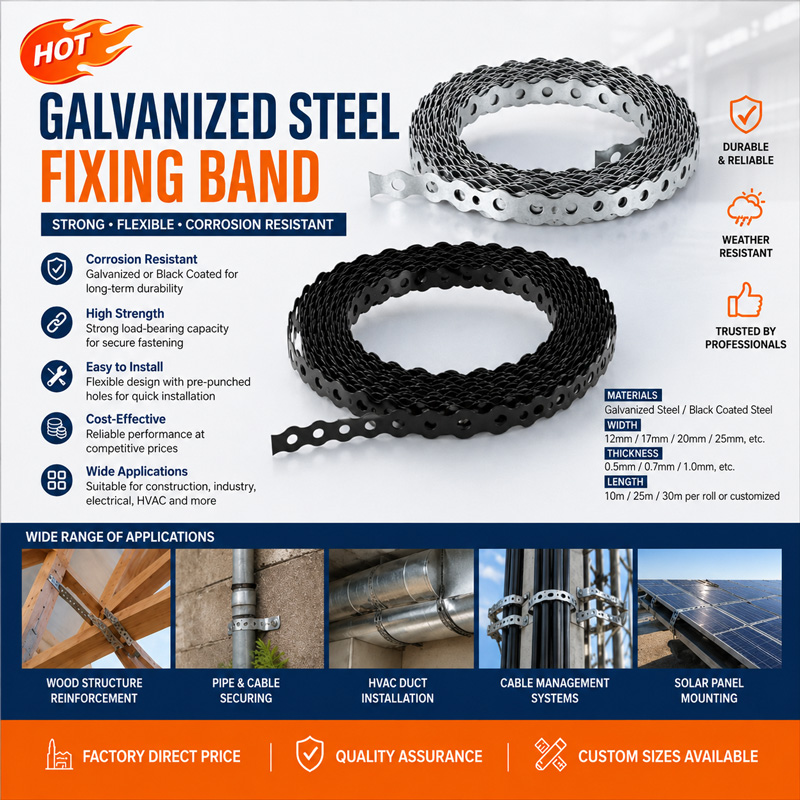
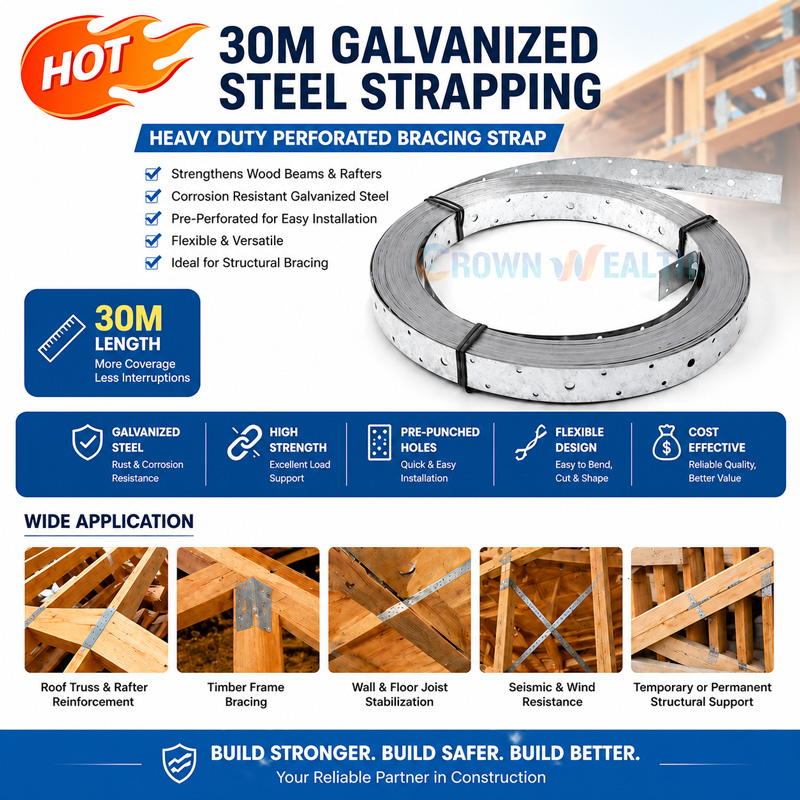
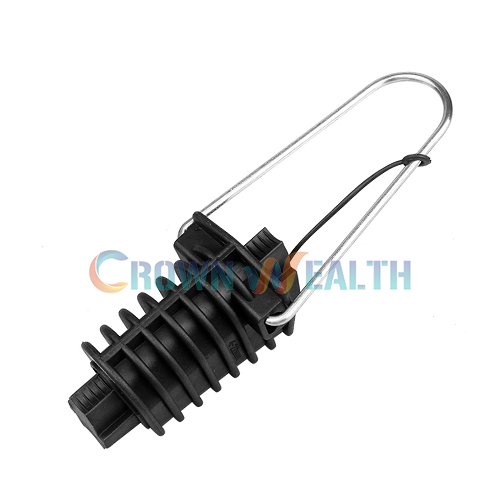
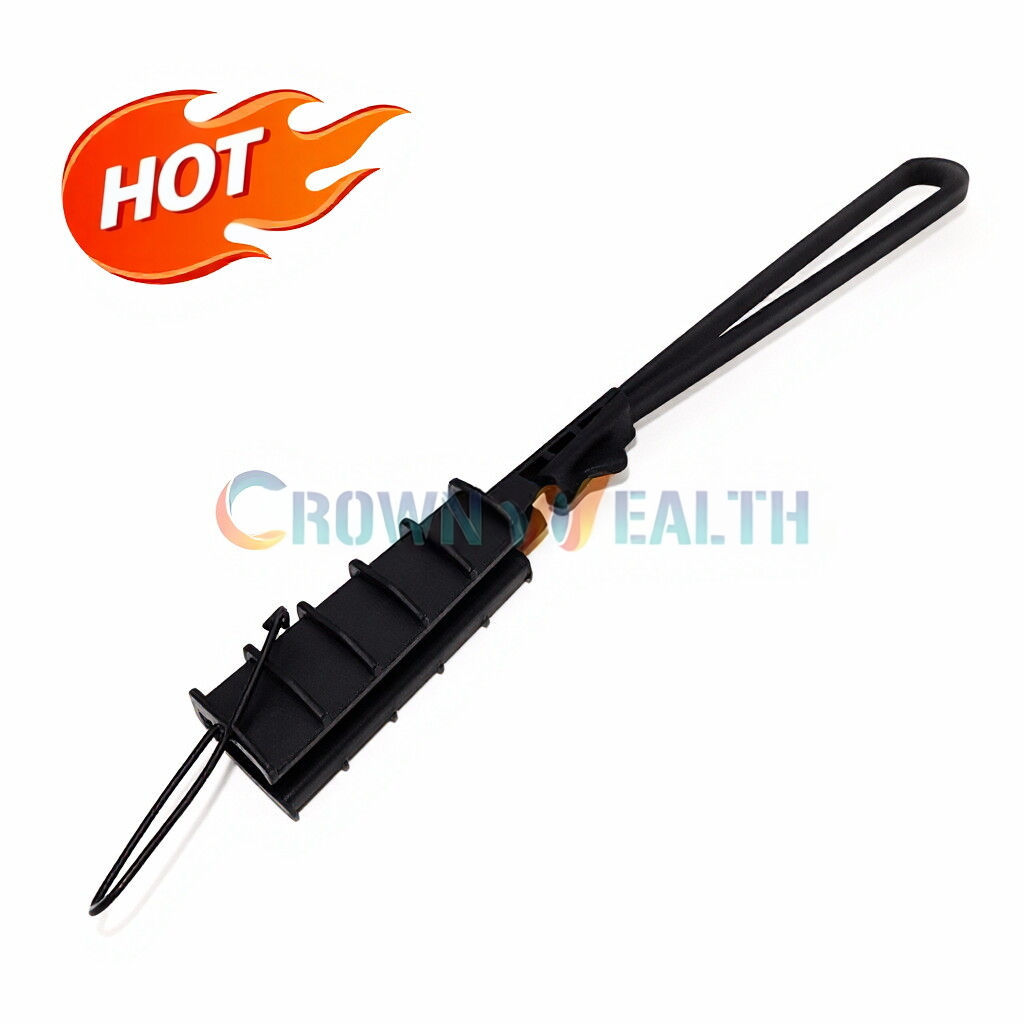
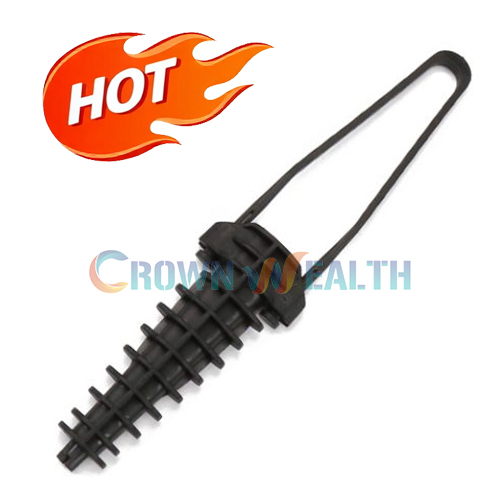
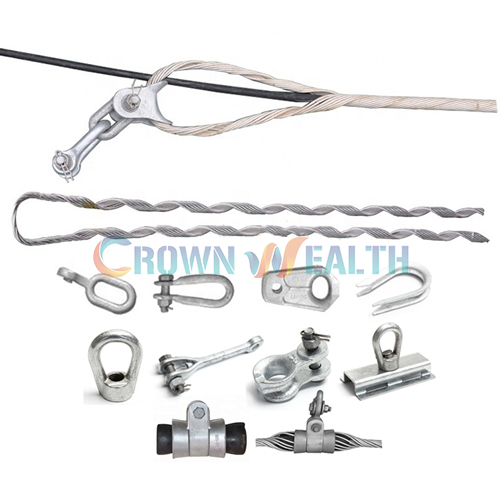
ADSS fittings are essential components in fiber - optic cable installations. They are designed to support, secure, and protect ADSS cables in various outdoor environments. Some common types of ADSS fittings include the Fastening Fixture, Hot Dip Galvanized Strain Clamp, and ADSS Suspension Clamp. These fittings are made from high - quality materials such as galvanized steel or composite materials, which provide durability and corrosion resistance.
The Challenges Posed by Earthquakes
Earthquakes bring a series of challenges to any infrastructure, including fiber - optic cable systems. During an earthquake, the ground shakes violently, which can cause the poles or towers supporting the ADSS cables to sway, tilt, or even collapse. The vibrations can also lead to the stretching, bending, or twisting of the cables themselves. If the ADSS fittings are not properly designed and installed, they may fail to hold the cables in place, resulting in cable damage and communication disruptions.
Factors Affecting the Suitability of ADSS Fittings in Earthquake - Prone Areas
Material Strength
The strength of the materials used in ADSS fittings is crucial. High - strength materials can withstand the forces generated during an earthquake. For example, hot - dip galvanized steel has excellent mechanical properties, including high tensile strength and good ductility. This allows the fittings to absorb and distribute the seismic forces without breaking. Composite materials, on the other hand, can offer a combination of light weight and high strength, which is beneficial for reducing the overall load on the support structures.
Design Flexibility
ADSS fittings need to have a certain degree of flexibility in their design. A well - designed fitting can accommodate the movement of the cables and support structures during an earthquake. For instance, some ADSS suspension clamps are designed with a swivel mechanism that allows the cable to move freely in multiple directions. This helps to prevent excessive stress on the cable and the fitting, reducing the risk of damage.
Installation Quality
Proper installation is essential for the performance of ADSS fittings in earthquake - prone areas. The fittings must be installed correctly on the poles or towers, and the cables must be properly tensioned. Incorrect installation can lead to weak points in the system, which are more likely to fail during an earthquake. For example, if a strain clamp is not tightened properly, it may loosen during the seismic vibrations, causing the cable to sag or break.
Case Studies and Research Findings
There have been several case studies and research projects conducted on the performance of ADSS fittings in earthquake - affected areas. In some regions where earthquakes are relatively common, fiber - optic cable systems with well - installed ADSS fittings have shown good resilience. For example, in a recent earthquake in a coastal area, the ADSS cables supported by high - quality suspension clamps and strain clamps remained intact, while some nearby traditional cable systems suffered significant damage.


Research has also focused on improving the design of ADSS fittings to enhance their earthquake resistance. Scientists and engineers are constantly exploring new materials and design concepts to make the fittings more robust. Some studies have proposed the use of smart materials that can change their properties in response to seismic forces, providing additional protection for the cables.
Mitigation Strategies
Even with the best - designed ADSS fittings, it is still necessary to implement some mitigation strategies in earthquake - prone areas. One approach is to strengthen the support structures. For example, using reinforced concrete poles or steel towers can provide more stable support for the ADSS cables. Another strategy is to install additional shock - absorbing devices, such as dampers, between the fittings and the support structures. These devices can help to reduce the impact of the seismic vibrations on the cables and fittings.
Conclusion
In conclusion, ADSS fittings can be used in areas with frequent earthquakes, but several factors need to be considered. High - strength materials, flexible design, and proper installation are key to ensuring the performance of the fittings during seismic activities. By implementing appropriate mitigation strategies, the risk of cable damage and communication disruptions can be significantly reduced.
As a supplier of ADSS fittings, we are committed to providing high - quality products that meet the needs of customers in earthquake - prone areas. Our Fastening Fixture, Hot Dip Galvanized Strain Clamp, and ADSS Suspension Clamp are designed and tested to withstand various environmental conditions, including seismic forces.
If you are interested in our ADSS fittings or have any questions about using them in earthquake - prone areas, please feel free to contact us for further discussions and procurement. We look forward to working with you to build reliable fiber - optic cable systems.
References
- "Seismic Performance of Fiber - Optic Cable Systems" - Journal of Infrastructure Protection
- "Advances in ADSS Fitting Design for Harsh Environments" - International Journal of Telecommunications Engineering
- Case studies from earthquake - affected regions provided by local telecommunications authorities.