Hey there! As a supplier of Double Suspension Clamps, I often get asked about how these nifty little devices work. So, I thought I'd take a few minutes to break it down for you in plain English.
Let's start with the basics. A double suspension clamp is a crucial component in cable suspension systems. It's designed to hold and support cables, like power lines or fiber optic cables, in place. The main goal is to ensure that the cables are secure and stable, even under different environmental conditions and loads.
The Anatomy of a Double Suspension Clamp
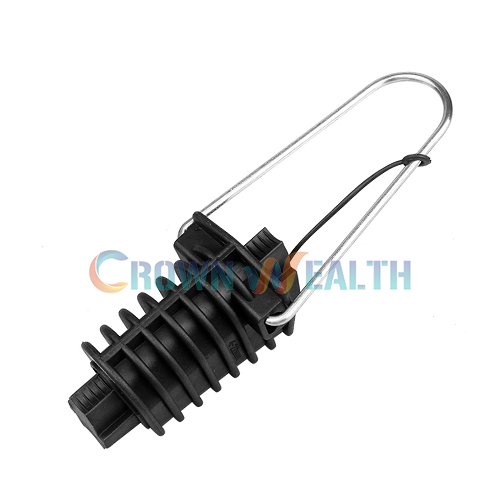
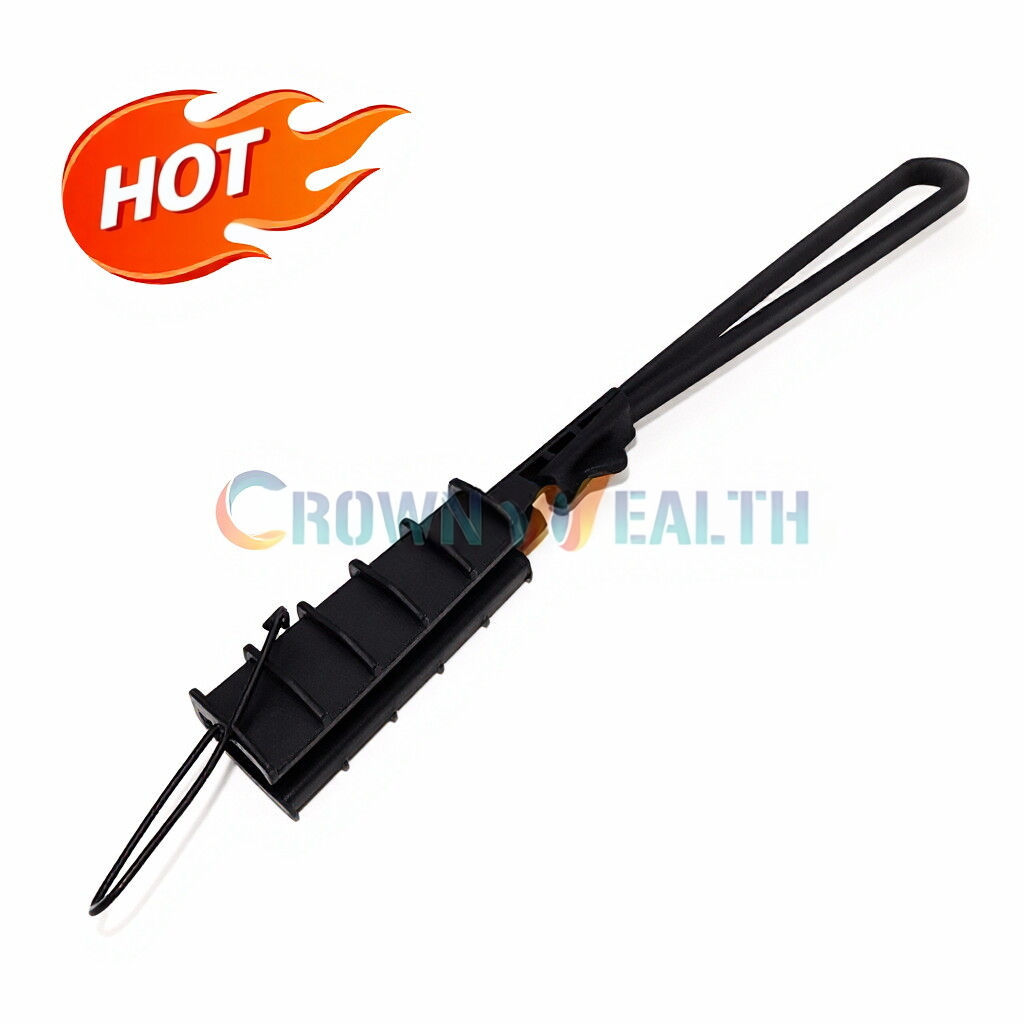
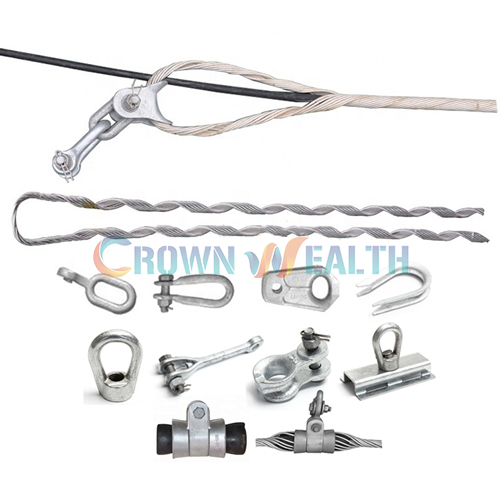
Before we dive into the working principle, let's quickly go over what a double suspension clamp is made of. It typically consists of two main parts: the clamp body and the bolts or fasteners. The clamp body is usually made of high - strength materials like aluminum alloy or steel. These materials are chosen because they can withstand the forces exerted on the clamp and resist corrosion.
The bolts or fasteners are used to tighten the clamp around the cable. They need to be tightened properly to ensure a good grip on the cable. Some double suspension clamps also come with additional features like rubber liners. These liners help to protect the cable from damage and improve the clamping force by providing a better grip.
How Does It Work?
The working principle of a double suspension clamp is actually quite straightforward. When you install a double suspension clamp on a cable, you first open the clamp body. This is usually done by loosening the bolts. Then, you place the cable in the center of the clamp body. Once the cable is in position, you tighten the bolts.
As you tighten the bolts, the two halves of the clamp body come together and squeeze the cable. This creates a frictional force between the clamp and the cable. The frictional force is what holds the cable in place. It's like when you hold a pencil tightly between your fingers. The pressure from your fingers creates friction, and the pencil doesn't slip out.
The key to a good double suspension clamp is to have enough clamping force. If the clamping force is too low, the cable might slip out of the clamp, which can lead to all sorts of problems like cable sagging or even breakage. On the other hand, if the clamping force is too high, it can damage the cable. That's why it's important to follow the manufacturer's instructions when installing the clamp.
Factors Affecting the Working of Double Suspension Clamps
There are several factors that can affect how well a double suspension clamp works.
Cable Type and Size
Different types of cables have different properties. For example, a fiber optic cable is more delicate than a power cable. So, you need to choose a double suspension clamp that is suitable for the type of cable you are using. Also, the size of the cable matters. A clamp that is too small won't fit the cable properly, and a clamp that is too large won't provide enough clamping force.
Environmental Conditions
The environment where the cable is installed can also have an impact. In areas with high winds, the clamp needs to be able to withstand the additional forces exerted by the wind. In areas with extreme temperatures, the materials of the clamp need to be able to expand and contract without losing their clamping force.
Installation Quality
How well the clamp is installed is crucial. If the bolts are not tightened evenly, the clamping force might not be distributed properly. This can lead to uneven stress on the cable and the clamp, which can reduce the lifespan of both the cable and the clamp.
Applications of Double Suspension Clamps
Double suspension clamps are used in a wide range of applications.
Power Transmission
In power transmission systems, double suspension clamps are used to support high - voltage power lines. These lines need to be held securely to ensure reliable power supply. The clamps need to be able to withstand the weight of the cables and the forces caused by wind and ice.
Telecommunications
In the telecommunications industry, double suspension clamps are used for fiber optic cables. These cables are very important for high - speed internet and communication. The clamps help to protect the cables from damage and ensure that they stay in place.
Related Products
If you're interested in cable suspension products, you might also want to check out some related items.
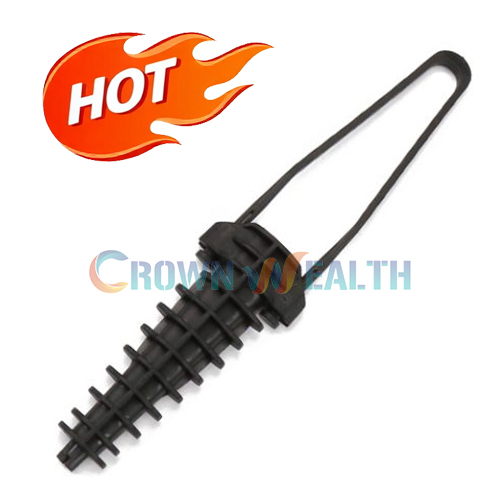
We have ADSS Suspension Clamp. These are specifically designed for All - Dielectric Self - Supporting (ADSS) fiber optic cables. They offer excellent support and protection for these types of cables.
Another product is the Preformed Helical Tension Clamp. These clamps are great for applications where there is a need for high - tension support. They are made of pre - formed helical wires that wrap around the cable, providing a strong and reliable grip.
And if you have short - span ADSS cables, our PreformedTension Clamp for Short Span ADSS is a perfect choice. It's designed to meet the specific requirements of short - span ADSS installations.


Why Choose Our Double Suspension Clamps
As a supplier, we take pride in offering high - quality double suspension clamps. Our clamps are made from top - notch materials, which means they are durable and long - lasting. We also have a strict quality control process to ensure that every clamp meets the highest standards.
We understand that different customers have different needs. That's why we offer a variety of double suspension clamps in different sizes and designs. Whether you need a clamp for a small - scale project or a large - scale industrial application, we've got you covered.
Contact Us for Your Clamp Needs
If you're in the market for double suspension clamps or any of our other cable suspension products, don't hesitate to reach out. We're here to help you find the right solution for your specific requirements. Whether you have questions about the product, need installation advice, or want to place an order, we're just a message or a call away. Let's work together to ensure your cable suspension system is reliable and efficient.
References
- Electrical Transmission and Distribution Handbook, by George Anders
- Fiber Optic Communication Systems, by Govind P. Agrawal