Hey there! As a supplier of Double Yoke Plates, I've seen my fair share of issues with these components getting damaged. In this blog, I'm gonna share some tips on how to prevent damage to Double Yoke Plates.
Understanding Double Yoke Plates
First off, let's quickly talk about what Double Yoke Plates are. These are important parts in various mechanical and structural systems. They're often used to connect different components, allowing for movement and transfer of loads. They need to be strong and durable to handle the stresses they're subjected to.
Common Causes of Damage
Before we dive into prevention, it's essential to know what causes damage to Double Yoke Plates. One of the main culprits is overloading. If the plate is asked to bear more weight or force than it's designed for, it can start to deform or even break. Another common issue is corrosion. Exposure to moisture, chemicals, or harsh environments can eat away at the metal, weakening the plate over time.
Improper installation is also a big factor. If the Double Yoke Plate isn't installed correctly, it can lead to uneven stress distribution, which can cause premature wear and damage. And let's not forget about wear and tear from normal use. Frequent movement and friction can gradually wear down the plate, reducing its effectiveness and lifespan.
Preventive Measures
1. Proper Selection
The first step in preventing damage is to choose the right Double Yoke Plate for the job. You need to consider factors like the load capacity, the environment it'll be used in, and the type of connection it'll make. For example, if you're working in a corrosive environment, you might want to choose a plate made from a corrosion - resistant material like stainless steel.
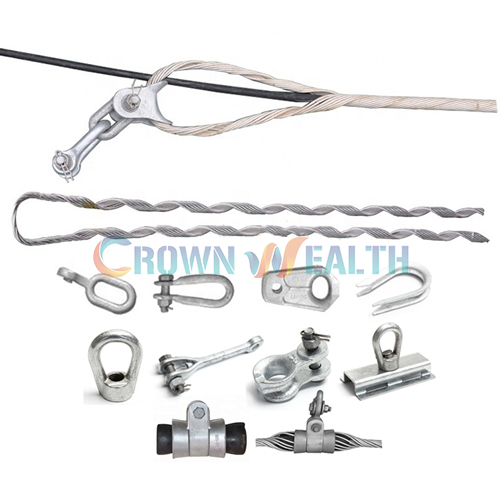
When selecting, also think about compatibility with other components. Make sure the Double Yoke Plate fits well with the ZH Ball Eyes, UB - Type Clevis, or QH Ball Eyes it'll be connected to. A proper fit ensures smooth operation and reduces the risk of damage.
2. Correct Installation
Installation is crucial. Follow the manufacturer's instructions carefully. Make sure all the bolts are tightened to the correct torque. Over - tightening can cause stress concentrations, while under - tightening can lead to loose connections and excessive movement.
Use the right tools for installation. A torque wrench is a must - have to ensure accurate tightening. Also, check for proper alignment. Misaligned Double Yoke Plates can cause uneven stress, which can quickly lead to damage.
3. Regular Inspection
Regular inspections are key to catching potential problems early. Check the plates for signs of wear, such as cracks, dents, or corrosion. Look for any signs of deformation or misalignment. If you notice any issues, address them immediately.
Inspect the connections as well. Make sure the bolts are still tight and that there's no excessive play in the joints. If you're using the Double Yoke Plate in a high - stress application, consider more frequent inspections.
4. Maintenance
Proper maintenance can significantly extend the life of Double Yoke Plates. Keep them clean and dry. If they're exposed to dirt, debris, or chemicals, clean them regularly with a suitable cleaner. Lubricate the moving parts to reduce friction and wear.
For plates in a corrosive environment, apply a protective coating. This can be a paint, a galvanized finish, or a specialized anti - corrosion treatment. Make sure to re - apply the coating as needed to maintain its effectiveness.
5. Load Management
Don't overload the Double Yoke Plates. Know their load capacity and stay within it. If you need to handle a heavier load, consider using a larger or stronger plate. Avoid sudden or shock loads, as these can cause more stress than the plate can handle.
If possible, distribute the load evenly across the plate. This can help prevent stress concentrations and reduce the risk of damage.
Training and Education
Make sure everyone involved in the handling, installation, and use of Double Yoke Plates is properly trained. They should understand the importance of following the correct procedures and be able to recognize signs of damage.
Training can also include safety procedures. For example, workers should know how to handle the plates safely to avoid injuries and damage.
Conclusion
Preventing damage to Double Yoke Plates is all about taking a proactive approach. By choosing the right plate, installing it correctly, inspecting it regularly, maintaining it properly, and managing the load, you can significantly extend its lifespan and ensure its reliable performance.
If you're in the market for high - quality Double Yoke Plates or have any questions about preventing damage, don't hesitate to reach out. We're here to help you find the best solutions for your needs. Whether you're a small business or a large industrial operation, we can provide the right products and advice to keep your equipment running smoothly.


References
- Mechanical Engineering Handbook, various editions
- Manufacturer's manuals for Double Yoke Plates
- Industry standards and guidelines for mechanical connections