Hey there! As a vibration damper supplier, I often get asked a bunch of questions about our products. One question that pops up quite a bit is, "Can a vibration damper be used in a corrosive environment?" Well, let's dig into this topic and find out.


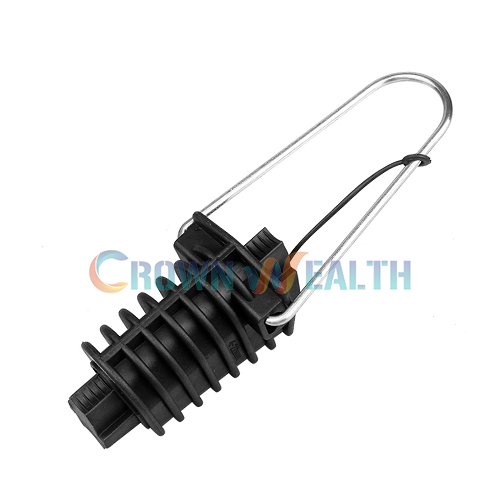
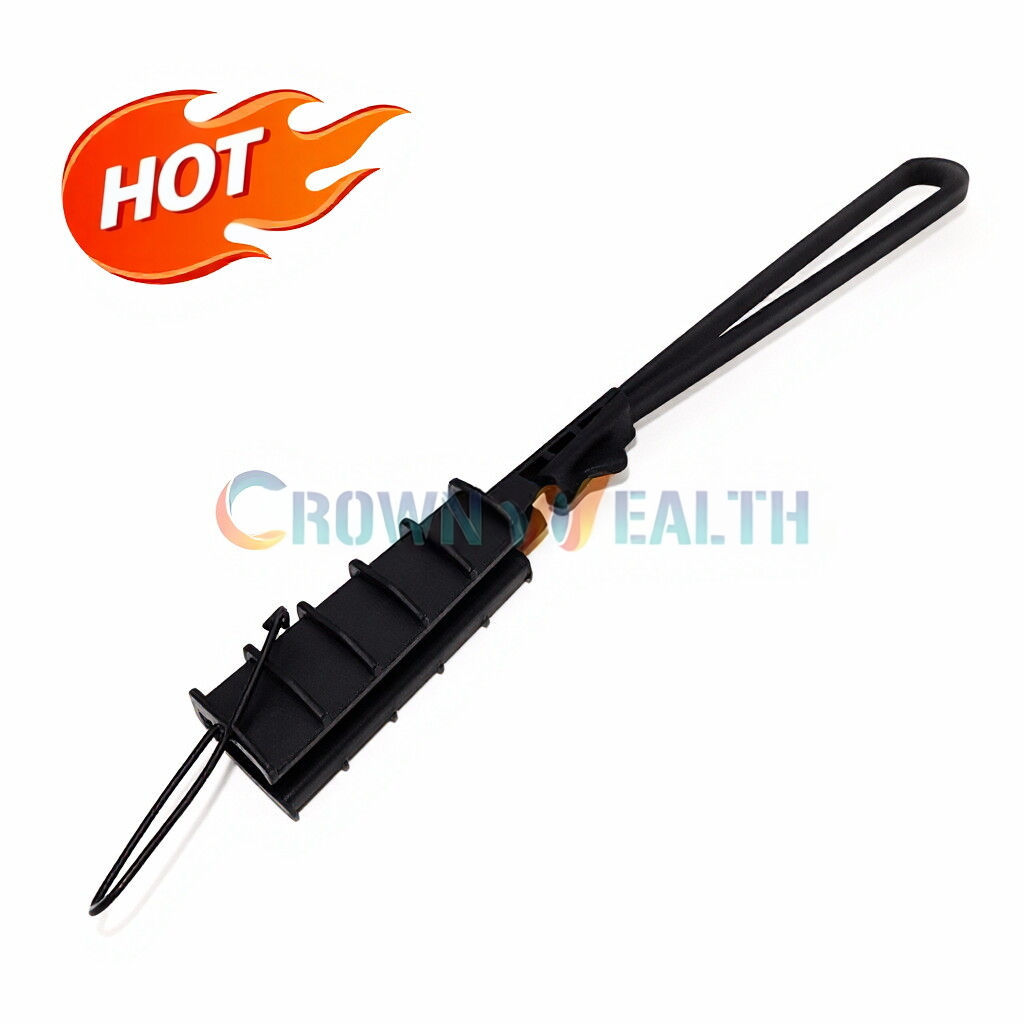
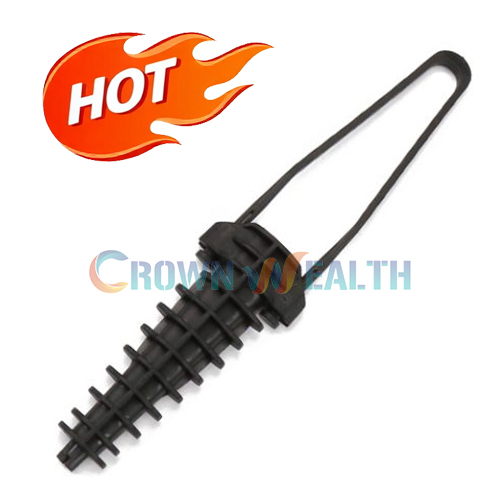
First off, let's understand what a vibration damper is and what it does. A vibration damper is a device that helps reduce or eliminate vibrations in various systems. In the context of power lines and other similar applications, it's crucial for protecting the cables and equipment from the damage that can be caused by constant vibrations. There are different types of vibration dampers out there, like the Helical Spiral Vibration Damper and the Spiral Vibration Damper. These dampers work by absorbing the energy from the vibrations and dissipating it in a way that reduces the overall impact on the system.
Now, let's talk about corrosive environments. A corrosive environment is one where there are substances that can cause corrosion, which is basically the deterioration of materials over time. Corrosion can be caused by things like moisture, chemicals, saltwater, and even certain gases. In industries like offshore oil and gas, marine, and chemical processing, corrosive environments are pretty common. And if you're using vibration dampers in these kinds of settings, you've got to make sure they can handle the harsh conditions.
So, can a vibration damper be used in a corrosive environment? The short answer is yes, but it depends on a few factors. The first factor is the material of the vibration damper. Different materials have different levels of resistance to corrosion. For example, stainless steel is known for its good corrosion resistance. It contains chromium, which forms a thin oxide layer on the surface that protects the metal from further corrosion. If you're in a moderately corrosive environment, a vibration damper made of stainless steel could be a good choice.
Another material option is aluminum. Aluminum also has some natural corrosion resistance due to the formation of an oxide layer on its surface. However, in more severe corrosive environments, aluminum might not hold up as well as stainless steel. In some cases, aluminum can be coated with a protective layer to enhance its corrosion resistance.
There are also composite materials that can be used for vibration dampers. Composites are made up of two or more different materials combined to create a material with unique properties. Some composites are designed to have excellent corrosion resistance, along with other benefits like lightweight and high strength.
But it's not just about the material. The design of the vibration damper also plays a role. A well-designed vibration damper will have features that help prevent corrosion. For example, it might have smooth surfaces that are less likely to trap moisture or chemicals. It could also have proper drainage holes to allow any water or other liquids to escape. And in some cases, the design might include seals or gaskets to prevent corrosive substances from getting inside the damper.
In addition to the material and design, the maintenance of the vibration damper is crucial in a corrosive environment. Regular inspections are a must. You need to check for any signs of corrosion, such as rust, pitting, or discoloration. If you notice any issues, you should take action right away. This could involve cleaning the damper, applying a protective coating, or even replacing the damper if the corrosion is too severe.
Let's take a look at some real-world examples. In the offshore oil and gas industry, vibration dampers are used on the risers and pipelines. These structures are constantly exposed to saltwater, which is highly corrosive. To ensure the long-term performance of the vibration dampers, companies often choose dampers made of high-quality stainless steel or composite materials. They also have strict maintenance schedules to keep the dampers in good condition.
In the marine industry, vibration dampers are used on ships and boats. The saltwater environment can be very harsh on the dampers. To combat this, manufacturers use materials and coatings that are specifically designed for marine applications. For example, some dampers are coated with a special paint that provides an extra layer of protection against corrosion.
Now, you might be wondering about the cost. Using vibration dampers that are suitable for corrosive environments can be more expensive than using standard dampers. However, when you consider the cost of replacing damaged equipment due to corrosion, it's often worth the investment. A high-quality, corrosion-resistant vibration damper can last much longer and require less maintenance, which can save you money in the long run.
If you're in an industry where you need vibration dampers for a corrosive environment, it's important to work with a supplier who knows what they're doing. At our company, we've got a lot of experience in providing vibration dampers for various applications, including those in corrosive environments. We can help you choose the right material, design, and coating for your specific needs. And we also offer support for installation and maintenance.
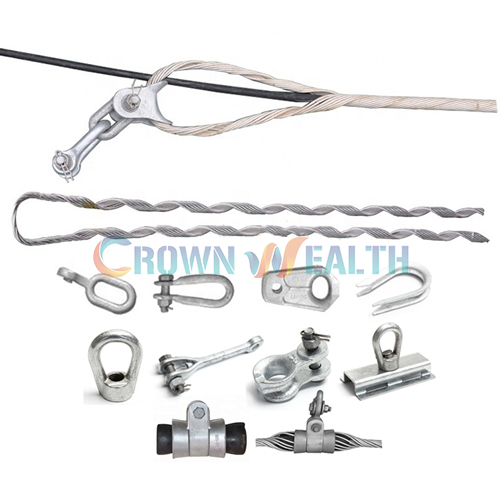
We also supply other related products like Armor Rods, which can provide additional protection for cables in harsh environments. Armor rods are used to reinforce the cables and prevent damage from abrasion, bending, and vibration.
If you're interested in learning more about our vibration dampers and how they can be used in corrosive environments, or if you're looking to make a purchase, don't hesitate to reach out. We're here to help you find the best solutions for your needs. Whether you're in a small project or a large industrial application, we've got the expertise and products to support you.
In conclusion, while using a vibration damper in a corrosive environment is possible, it requires careful consideration of the material, design, and maintenance. By choosing the right vibration damper and taking proper care of it, you can ensure its long-term performance and reliability in even the harshest conditions. So, if you've got a project in a corrosive environment and need vibration dampers, give us a shout. We'll work with you to find the perfect fit.
References
- "Corrosion Resistance of Metals and Alloys" - A technical handbook on the corrosion properties of different metals.
- "Materials for Use in Harsh Environments" - A research paper discussing the selection of materials for various harsh conditions.
- Industry standards and guidelines related to vibration dampers and corrosion protection.