Can protective fittings be used on cars?
In the automotive industry, the application of protective fittings is a topic that has gained increasing attention in recent years. As a supplier of protective fittings, I have witnessed firsthand the diverse range of products and their potential uses in various sectors. This blog aims to explore the question of whether protective fittings can be used on cars, delving into the types of protective fittings available, their benefits, and potential applications in the automotive field.
Types of Protective Fittings
Protective fittings come in a wide variety of forms, each designed to serve a specific purpose. Some of the common types of protective fittings that could potentially be used on cars include:
-
Square Spacer Damper: Square spacer dampers are designed to provide stability and damping in various applications. They can help reduce vibrations and shocks, which is crucial for the smooth operation of a vehicle. For more information on square spacer dampers, you can visit Square Spacer Damper.
-
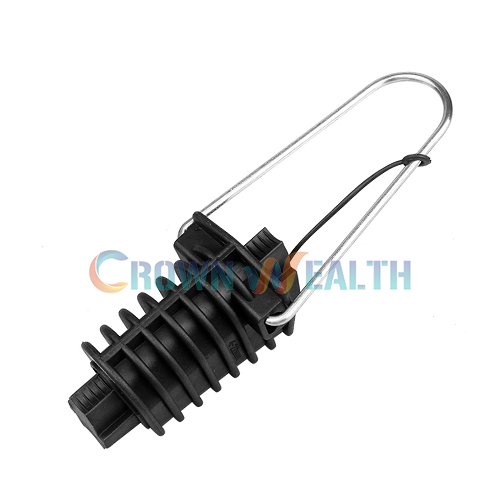
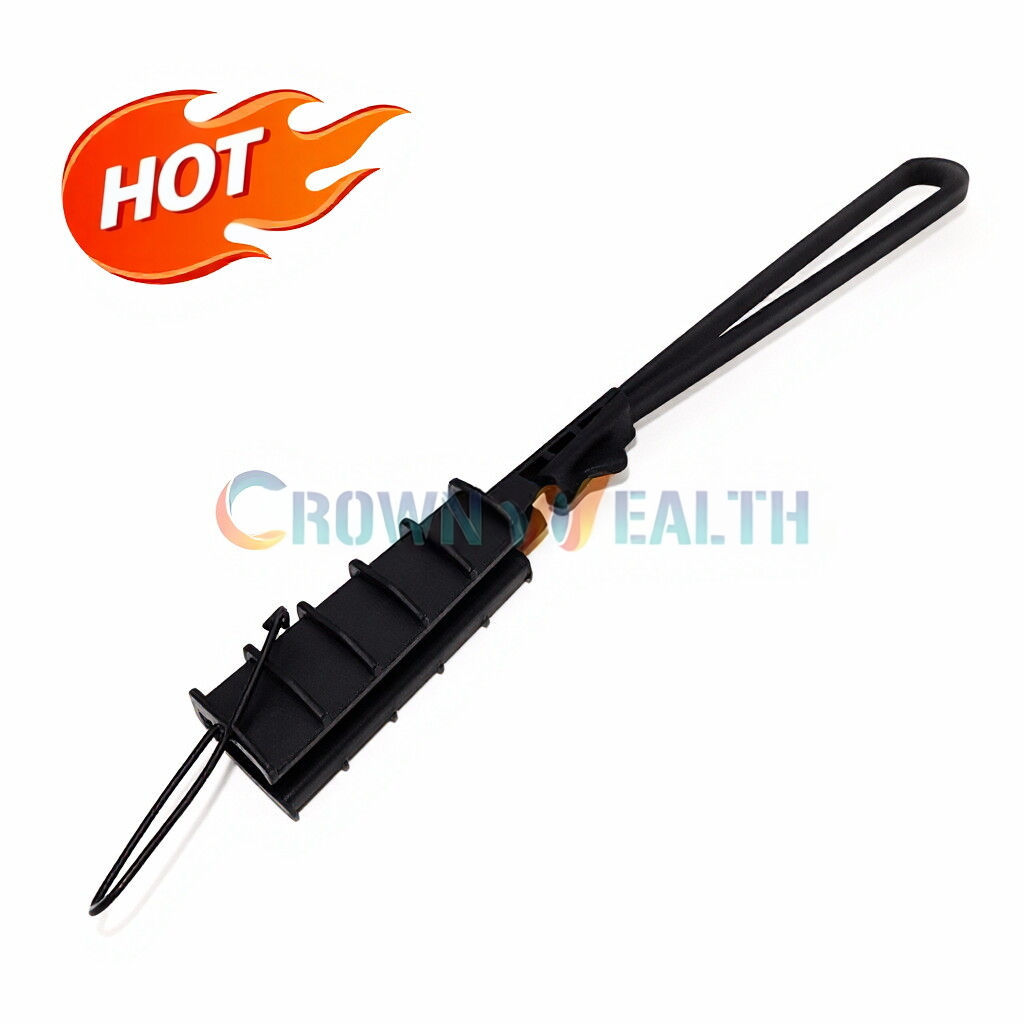
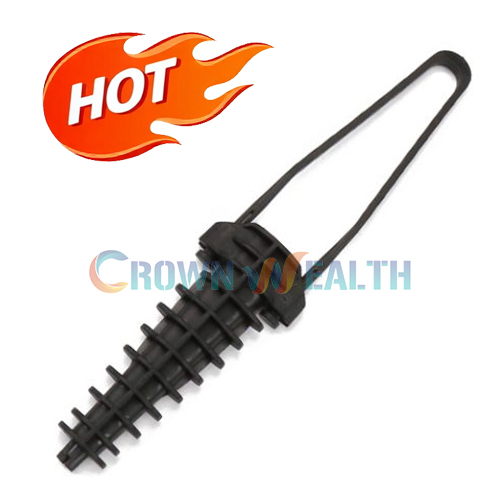
Preformed End Guy Grips: Preformed end guy grips are used to secure cables and wires in place. In a car, they could be used to secure electrical wiring or other components, preventing them from moving around and potentially causing damage. You can find more details about preformed end guy grips at Preformed End Guy Grips.
-
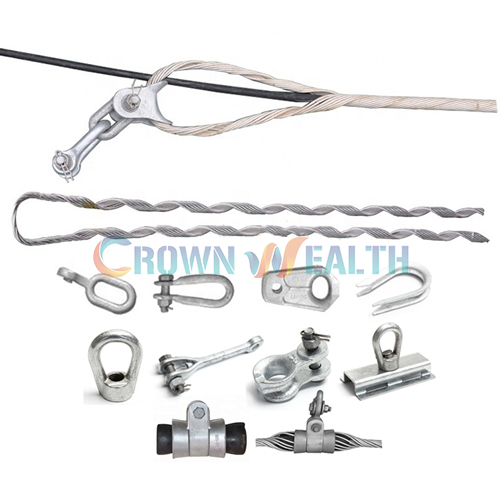
Preformed Armor Rods for Conductor Repair: These rods are used to repair and protect conductors. In a car's electrical system, they could be used to repair damaged wires or protect them from further damage. To learn more about preformed armor rods for conductor repair, click Preformed Armor Rods for Conductor Repair.
Benefits of Using Protective Fittings on Cars
The use of protective fittings on cars can offer several benefits, including:
-
Enhanced Safety: By reducing vibrations, securing components, and protecting conductors, protective fittings can contribute to the overall safety of the vehicle. For example, a well - secured electrical wiring system reduces the risk of short circuits and electrical fires.
-
Improved Durability: Protective fittings can help protect the car's components from wear and tear, extending their lifespan. This can lead to lower maintenance costs and a longer - lasting vehicle.
-
Better Performance: Reducing vibrations and ensuring the proper functioning of components can improve the car's performance. For instance, a stable suspension system with appropriate damping can provide a smoother ride and better handling.
Potential Applications of Protective Fittings in Cars
-
Electrical System: As mentioned earlier, preformed end guy grips and preformed armor rods for conductor repair can be used in the car's electrical system. They can secure wiring harnesses, repair damaged wires, and protect them from environmental factors such as moisture and heat.
-
Suspension System: Square spacer dampers can be used in the suspension system to reduce vibrations and shocks. This can improve the comfort of the ride and also protect the suspension components from excessive stress.
-
Engine Compartment: Protective fittings can be used to secure hoses, cables, and other components in the engine compartment. This helps prevent them from coming loose and causing damage to other parts of the engine.
Challenges and Considerations
While the use of protective fittings on cars offers many benefits, there are also some challenges and considerations that need to be taken into account.


-
Compatibility: It is essential to ensure that the protective fittings are compatible with the car's make and model. Different cars have different specifications, and using the wrong fitting can lead to problems.
-
Installation: Proper installation is crucial for the effective use of protective fittings. Incorrect installation can render the fittings ineffective or even cause damage to the vehicle.
-
Cost - Benefit Analysis: The cost of the protective fittings and their installation needs to be weighed against the potential benefits. In some cases, the cost may not justify the benefits, especially for older or low - value vehicles.
Conclusion
In conclusion, protective fittings can indeed be used on cars, and they offer a range of benefits in terms of safety, durability, and performance. However, careful consideration needs to be given to compatibility, installation, and cost - benefit analysis. As a supplier of protective fittings, we are committed to providing high - quality products that meet the specific needs of the automotive industry.
If you are interested in learning more about our protective fittings or discussing potential applications in your cars, we invite you to contact us for a procurement discussion. We have a team of experts who can provide you with detailed information and guidance on the best protective fittings for your needs.
References
- Automotive Engineering Handbook, various editions
- Journal of Automotive Technology and Engineering, multiple issues
- Industry reports on automotive component protection