Can Armor Rods be used in musical instruments?
As a supplier of armor rods, I've often pondered the potential applications of these products beyond their traditional uses in the electrical and telecommunications industries. One rather unconventional question that has crossed my mind is whether armor rods can be used in musical instruments. In this blog post, I'll explore this idea from a scientific and practical perspective.
Understanding Armor Rods
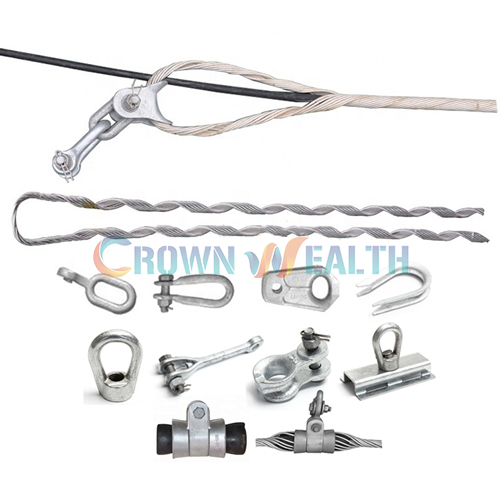
Armor rods are pre - formed helical rods typically made of aluminum alloy or steel. They are designed to protect overhead power lines and cables from mechanical damage, such as abrasion, vibration, and bending stress. The helical shape of armor rods allows them to be easily wrapped around the conductor, providing a continuous and uniform layer of protection.
The properties of armor rods, such as their strength, flexibility, and corrosion resistance, make them suitable for harsh outdoor environments. But how do these properties translate to the world of music?
The Science of Sound Production in Musical Instruments
To understand whether armor rods can be used in musical instruments, we first need to understand how sound is produced in musical instruments. Sound is created by vibrations. In stringed instruments, for example, the strings vibrate when plucked, bowed, or struck. These vibrations are then transmitted to the body of the instrument, which amplifies and modifies the sound.
In wind instruments, air is blown through a tube or a reed, causing the air column inside the instrument to vibrate. Percussion instruments produce sound when a surface is struck, causing it to vibrate.
Potential Applications of Armor Rods in Musical Instruments
Stringed Instruments
One possible application of armor rods in stringed instruments could be as a replacement for traditional strings or as a component in the string - support system. The strength and flexibility of armor rods might allow for unique tonal qualities. For example, steel armor rods could potentially produce a brighter and more metallic sound compared to traditional nylon or gut strings.
However, there are several challenges to overcome. The density and stiffness of armor rods are different from traditional strings, which could affect the way they vibrate. Additionally, the surface texture of armor rods might not be suitable for the action of a bow or the touch of a player's fingers.
Wind Instruments
In wind instruments, armor rods could potentially be used in the construction of the instrument's body or as a reinforcement for certain parts. For example, in a brass instrument, armor rods could be used to strengthen the bell or the tubing, which might affect the resonance and projection of the sound.
But again, there are issues to consider. The acoustic properties of armor rods, such as their ability to absorb or reflect sound waves, need to be carefully studied. The material of the armor rod could also introduce unwanted noise or distortion if not properly integrated into the instrument's design.
Percussion Instruments
Armor rods could be used in percussion instruments as well. They could be incorporated into the frame or the striking surface of a drum or a cymbal. The unique physical properties of armor rods might create new and interesting sounds when struck.
However, the weight and balance of the armor rod need to be carefully considered to ensure that the instrument remains playable and produces a consistent sound.
Advantages and Disadvantages
Advantages
- Durability: Armor rods are known for their durability, which could make musical instruments more resistant to wear and tear. This is especially important for instruments that are used frequently or in harsh environments.
- Unique Tonal Qualities: The different physical properties of armor rods compared to traditional materials could result in unique and distinctive sounds, offering new creative possibilities for musicians.
Disadvantages
- Acoustic Compatibility: As mentioned earlier, the acoustic properties of armor rods might not be fully compatible with the design and function of musical instruments. This could lead to issues such as poor sound quality, limited range, or unwanted noise.
- Playability: The feel and handling of armor rods in a musical instrument might be different from what musicians are accustomed to. This could affect the playability of the instrument and require a significant amount of practice and adjustment.
Real - World Examples and Experiments
While there aren't many well - known examples of armor rods being used in musical instruments, there have been some experiments in the field of alternative instrument building. Some independent instrument makers have explored the use of non - traditional materials in an attempt to create new sounds and designs.
These experiments have shown that while it is possible to incorporate armor rods into musical instruments, it requires a deep understanding of both the properties of the armor rods and the principles of sound production in musical instruments.
Related Products in Our Catalog
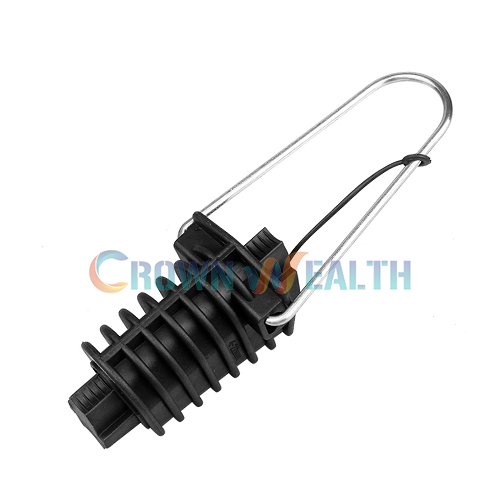
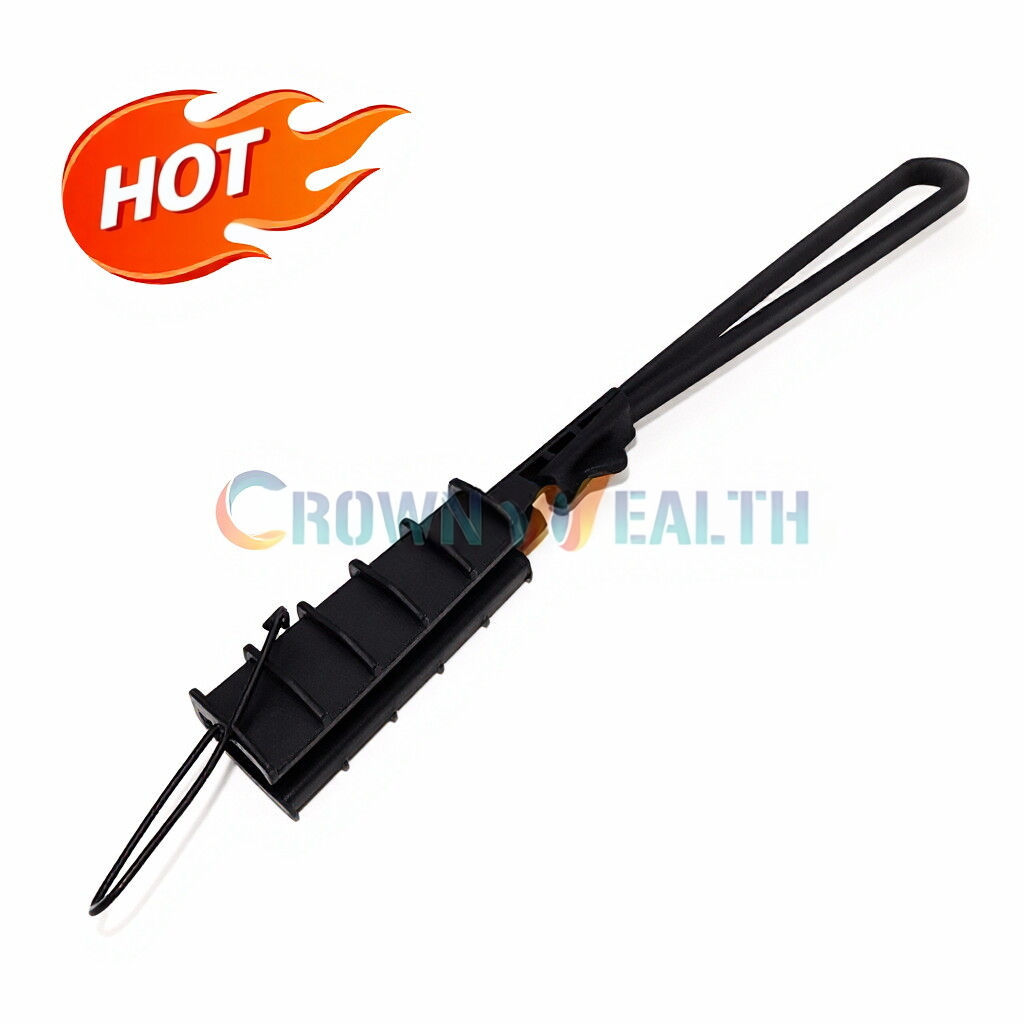
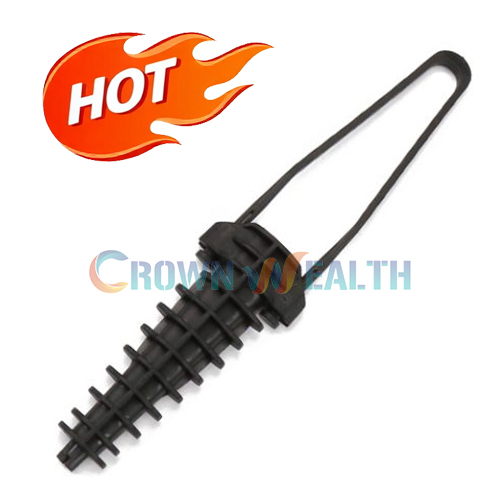
In addition to armor rods, our company also offers a range of related products that might be of interest to those exploring the intersection of engineering and music. For example, we have Preformed End Guy Grips, Dead End Guy Grips, and Cable Guy Grips. These products are designed to provide secure and reliable connections in various applications, and they share some of the same material and engineering principles as armor rods.
Conclusion and Call to Action
In conclusion, the idea of using armor rods in musical instruments is an intriguing one, but it comes with many challenges and considerations. While there is potential for creating unique and innovative musical instruments, further research and experimentation are needed.


If you're a musician, an instrument maker, or simply someone interested in exploring the possibilities of using armor rods in musical instruments, we'd love to hear from you. Our team of experts is available to discuss your ideas, provide technical information, and offer samples of our armor rods for testing. Whether you're looking to create a one - of - a - kind instrument or conduct research on new materials, we're here to support you. Contact us to start a conversation about how our armor rods could be a part of your next musical project.
References
- Acoustic Principles of Musical Instruments by John Backus
- The Physics of Music by David C. Taylor
- Handbook of Materials for Music Instruments by J. Rossing and T. D. Rossing