Hey there! As a link fitting supplier, I've been in the thick of understanding what makes these little but crucial components tick, especially when it comes to their wear-resistant properties. Link fittings are used in all sorts of industries, from construction to automotive, and their ability to withstand wear and tear is super important.
Let's start by talking about what wear resistance actually means. Wear resistance is a material's ability to resist damage caused by contact with another surface. This can happen in a bunch of ways, like abrasion, where one surface rubs against another, or erosion, which is often caused by the flow of liquid or gas over a surface. In the case of link fittings, they're often subject to mechanical stress and friction, so their wear resistance is key to their performance and longevity.
One of the main factors that affect the wear-resistant properties of link fittings is the material they're made from. Different materials have different levels of hardness, toughness, and corrosion resistance, all of which play a role in how well they can handle wear. For example, steel is a commonly used material for link fittings because it's strong and relatively inexpensive. But not all steel is created equal. High-carbon steel, for instance, is harder and more wear-resistant than low-carbon steel. It can withstand more friction and abrasion without losing its shape or integrity.
Another material that's popular for link fittings is stainless steel. Stainless steel has a high level of corrosion resistance, which means it can resist rust and other forms of oxidation. This is especially important in environments where the link fittings are exposed to moisture or chemicals. The chromium in stainless steel forms a protective layer on the surface, preventing oxygen and water from reaching the metal underneath. This not only helps with corrosion resistance but also contributes to its wear resistance, as a corroded surface is more likely to wear out quickly.
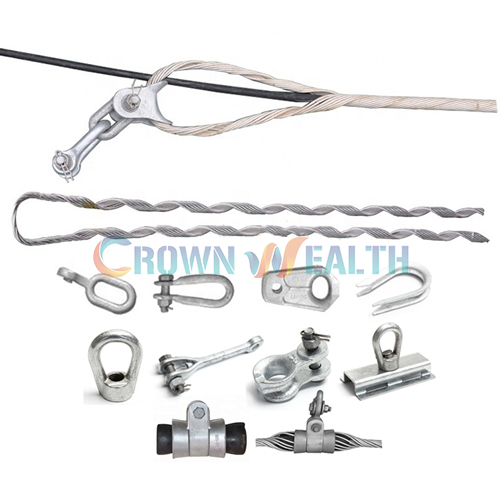
Now, let's talk about some specific types of link fittings and their wear-resistant properties. Take the UJ-Type U-Bolt for example. U-bolts are used to secure pipes, cables, and other objects to structures. They're often subject to a lot of tension and movement, which can cause wear over time. The UJ-Type U-Bolt is designed with a specific shape and material composition to enhance its wear resistance. Its rounded edges and smooth surface reduce friction, while the high-quality steel used in its construction ensures that it can withstand the stress of constant use.
The Hot Dip Galvanized Extension Ring is another interesting link fitting. The hot-dip galvanizing process involves coating the steel with a layer of zinc. This zinc coating provides an extra layer of protection against corrosion and wear. The zinc reacts with the environment to form a stable layer of zinc carbonate, which acts as a barrier between the steel and the elements. This not only extends the life of the extension ring but also improves its wear resistance, as the zinc layer can absorb some of the impact and friction.
The HDG Parallel Groove Clamp is used to connect two conductors in an electrical system. It needs to have good wear resistance to ensure a reliable connection over time. The HDG in its name stands for Hot Dip Galvanized, which means it has the same corrosion and wear-resistant benefits as the hot-dip galvanized extension ring. The parallel groove design of the clamp allows for a tight and secure fit, reducing the chances of movement and wear at the connection point.
In addition to the material and design, the manufacturing process also plays a role in the wear-resistant properties of link fittings. Heat treatment, for example, can improve the hardness and toughness of the material. By heating the steel to a specific temperature and then cooling it rapidly, the internal structure of the metal changes, making it more resistant to wear. Surface finishing techniques, such as polishing or coating, can also enhance the wear resistance by reducing friction and providing an extra layer of protection.
So, why is wear resistance so important for link fittings? Well, for starters, it saves money. A wear-resistant link fitting will last longer, which means you won't have to replace it as often. This reduces maintenance costs and downtime. In industries where link fittings are used in critical applications, such as aerospace or heavy machinery, the reliability and durability provided by wear-resistant link fittings can be a matter of safety. A worn-out link fitting could lead to equipment failure, which could have serious consequences.
If you're in the market for link fittings, you want to make sure you're getting the best ones with excellent wear-resistant properties. That's where we come in. As a link fitting supplier, we've got a wide range of products to meet your needs. Whether you need U-bolts, extension rings, parallel groove clamps, or any other type of link fitting, we've got you covered. Our products are made from high-quality materials and are manufactured using the latest techniques to ensure maximum wear resistance.


If you're interested in learning more about our link fittings or want to discuss your specific requirements, don't hesitate to reach out. We're here to help you find the right products for your application. Whether you're a small business or a large corporation, we can provide you with the link fittings you need at a competitive price. So, let's start a conversation and see how we can work together to get you the best wear-resistant link fittings on the market.
References
- "Materials Science and Engineering: An Introduction" by William D. Callister Jr. and David G. Rethwisch
- "Handbook of Corrosion Engineering" by Pierre R. Roberge