Sealing an aluminum joint box is a crucial process, especially in applications where protection against environmental factors is essential. As a reliable Aluminum Joint Box supplier, I have witnessed firsthand the importance of proper sealing techniques. In this blog, I will share comprehensive insights on how to effectively seal an aluminum joint box, ensuring its long - term performance and reliability.
Understanding the Importance of Sealing
Before delving into the sealing process, it's important to understand why sealing an aluminum joint box is so vital. Aluminum joint boxes are commonly used in various industries, including telecommunications, electrical, and power distribution. These boxes house important components such as cables, connectors, and splices. A well - sealed box protects these components from moisture, dust, dirt, and even chemical contaminants. Moisture, for example, can cause corrosion of the aluminum box and damage the internal components, leading to system failures and costly repairs.
Selecting the Right Sealant
The first step in sealing an aluminum joint box is choosing the appropriate sealant. There are several types of sealants available on the market, each with its own characteristics and suitability for different applications.
- Silicone Sealants: Silicone sealants are popular due to their excellent flexibility, weather resistance, and high - temperature tolerance. They can withstand a wide range of temperatures, from extreme cold to high heat, without losing their sealing properties. Silicone sealants also adhere well to aluminum surfaces and provide a reliable barrier against moisture.
- Polyurethane Sealants: Polyurethane sealants offer good adhesion and durability. They are resistant to abrasion, chemicals, and UV radiation. Polyurethane sealants are often used in outdoor applications where the joint box is exposed to harsh environmental conditions.
- Epoxy Sealants: Epoxy sealants are known for their high strength and chemical resistance. They provide a very strong bond and are suitable for applications where a high - performance seal is required. However, epoxy sealants are less flexible than silicone and polyurethane sealants.
When selecting a sealant, consider the specific requirements of your application, such as the operating temperature range, exposure to chemicals, and the level of flexibility needed.
Preparing the Aluminum Joint Box
Proper preparation of the aluminum joint box is essential for a successful sealing process.
- Cleaning: Thoroughly clean the surface of the joint box where the sealant will be applied. Use a mild detergent and water to remove any dirt, grease, or debris. Rinse the surface with clean water and allow it to dry completely. Any contaminants on the surface can prevent the sealant from adhering properly.
- Degreasing: In addition to cleaning, it may be necessary to degrease the surface. Use a degreasing agent specifically designed for aluminum surfaces. This will ensure that the sealant has a clean and dry surface to bond to.
- Surface Roughening: For some sealants, lightly roughening the surface of the aluminum can improve adhesion. Use fine - grit sandpaper to gently sand the area where the sealant will be applied. After sanding, clean the surface again to remove any dust particles.
Applying the Sealant
Once the joint box is prepared, it's time to apply the sealant.


- Using a Caulking Gun: Most sealants come in cartridges that can be used with a caulking gun. Cut the tip of the cartridge at a 45 - degree angle to create an opening of the appropriate size. Insert the cartridge into the caulking gun and apply steady pressure to dispense the sealant.
- Applying a Bead: Apply a continuous bead of sealant along the joint or seam where the box needs to be sealed. Make sure the bead is of uniform thickness and covers the entire area. For a better seal, use a putty knife or a similar tool to smooth the sealant and ensure it fills any gaps or voids.
- Sealing Gaskets: In some cases, gaskets can be used in combination with sealants. Place the gasket in the appropriate position and apply a thin layer of sealant on both sides of the gasket. This will enhance the sealing performance and provide additional protection.
Curing the Sealant
After applying the sealant, it needs to cure properly. The curing time depends on the type of sealant used and the environmental conditions.
- Silicone Sealants: Silicone sealants typically take 24 to 48 hours to fully cure. During the curing process, keep the joint box in a well - ventilated area and avoid any contact with the sealant.
- Polyurethane Sealants: Polyurethane sealants usually cure within 24 hours, but it may take up to 7 days for them to reach their full strength. Similar to silicone sealants, ensure proper ventilation during the curing process.
- Epoxy Sealants: Epoxy sealants have a relatively short curing time, usually a few hours. However, they may require a longer time to reach their maximum strength. Follow the manufacturer's instructions regarding the curing time and conditions.
Quality Control and Testing
Once the sealant has cured, it's important to conduct quality control and testing to ensure the effectiveness of the seal.
- Visual Inspection: Inspect the sealed area visually to check for any gaps, cracks, or unevenness in the sealant. If any issues are found, they should be addressed immediately.
- Leak Testing: For applications where a watertight or airtight seal is required, conduct leak testing. This can be done by applying pressure or a vacuum to the joint box and checking for any signs of leakage.
Conclusion
Sealing an aluminum joint box is a multi - step process that requires careful attention to detail. By selecting the right sealant, properly preparing the joint box, applying the sealant correctly, allowing it to cure, and conducting quality control and testing, you can ensure a reliable and long - lasting seal.
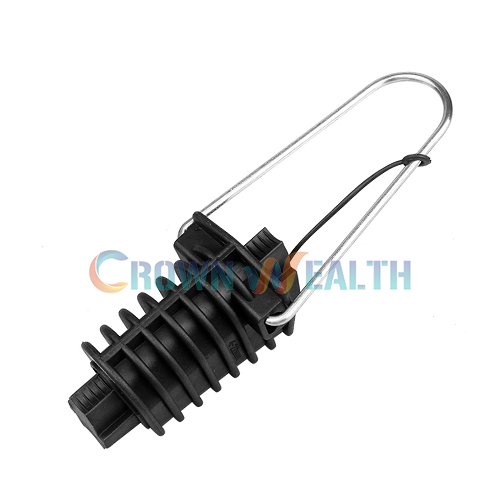
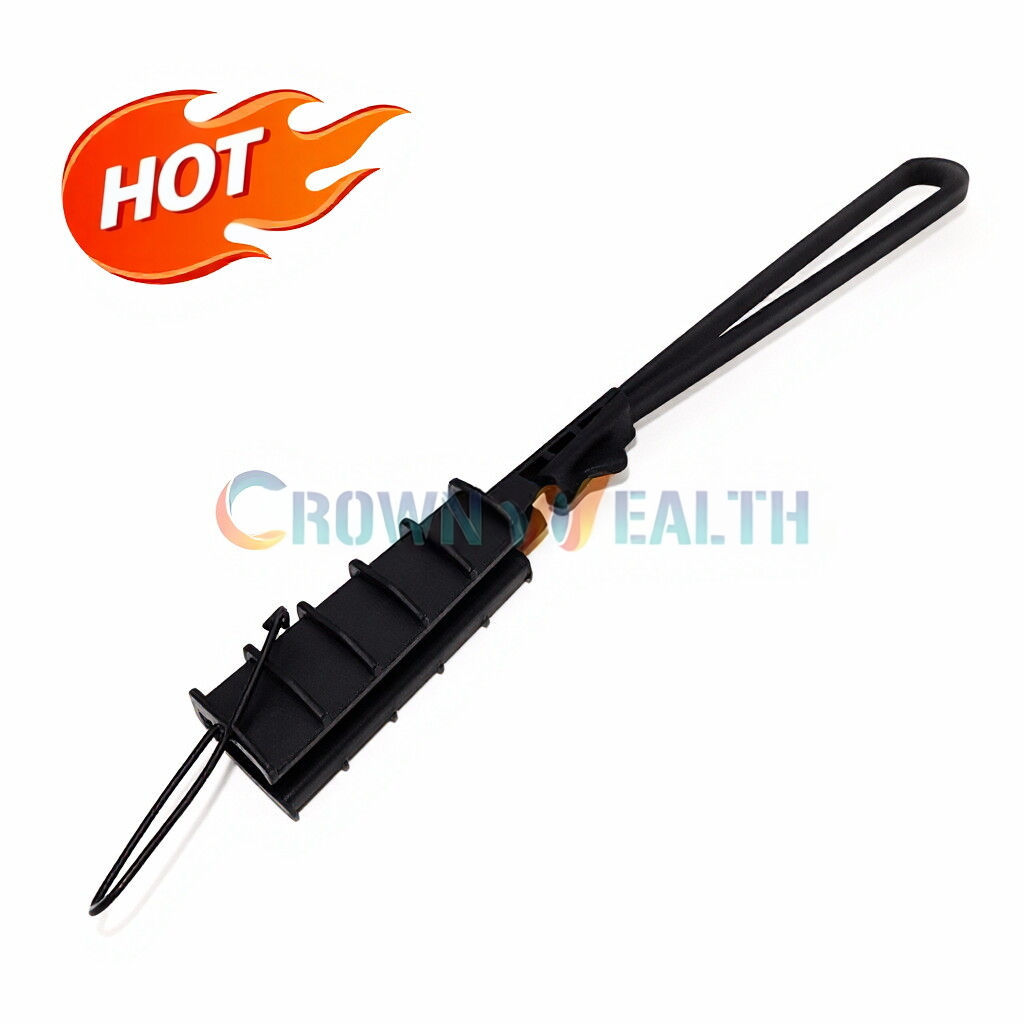
As an Aluminum Joint Box supplier, we offer high - quality Aluminum Joint Box products that are designed to meet the diverse needs of our customers. Our products are made from high - grade aluminum and are suitable for a wide range of applications. We also provide Aluminum Alloy Joint Box which offers enhanced strength and durability. In addition, our OPGW Strain Clamp products are designed to work in harmony with our joint boxes to provide a comprehensive solution for your fiber - optic cable fitting needs.
If you are interested in our products or have any questions about sealing aluminum joint boxes, please feel free to contact us for more information and to discuss your specific requirements. We look forward to partnering with you to provide the best solutions for your projects.
References
- "Sealants and Adhesives Handbook" by Robert M. Evans
- Manufacturer's technical data sheets for various sealants
- Industry standards and guidelines for aluminum joint box installation and sealing