OPGW (Optical Power Ground Wire) fittings play a crucial role in the reliable operation of power transmission and communication systems, especially in forest areas. As a trusted OPGW fitting supplier, I understand the unique challenges and requirements associated with installing these fittings in forested environments. In this blog post, I will delve into the essential installation requirements for OPGW fittings in forest areas, highlighting key considerations to ensure a successful and long - lasting installation.
Environmental Considerations
Forest areas present a distinct set of environmental conditions that must be taken into account during the installation of OPGW fittings. The presence of trees, wildlife, and varying weather patterns can impact the performance and longevity of the fittings.
Tree Proximity and Clearance
One of the primary concerns in forest areas is the proximity of trees to the OPGW cable and its fittings. Trees can pose a significant risk of physical damage to the cable due to branches falling or rubbing against it during storms or high winds. To mitigate this risk, a minimum clearance distance between the OPGW cable and trees should be maintained. Typically, a clearance of at least 3 - 5 meters is recommended, depending on the height and density of the trees. This clearance not only protects the cable from mechanical damage but also reduces the risk of electrical arcing between the cable and tree branches, which could lead to power outages or equipment failure.
Wildlife Interference
Wildlife in forest areas, such as squirrels, birds, and monkeys, can also cause problems for OPGW fittings. Squirrels, for example, may chew on the cable or fittings, while birds may build nests on them. To prevent wildlife interference, anti - climbing devices and bird guards can be installed. Anti - climbing devices are typically made of metal or plastic and are installed around the poles or towers to prevent animals from climbing up to the cable. Bird guards are designed to deter birds from perching or nesting on the fittings, reducing the risk of damage and blockages.
Weather and Climate
Forest areas often experience a wide range of weather conditions, including heavy rain, snow, strong winds, and extreme temperatures. These conditions can affect the performance and durability of OPGW fittings. For example, high humidity can cause corrosion of metal components, while extreme cold can make the cable and fittings more brittle. Therefore, it is essential to choose OPGW fittings that are designed to withstand the local weather conditions. Fittings made of corrosion - resistant materials, such as stainless steel or aluminum alloy, are recommended for areas with high humidity. Additionally, fittings should be designed to have a wide operating temperature range to ensure reliable performance in both hot and cold climates.
Technical Requirements for Installation
In addition to environmental considerations, there are several technical requirements that must be met during the installation of OPGW fittings in forest areas.
Cable Tension and Sag
Proper cable tension and sag are critical for the safe and efficient operation of OPGW systems. The tension of the cable should be adjusted to ensure that it is neither too tight nor too loose. If the cable is too tight, it may be more susceptible to damage from wind and ice loading, while if it is too loose, it may sag too much, increasing the risk of contact with trees or other objects. The sag of the cable should be calculated based on the span length, cable weight, and environmental conditions. In forest areas, it is important to consider the potential for tree growth over time, which may affect the sag of the cable. Regular inspections and adjustments of the cable tension and sag may be necessary to ensure optimal performance.
Fitting Selection and Installation
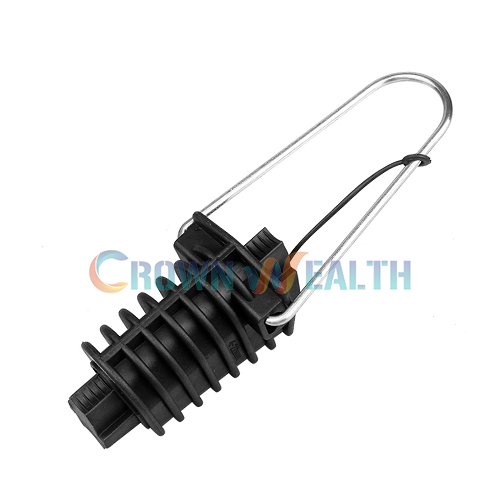
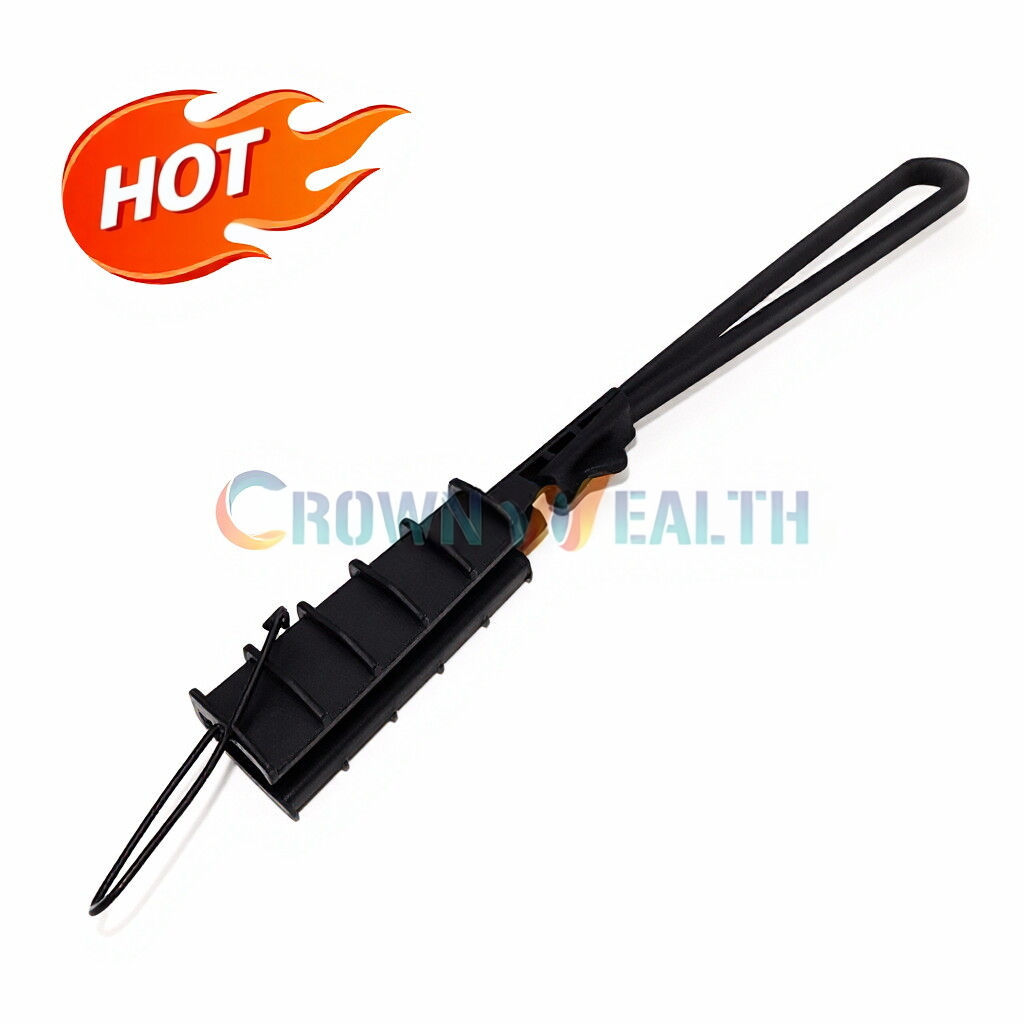
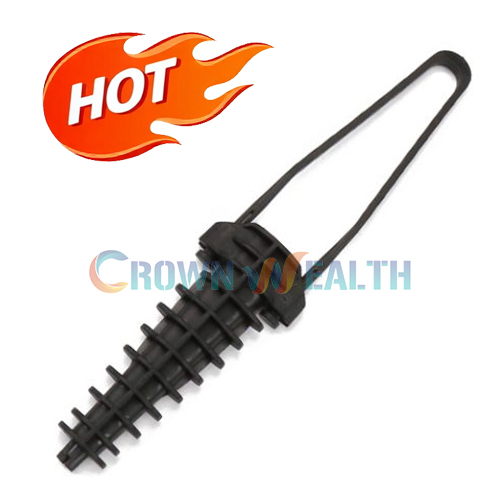
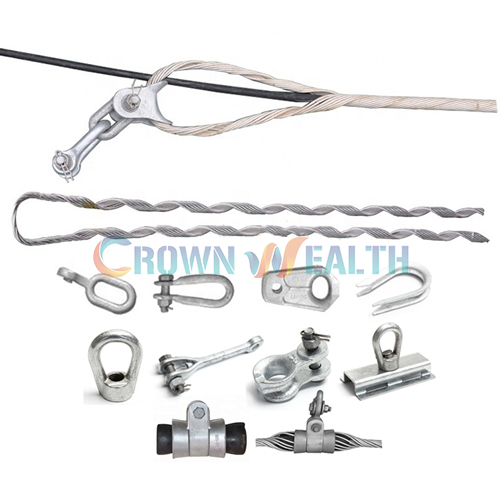
The selection of appropriate OPGW fittings is crucial for a successful installation. Different types of fittings are used for different applications, such as tensioning, supporting, and terminating the cable. For example, OPGW Preformed Helical Tension Clamp is commonly used to provide secure tensioning of the OPGW cable, while OPGW Strain Clamp is used to transfer the load from the cable to the pole or tower. When installing these fittings, it is important to follow the manufacturer's instructions carefully. Proper installation techniques, such as correct tightening torque and alignment, are essential to ensure the integrity and performance of the fittings.
Grounding and Lightning Protection
Grounding is an important aspect of OPGW installation, especially in forest areas where lightning strikes are more common. A proper grounding system helps to protect the cable and fittings from lightning damage by providing a low - resistance path for the lightning current to flow into the ground. The grounding system should include grounding electrodes, such as copper rods or plates, which are buried in the ground near the poles or towers. The grounding electrodes should be connected to the OPGW cable and fittings using grounding wires. Additionally, lightning arresters can be installed at regular intervals along the cable to further protect it from lightning strikes.
Installation Process and Safety Measures
The installation of OPGW fittings in forest areas requires careful planning and execution to ensure safety and efficiency.
Site Preparation
Before the installation begins, the site should be thoroughly prepared. This includes clearing the area around the poles or towers of any vegetation, debris, or obstacles. The poles or towers should be inspected for structural integrity and leveled if necessary. Additionally, access roads should be established to allow for the transportation of equipment and materials to the installation site.
Cable Installation
The cable installation process should be carried out with precision. The cable should be uncoiled carefully to avoid kinking or damage. It is recommended to use a cable pulling machine to ensure a smooth and controlled installation. During the installation, the cable should be supported at regular intervals to prevent excessive sagging. After the cable is installed, it should be tested for continuity and optical performance to ensure that it is functioning properly.
Fitting Installation
The installation of OPGW fittings should be carried out by trained and experienced technicians. Each fitting should be installed according to the manufacturer's instructions, and all connections should be tightened to the specified torque. After the fittings are installed, they should be inspected for proper alignment and functionality. Any loose or damaged fittings should be replaced immediately.


Safety Measures
Safety is of utmost importance during the installation of OPGW fittings in forest areas. Workers should wear appropriate personal protective equipment (PPE), such as hard hats, safety glasses, gloves, and safety harnesses. They should also be trained in safety procedures, such as working at heights, handling electrical equipment, and using tools safely. Additionally, a safety plan should be developed and implemented to address potential hazards, such as falling trees, wildlife encounters, and electrical shocks.
Cable Storage and Maintenance
Proper cable storage and maintenance are essential for the long - term performance of OPGW systems in forest areas.
Cable Storage
When storing OPGW cable, it should be kept in a dry, cool, and well - ventilated area. The cable should be protected from direct sunlight, moisture, and mechanical damage. If the cable is to be stored for an extended period, it should be coiled and stored on a cable reel. The Cable Storage Assembly can provide a convenient and safe way to store the cable, ensuring its integrity until it is ready for installation.
Maintenance
Regular maintenance of OPGW fittings is necessary to ensure their continued performance. This includes visual inspections of the fittings for signs of damage, corrosion, or wear. Any damaged or worn - out fittings should be replaced promptly. Additionally, the cable tension and sag should be checked regularly, and adjustments should be made as needed. The grounding system should also be inspected periodically to ensure that it is functioning properly.
Conclusion
Installing OPGW fittings in forest areas requires careful consideration of both environmental and technical factors. By following the installation requirements outlined in this blog post, including maintaining proper clearances from trees, selecting appropriate fittings, ensuring proper cable tension and sag, and implementing effective grounding and lightning protection measures, a reliable and long - lasting OPGW system can be established.
As a leading OPGW fitting supplier, we offer a wide range of high - quality fittings that are designed to meet the specific requirements of forest areas. Our products are manufactured using the latest technology and materials to ensure superior performance and durability. If you are planning an OPGW installation in a forest area, we would be more than happy to assist you. Please contact us to discuss your project requirements and explore how our OPGW fittings can help you achieve a successful installation.
References
- IEEE Std 524™ - 2016, IEEE Guide to the Installation of Overhead Transmission Line Conductors.
- CIGRE Brochure 629, Optical Fibre Cables in Overhead Power Lines: Design, Installation, and Maintenance.
- International Electrotechnical Commission (IEC) standards related to OPGW cables and fittings.