As a seasoned supplier in the vibration damper industry, I've witnessed firsthand the pivotal role these components play in various mechanical and structural systems. Vibration dampers are essential for mitigating the harmful effects of vibrations, ensuring the longevity and optimal performance of equipment. One of the most common questions I encounter from clients is the difference between single - stage and multi - stage vibration dampers. In this blog, I'll delve into the intricacies of these two types of dampers, shedding light on their unique features, applications, and advantages.
Understanding the Basics: Single - Stage Vibration Dampers
A single - stage vibration damper is a relatively straightforward device designed to absorb and dissipate vibration energy in a single step. It typically consists of a mass, a spring, and a damping element. When a vibrating force is applied, the mass moves against the spring, and the damping element converts the kinetic energy of the vibration into heat, which is then dissipated into the surrounding environment.
The simplicity of single - stage dampers is one of their key advantages. They are generally more cost - effective to manufacture, making them an attractive option for budget - conscious projects. Additionally, their straightforward design means they are easier to install and maintain. For applications where the vibration frequency is relatively constant and the amplitude is not too high, single - stage dampers can provide adequate vibration control.


For example, in small - scale machinery such as household appliances or light - duty industrial equipment, single - stage dampers can effectively reduce vibrations and noise. They are also commonly used in automotive applications for components like engines and transmissions, where they help to smooth out vibrations and improve the overall driving experience.
Unveiling the Complexity: Multi - Stage Vibration Dampers
Multi - stage vibration dampers, on the other hand, are more sophisticated devices that use multiple damping mechanisms to address a wider range of vibration frequencies and amplitudes. These dampers typically consist of two or more sets of springs and damping elements arranged in series or parallel.
The primary advantage of multi - stage dampers is their ability to adapt to varying vibration conditions. They can effectively dampen vibrations across a broader frequency spectrum, making them suitable for applications where the vibration characteristics are complex and dynamic. For instance, in large - scale industrial machinery, such as power generators or heavy - duty manufacturing equipment, the vibrations can be highly variable in frequency and amplitude. Multi - stage dampers can better handle these challenging conditions, providing superior vibration control and protecting the equipment from damage.
Another benefit of multi - stage dampers is their enhanced damping performance. By using multiple damping stages, these dampers can achieve a higher level of energy dissipation, resulting in more effective vibration reduction. This can lead to improved equipment reliability, reduced maintenance costs, and increased productivity.
Key Differences in Design and Function
One of the most significant differences between single - stage and multi - stage dampers lies in their design. Single - stage dampers have a simple, one - dimensional design, with a single mass - spring - damper system. In contrast, multi - stage dampers have a more complex, multi - dimensional design, with multiple mass - spring - damper systems working together.
Functionally, single - stage dampers are optimized for a specific vibration frequency range. They work best when the vibration frequency remains relatively stable. If the frequency deviates significantly from the design frequency, the damping performance of single - stage dampers may degrade. Multi - stage dampers, however, are more versatile. They can adjust to changes in vibration frequency and amplitude, providing consistent damping performance across a wider range of operating conditions.
Application - Specific Considerations
When choosing between a single - stage and a multi - stage vibration damper, it's crucial to consider the specific application requirements. Here are some factors to keep in mind:
- Vibration Characteristics: Analyze the frequency and amplitude of the vibrations in your system. If the vibrations are relatively stable and within a narrow frequency range, a single - stage damper may be sufficient. However, if the vibrations are complex and variable, a multi - stage damper is likely a better choice.
- Cost: Single - stage dampers are generally more affordable than multi - stage dampers. If cost is a major concern and the application does not require high - end vibration control, a single - stage damper can be a cost - effective solution.
- Space Constraints: The physical size of the damper can be a limiting factor in some applications. Single - stage dampers are typically more compact, making them suitable for installations where space is limited. Multi - stage dampers, due to their more complex design, may require more space.
Our Product Range
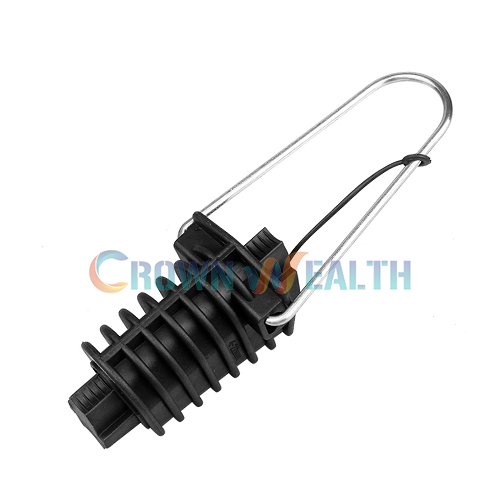
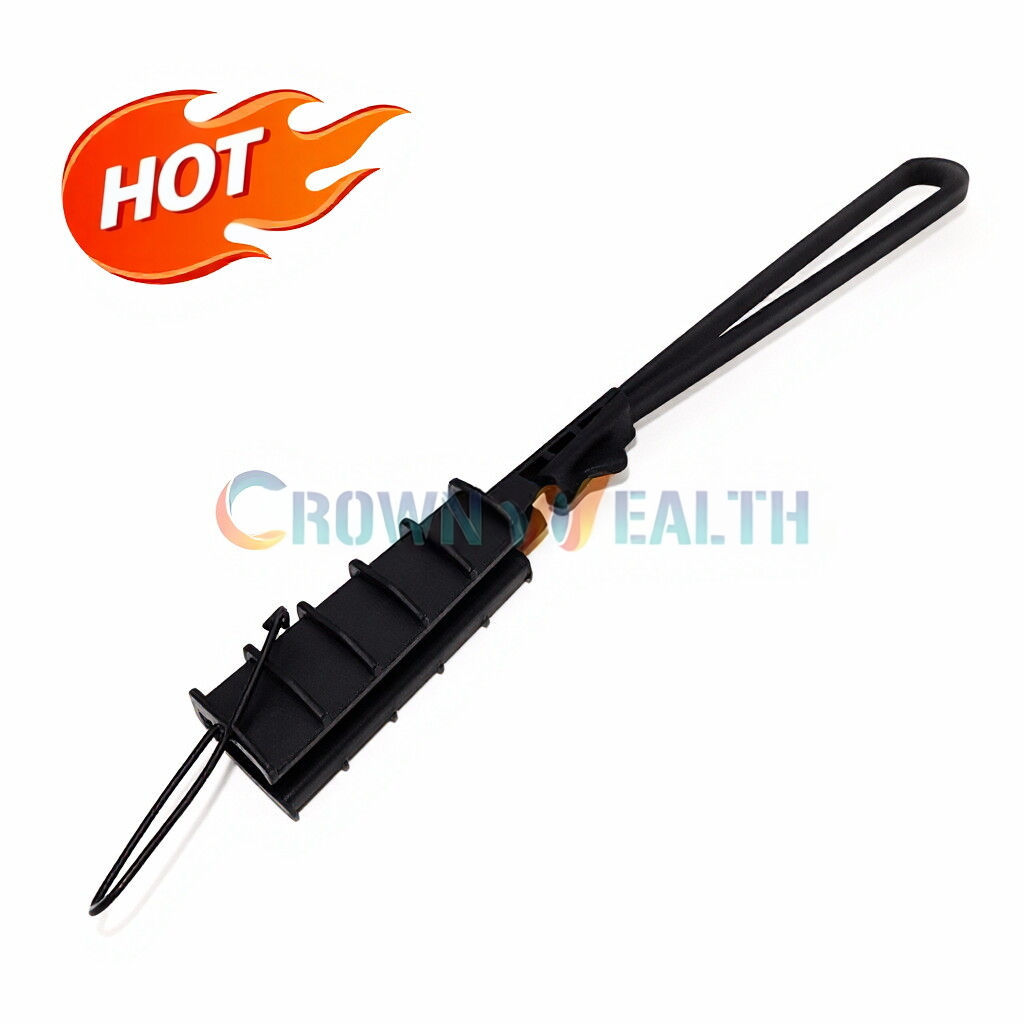
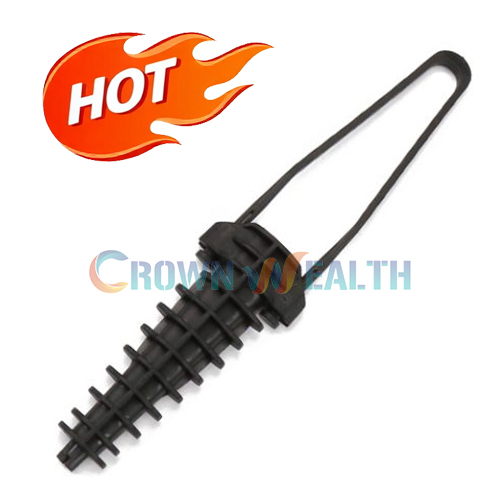
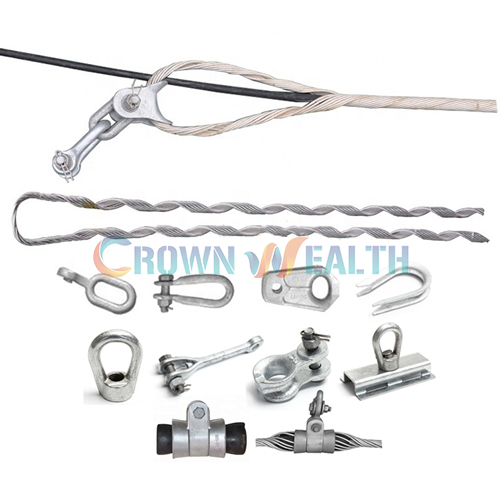
As a leading vibration damper supplier, we offer a wide range of high - quality single - stage and multi - stage dampers to meet the diverse needs of our customers. Our Hot Dip Galvanized Dampers are designed to provide excellent corrosion resistance, making them suitable for outdoor and harsh environments. The Square Spacer Damper is a unique product that offers both vibration damping and spacing functions, ideal for applications where precise alignment is required. And our Dead End Guy Grips are essential for securing cables and providing additional support in electrical and telecommunications systems.
Conclusion
In conclusion, the choice between a single - stage and a multi - stage vibration damper depends on the specific requirements of your application. Single - stage dampers are simple, cost - effective, and suitable for applications with relatively stable vibration conditions. Multi - stage dampers, on the other hand, offer superior performance and versatility, making them ideal for complex and dynamic vibration environments.
If you're unsure which type of vibration damper is right for your project, our team of experts is here to help. We can provide in - depth technical advice and guidance to ensure you select the most appropriate damper for your needs. Contact us today to start a discussion about your vibration control requirements and explore our comprehensive product range. We look forward to partnering with you to achieve optimal vibration control and equipment performance.
References
- "Vibration Control Handbook" by J. W. Sutherland and A. G. Pavlovic
- "Mechanical Vibrations" by S. S. Rao