As a supplier of spiral vibration dampers, I often get asked about the suitability of our products in various environmental conditions, especially high - humidity environments. In this blog post, I will delve into this topic, exploring the technical aspects, potential challenges, and solutions when using spiral vibration dampers in such conditions.
Understanding Spiral Vibration Dampers
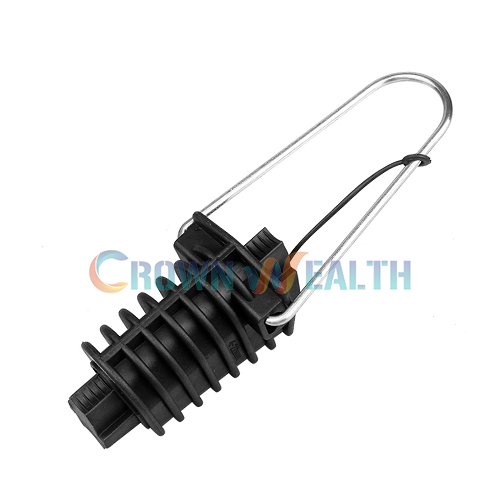
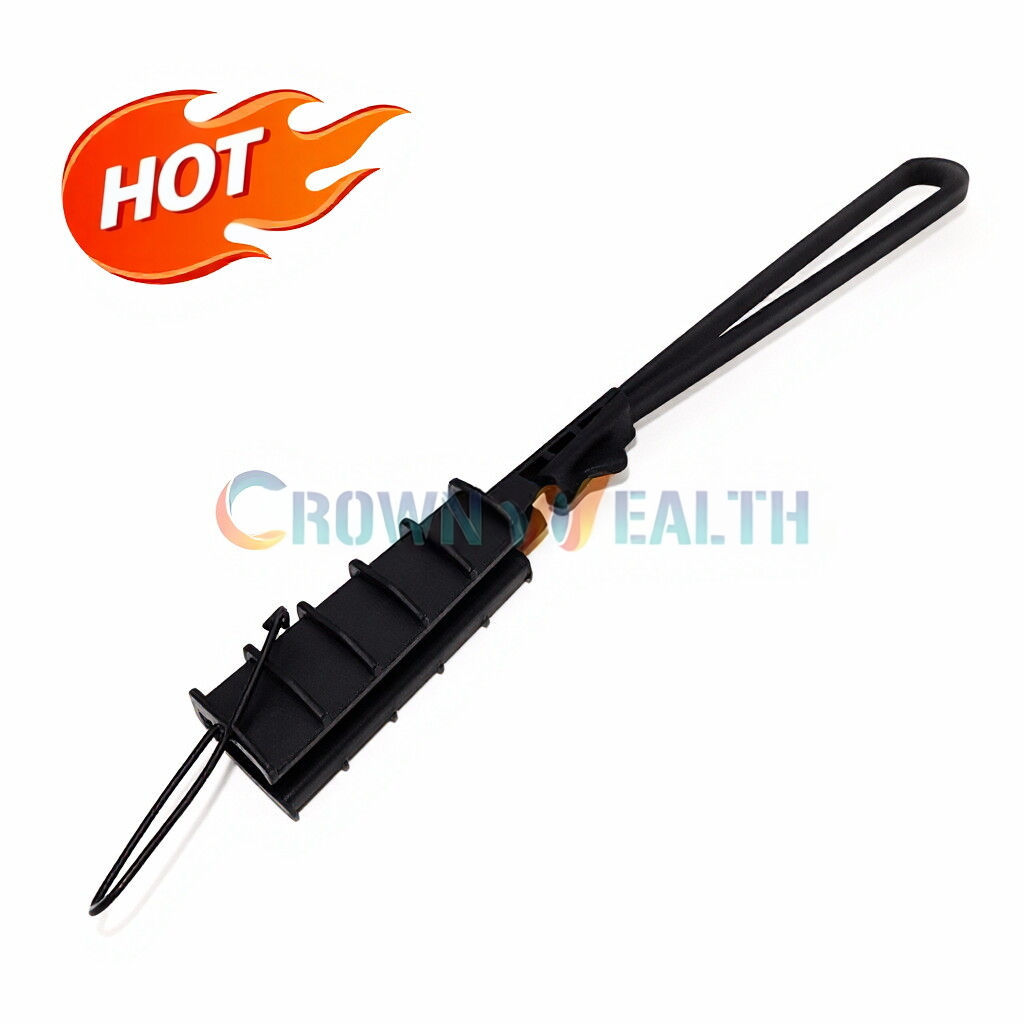
Spiral vibration dampers, also known as Helical Spiral Vibration Damper, are essential components in many industries, particularly in power transmission and telecommunications. Their primary function is to reduce the vibration of overhead lines, cables, and other structures caused by wind, mechanical forces, or electrical currents. By dissipating the energy of vibration, these dampers help prevent fatigue damage, which can lead to premature failure of the structures they protect.
The design of spiral vibration dampers typically consists of a helical wire wound around a central core. This unique design allows the damper to effectively absorb and dissipate the vibrational energy through the friction and deformation of the wire as it moves. The materials used in the construction of these dampers are carefully selected to ensure durability, flexibility, and resistance to various environmental factors.
Challenges in High - Humidity Environments
High - humidity environments present several challenges for spiral vibration dampers. One of the most significant issues is corrosion. When the dampers are exposed to high levels of moisture, the metal components can rust and corrode over time. Corrosion not only weakens the structural integrity of the damper but also reduces its effectiveness in damping vibrations. As the metal corrodes, the wire may become brittle and break, leading to a loss of damping performance.
Another challenge is the growth of mold and mildew. In humid conditions, mold and mildew can thrive on the surface of the damper. This not only affects the appearance of the damper but can also cause damage to the materials. Mold and mildew can penetrate the protective coatings of the damper, leading to further corrosion and degradation.


In addition, high humidity can also affect the electrical properties of the damper if it is used in electrical applications. Moisture can increase the conductivity of the surrounding air, which may lead to electrical leakage or short - circuits. This can pose a significant safety risk, especially in high - voltage power transmission systems.
Technical Solutions for High - Humidity Use
To address the challenges posed by high - humidity environments, we have developed several technical solutions for our spiral vibration dampers.
Material Selection
We use high - quality corrosion - resistant materials in the manufacturing of our dampers. For example, stainless steel is often used for the wire and core components. Stainless steel has excellent resistance to corrosion, even in highly humid and corrosive environments. It can withstand the effects of moisture, salt spray, and other corrosive substances, ensuring the long - term durability of the damper.
In addition to stainless steel, we also use special coatings on the surface of the dampers. These coatings act as a barrier between the metal and the environment, preventing moisture and other corrosive agents from coming into contact with the metal. The coatings are designed to be highly resistant to abrasion, UV radiation, and chemical attacks, providing an extra layer of protection for the damper.
Design Improvements
Our design engineers have also made several improvements to the design of our spiral vibration dampers to enhance their performance in high - humidity environments. For example, we have optimized the pitch and diameter of the helical wire to reduce the accumulation of moisture on the surface of the damper. By increasing the spacing between the wire turns, we allow for better air circulation, which helps to dry the damper more quickly and prevent the growth of mold and mildew.
We also incorporate drainage channels into the design of the damper. These channels are designed to collect and drain any moisture that accumulates on the surface of the damper. By effectively removing the moisture, we reduce the risk of corrosion and other moisture - related problems.
Testing and Quality Control
Before our spiral vibration dampers are released to the market, they undergo rigorous testing in simulated high - humidity environments. We use environmental chambers to create conditions with high humidity levels and temperature variations to simulate real - world scenarios. During the testing process, we monitor the performance of the dampers, including their damping effectiveness, corrosion resistance, and electrical properties.
We also have a strict quality control system in place to ensure that every damper meets our high standards. Our quality control team inspects each damper before it leaves the factory, checking for any signs of damage, corrosion, or other defects. Only dampers that pass our quality control tests are shipped to our customers.
Case Studies
To demonstrate the effectiveness of our spiral vibration dampers in high - humidity environments, let's look at some real - world case studies.
In a coastal power transmission project, our dampers were installed on overhead lines in an area with high humidity and salt spray. After several years of operation, the dampers showed no signs of significant corrosion or performance degradation. The use of stainless steel and protective coatings ensured that the dampers remained in good condition, effectively reducing the vibration of the power lines and preventing fatigue damage.
In a telecommunications project in a tropical rainforest, our dampers were used to protect the cables from wind - induced vibration. Despite the high humidity and frequent rainfall in the area, the dampers continued to function properly. The design improvements, such as the drainage channels and optimized wire pitch, helped to keep the dampers dry and free from mold and mildew.
Complementary Products
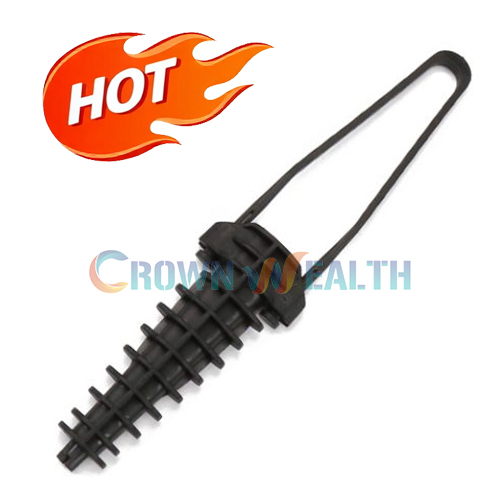
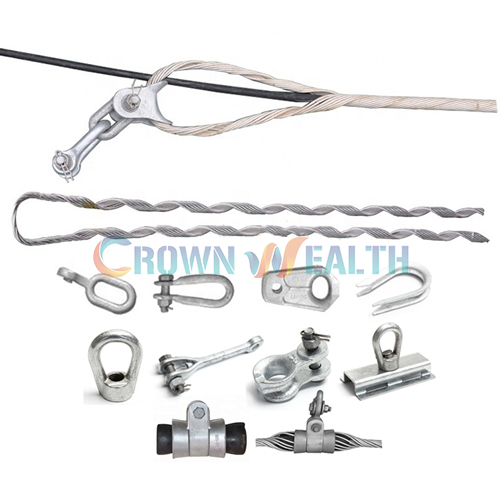
In addition to spiral vibration dampers, we also offer a range of complementary products that can be used in high - humidity environments. For example, our Preformed End Guy Grips are designed to provide a secure connection between the guy wires and the structures. These grips are also made from corrosion - resistant materials and are suitable for use in humid conditions.
Our Square Spacer Damper is another product that can be used in conjunction with spiral vibration dampers. Square spacer dampers are used to maintain the spacing between multiple cables and also help to reduce vibration. They are also designed to withstand high - humidity environments, with similar corrosion - resistant materials and design features.
Conclusion
In conclusion, spiral vibration dampers can be used in high - humidity environments with the right technical solutions. By using high - quality corrosion - resistant materials, making design improvements, and implementing strict testing and quality control measures, we can ensure that our dampers perform effectively and reliably in such conditions.
If you are looking for spiral vibration dampers or other protective fittings for your project in a high - humidity environment, please feel free to contact us for more information. Our team of experts is ready to provide you with the best solutions and support for your specific needs. We look forward to the opportunity to discuss your requirements and work with you on your next project.
References
- ASTM International. (Year). Standard test methods for evaluating the corrosion resistance of metals. ASTM Publication.
- International Electrotechnical Commission (IEC). (Year). Standards for electrical equipment in high - humidity environments. IEC Publication.
- Manufacturer's technical documentation on spiral vibration dampers and related products.