As a supplier of Double Yoke Plates, I often receive inquiries about the proper storage methods for these essential components. Double Yoke Plates are widely used in various industries, especially in electrical and construction fields, to connect and support different parts of structures. Ensuring their proper storage is crucial to maintain their quality and performance over time. In this blog post, I will share some scientific and practical tips on how to store Double Yoke Plates effectively.
Understanding the Characteristics of Double Yoke Plates
Before discussing storage methods, it's important to understand the characteristics of Double Yoke Plates. These plates are typically made of metal, such as steel or aluminum, which makes them durable but also susceptible to corrosion and damage. They come in different sizes and shapes, depending on their specific applications, and may have holes or other features for connection purposes.


Factors Affecting Storage
Several factors can affect the storage of Double Yoke Plates, including environmental conditions, handling practices, and the presence of other materials. Here are some key factors to consider:
1. Temperature and Humidity
Extreme temperatures and high humidity can cause metal to rust and corrode. Double Yoke Plates should be stored in a dry and cool environment, ideally with a relative humidity below 60% and a temperature between 10°C and 30°C. Avoid storing them in areas prone to moisture, such as basements or near water sources.
2. Exposure to Chemicals
Chemicals, such as acids, alkalis, and salts, can react with the metal surface of Double Yoke Plates and cause corrosion. Keep them away from areas where chemicals are used or stored, and avoid contact with cleaning agents or other substances that may contain corrosive elements.
3. Physical Damage
Double Yoke Plates can be easily damaged during handling and storage. They should be stored in a way that prevents them from being scratched, dented, or bent. Avoid stacking them too high or placing heavy objects on top of them, as this can cause deformation.
4. Contamination
Dirt, dust, and other contaminants can accumulate on the surface of Double Yoke Plates and affect their performance. Store them in a clean environment and protect them from exposure to dirt and debris.
Storage Methods
Based on the above factors, here are some recommended storage methods for Double Yoke Plates:
1. Indoor Storage
Indoor storage is the best option for Double Yoke Plates, as it provides better protection against environmental factors. They can be stored in a warehouse, storage room, or other enclosed space. Make sure the storage area is well-ventilated and free from moisture.
2. Shelving or Racking
Use shelving or racking systems to store Double Yoke Plates. This helps to keep them organized and prevents them from being damaged. Make sure the shelves or racks are strong enough to support the weight of the plates and are installed securely.
3. Packaging
Double Yoke Plates should be properly packaged before storage. They can be wrapped in plastic or other protective materials to prevent them from being scratched or damaged. Label the packages with the product name, size, and quantity to make it easier to identify them.
4. Separation
Store Double Yoke Plates separately from other materials, especially those that may cause corrosion or damage. Keep them away from metal scraps, welding rods, and other items that may contain contaminants.
5. Inspection
Regularly inspect the stored Double Yoke Plates for signs of corrosion, damage, or other issues. If any problems are found, take appropriate measures to address them immediately.
Additional Tips
Here are some additional tips to help you store Double Yoke Plates effectively:
1. Use Rust Inhibitors
Apply a rust inhibitor to the surface of Double Yoke Plates before storage. This can help to prevent corrosion and extend their lifespan.
2. Keep Records
Keep records of the storage conditions, including temperature, humidity, and inspection results. This can help you to identify any potential issues and take appropriate measures to address them.
3. Train Employees
Train your employees on the proper handling and storage of Double Yoke Plates. Make sure they understand the importance of following the recommended storage methods and take appropriate precautions to prevent damage.
4. Consider Accessories
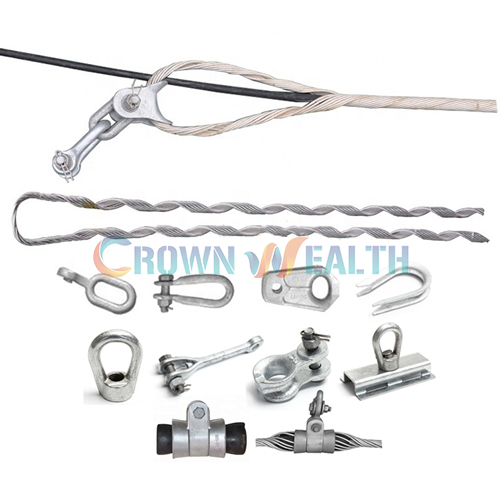
In addition to Double Yoke Plates, you may also need to store other accessories, such as Hot Dip Galvanized Shackle, Preformed Ground Wire Tension Set Clamp, and YL Type Extension Rod. Make sure to store these accessories in a similar manner to the Double Yoke Plates to ensure their quality and performance.
Conclusion
Proper storage of Double Yoke Plates is essential to maintain their quality and performance over time. By understanding the characteristics of these plates and following the recommended storage methods, you can ensure that they are protected from corrosion, damage, and other issues. If you have any questions or need further information about storing Double Yoke Plates, please feel free to contact us. We are a leading supplier of Double Yoke Plates and other related products, and we are committed to providing our customers with high-quality products and excellent service. If you are interested in purchasing Double Yoke Plates or other products from us, please do not hesitate to reach out for procurement discussions.
References
- ASM Handbook Volume 13A: Corrosion: Fundamentals, Testing, and Protection.
- ASTM International Standards on Metal Storage and Handling.