Can a cable storage assembly be used in a data center?
As a supplier of Cable Storage Assemblies, I often encounter inquiries from customers regarding the applicability of our products in data centers. In this blog post, I'll delve into the details to explore whether a cable storage assembly can be effectively used in a data center environment.
The Role of Cable Management in Data Centers
Data centers are the nerve - centers of modern digital infrastructure, housing a vast amount of servers, networking equipment, and storage systems. These facilities generate an enormous amount of data traffic, and the cables that connect these devices play a crucial role in ensuring seamless operation. Effective cable management is essential in data centers for several reasons.
Firstly, proper cable management improves airflow within the data center. In a data center, servers and other equipment generate a significant amount of heat. Unorganized cables can obstruct the airflow, leading to overheating issues, which can ultimately cause system failures and reduce the lifespan of the equipment. Secondly, it enhances the ease of maintenance. With organized cables, technicians can quickly identify, access, and replace faulty cables, minimizing downtime. Finally, it reduces the risk of cable damage. Tangled or poorly managed cables are more likely to be accidentally pulled, bent, or pinched, which can lead to signal loss or complete cable failure.
What is a Cable Storage Assembly?
A Cable Storage Assembly is a device designed to store excess cable length in an organized and efficient manner. It typically consists of a spool or a series of trays where the cable can be neatly wound or coiled. This not only helps in keeping the cables organized but also provides a convenient way to access and manage the cable when needed.
The cable storage assembly comes in various sizes and configurations to accommodate different types of cables, such as fiber - optic cables, copper cables, and power cables. Some assemblies are designed for indoor use, while others are suitable for outdoor environments. They can be wall - mounted, rack - mounted, or placed on the floor, depending on the specific requirements of the installation.
Advantages of Using Cable Storage Assemblies in Data Centers
- Space Optimization
Data centers are often space - constrained environments. A cable storage assembly allows for the efficient use of available space by neatly storing excess cable length. Instead of having long, loose cables lying around, the cables can be coiled and stored in the assembly, reducing clutter and making the most of the limited floor space. - Improved Cable Protection
The assembly provides a protective enclosure for the cables. It shields the cables from physical damage, such as being stepped on, snagged, or crushed. Additionally, it can protect the cables from environmental factors, such as dust, moisture, and temperature fluctuations, which can degrade the cable performance over time. - Easier Cable Identification and Access
With a cable storage assembly, each cable can be clearly labeled and organized. This makes it much easier for technicians to identify and access the specific cable they need. In a large data center with thousands of cables, this can save a significant amount of time during maintenance and troubleshooting operations. - Flexibility for Future Expansion
As data centers grow and evolve, there is often a need to add new cables or replace existing ones. A cable storage assembly provides the flexibility to easily manage these changes. Excess cable can be stored in the assembly during the initial installation, and additional cable can be added or removed as needed without causing major disruptions to the existing cable infrastructure.
Considerations When Using Cable Storage Assemblies in Data Centers
- Cable Type Compatibility
It is important to ensure that the cable storage assembly is compatible with the type of cables used in the data center. Different cables have different bending radii, diameters, and flexibility requirements. For example, fiber - optic cables are more sensitive to bending than copper cables, and the assembly should be designed to accommodate the specific bending requirements of the fiber - optic cables to avoid signal loss. - Installation Location
The location of the cable storage assembly within the data center is crucial. It should be installed in a location that is easily accessible for maintenance but does not interfere with the normal operation of the equipment. Additionally, it should be placed in an area with good airflow to prevent overheating of the cables. - Capacity Planning
Proper capacity planning is essential when using cable storage assemblies. The assembly should have enough capacity to store all the excess cable length in the data center. Underestimating the capacity can lead to overcrowding of the assembly, which can make it difficult to manage the cables and may also increase the risk of cable damage.
Complementary Products for Data Centers
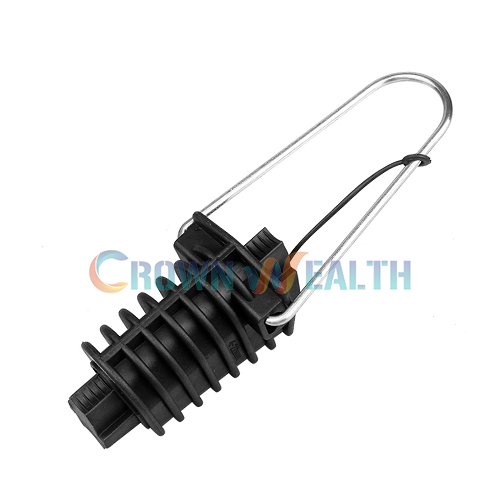
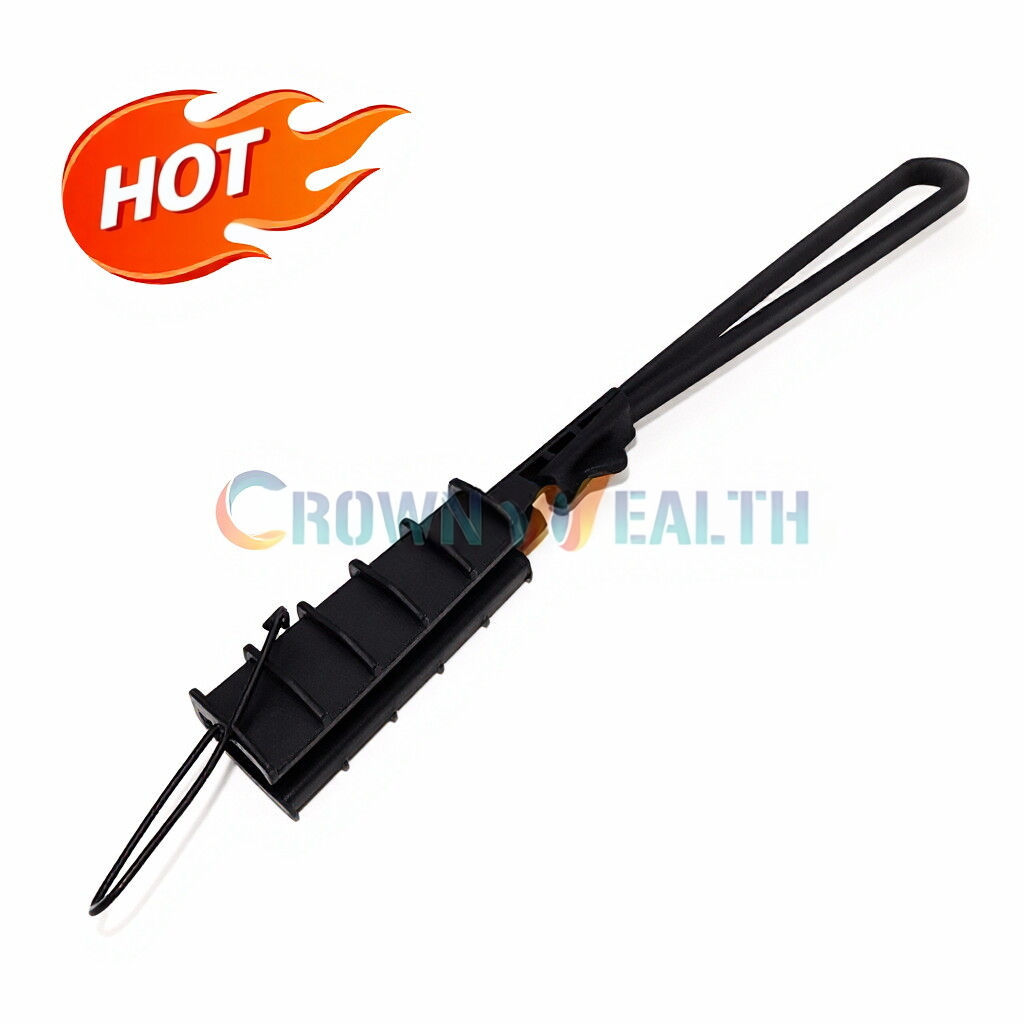
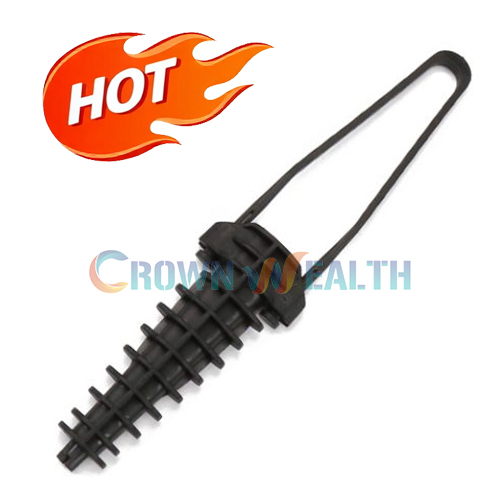
In addition to cable storage assemblies, there are other products that can be used in data centers to enhance cable management. For example, Tension Clamp for Overhead Line can be used to secure cables in place, preventing them from sagging or moving. These clamps are especially useful for overhead cable installations in data centers.
Another useful product is the Aluminum Alloy Joint Box. This box is used to protect the cable joints from environmental factors and physical damage. It provides a sealed and secure environment for the cable joints, ensuring reliable signal transmission.


Conclusion
In conclusion, a cable storage assembly can be a valuable addition to a data center. It offers numerous advantages, including space optimization, improved cable protection, easier cable identification and access, and flexibility for future expansion. However, it is important to consider factors such as cable type compatibility, installation location, and capacity planning when using these assemblies.
If you are interested in learning more about our cable storage assemblies or other related products for your data center, we encourage you to reach out to us for a detailed discussion. Our team of experts can help you select the right products and provide you with customized solutions based on your specific requirements. Let's work together to create a more organized, efficient, and reliable data center environment.
References
- "Data Center Cabling Best Practices" by Data Center Journal
- "Cable Management Handbook" by Industry Standard Publications
- "Fiber - Optic Cable Installation and Maintenance Guide" by Telecommunications Industry Association