Are there any safety precautions for OPGW cable storage?
As a provider of OPGW Cable Storage solutions, I understand the significance of proper storage for OPGW (Optical Ground Wire) cables. OPGW cables play a crucial role in power transmission and communication systems, combining the functions of grounding and optical communication. Ensuring their safety during storage is essential to maintain their performance and longevity. In this blog, I will discuss some important safety precautions for OPGW cable storage.
1. Storage Environment
The storage environment is the first and foremost factor to consider. OPGW cables should be stored in a dry, clean, and well - ventilated area. High humidity can cause corrosion of the metal components in the OPGW cable, such as the steel wires and the aluminum sheath. Moisture can also penetrate the optical fibers, leading to signal attenuation and potential fiber breakage.
A temperature - controlled environment is also recommended. Extreme temperatures, either too high or too low, can have a negative impact on the cable. High temperatures can cause the cable sheath to soften and deform, while low temperatures can make the cable more brittle and prone to cracking. The ideal temperature range for OPGW cable storage is between 0°C and 40°C.
The storage area should be protected from direct sunlight and ultraviolet radiation. Prolonged exposure to sunlight can degrade the cable sheath material, reducing its mechanical strength and protective properties. It is advisable to store the cables in a shaded area or use covers to block the sunlight.
2. Cable Handling
Proper cable handling during storage is crucial to prevent physical damage. When moving the OPGW cables, use appropriate lifting equipment, such as cranes or forklifts, and ensure that the cables are lifted and supported evenly. Avoid dragging the cables on the ground, as this can cause abrasion to the cable sheath and internal components.
Cables should be stored on racks or pallets to keep them off the ground. This helps to prevent damage from moisture, dirt, and rodents. The racks should be sturdy and well - designed to support the weight of the cables without causing deformation. The cables should be arranged neatly on the racks, and there should be enough space between the cables to allow for proper ventilation.
When coiling the cables for storage, make sure the coils are not too tight. Over - tightening the coils can cause stress on the optical fibers and the cable structure, leading to potential damage. The coils should have a diameter of at least 20 times the outer diameter of the cable.
3. Protection from External Factors
OPGW cables should be protected from mechanical damage during storage. This includes protecting them from impacts, scratches, and cuts. Avoid placing heavy objects on top of the cables, as this can cause crushing damage. In areas where there is a risk of mechanical damage, such as near construction sites or high - traffic areas, additional protective barriers can be installed around the cable storage area.


Rodents and insects can also pose a threat to OPGW cables. They may chew on the cable sheath, exposing the internal components to damage. To prevent rodent and insect infestation, keep the storage area clean and free of food sources. Seal any holes or cracks in the storage facility to prevent entry. You can also use rodent - proof and insect - proof materials to wrap the cables.
4. Monitoring and Inspection
Regular monitoring and inspection of the stored OPGW cables are essential to detect any potential problems early. Check the cable sheath for signs of damage, such as cracks, abrasions, or discoloration. Inspect the cable ends to ensure they are properly sealed and protected.
Measure the temperature and humidity in the storage area regularly to ensure they are within the recommended range. Use hygrometers and thermometers to monitor these parameters. If the temperature or humidity is outside the ideal range, take appropriate measures to adjust the environment, such as using dehumidifiers or air - conditioning units.
Inspect the cable racks and pallets for any signs of damage or instability. Make sure the cables are still properly arranged on the racks and that there are no signs of sagging or shifting.
5. Compatibility with Accessories
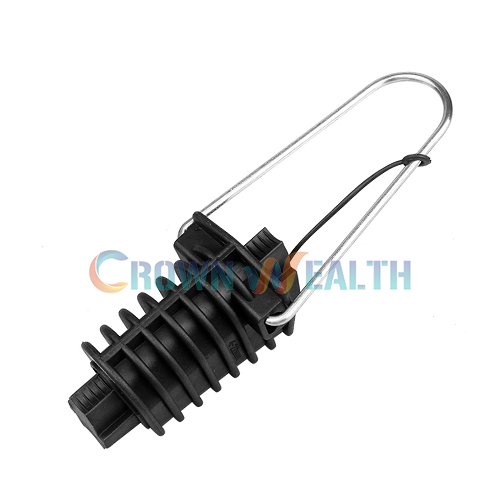
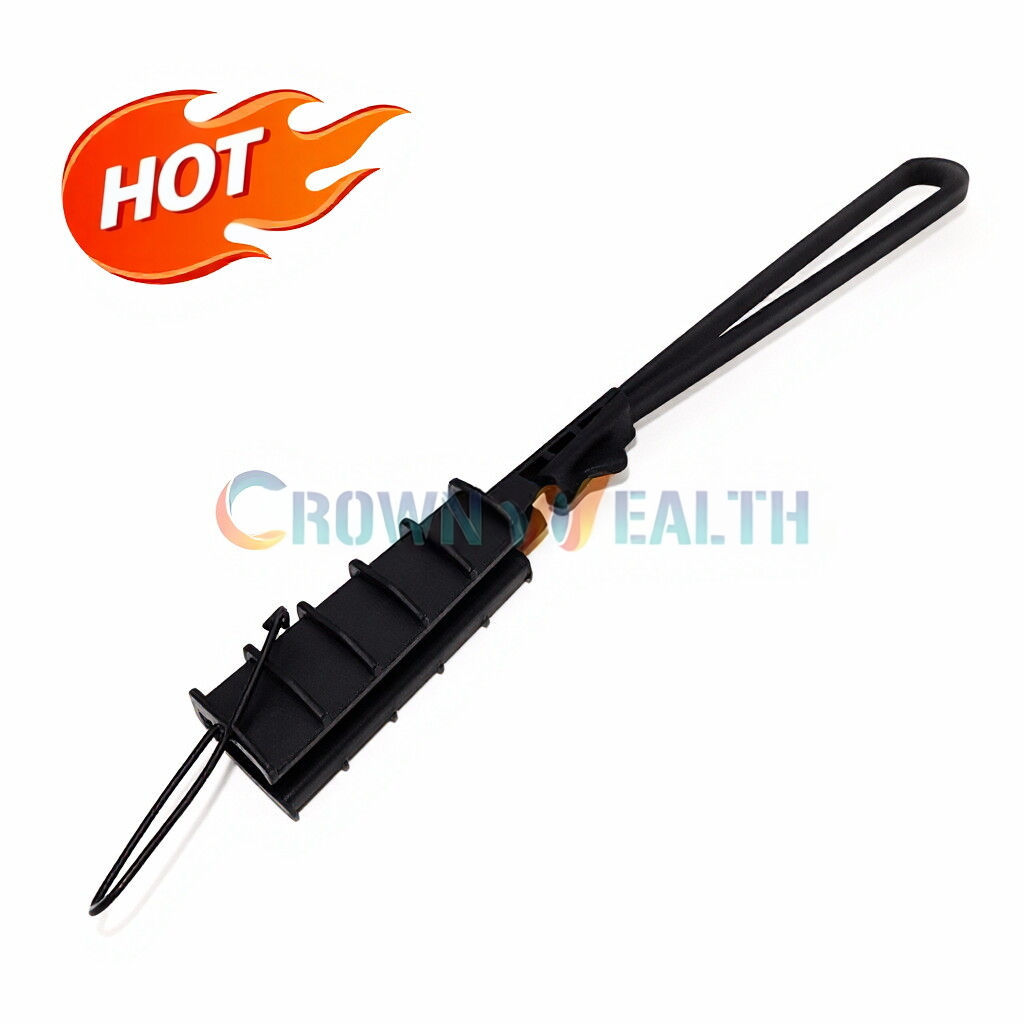
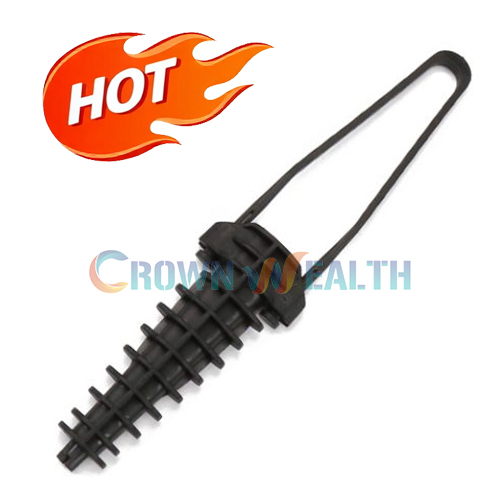
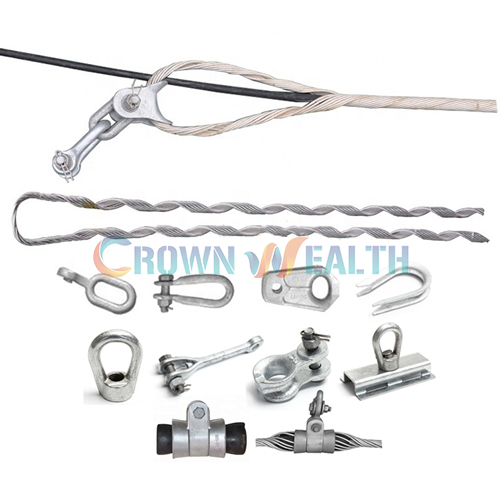
If the OPGW cables are stored with their accessories, such as OPGW Performed Suspension Clamp and OPGW Preformed Tension Clamp, ensure that they are compatible and stored in a way that does not cause damage to each other. The clamps should be stored in a dry and clean environment, and they should be protected from corrosion.
When storing the cables with the accessories, make sure the accessories are properly attached and secured to the cables. This helps to prevent any movement or displacement during storage, which could cause damage to the cables or the accessories.
6. Documentation
Maintain detailed documentation of the OPGW cable storage. This includes information such as the date of storage, the cable specifications, the storage location, and any inspection results. Documentation helps to track the history of the cables and provides valuable information in case of any problems or quality issues.
By following these safety precautions, you can ensure the safety and integrity of OPGW cables during storage. As a OPGW Cable Storage supplier, we are committed to providing high - quality storage solutions and guidance to our customers. If you are in need of OPGW cable storage services or products, please feel free to contact us for more information and to discuss your specific requirements. We look forward to partnering with you to ensure the optimal storage and performance of your OPGW cables.
References
- "Optical Fiber Cable Installation and Maintenance Guide", Industry Standard Publication
- "Power Transmission and Communication System Design Principles", Academic Research Report