In the intricate world of automotive systems, link fittings play a pivotal role that often goes unnoticed by the casual observer. As a dedicated link fitting supplier, I've witnessed firsthand how these seemingly simple components are the unsung heroes, ensuring the seamless operation of various automotive applications. In this blog, I'll delve into the fascinating mechanics of how link fittings work in automotive systems, exploring their types, functions, and the crucial role they play in vehicle performance and safety.
Understanding Link Fittings
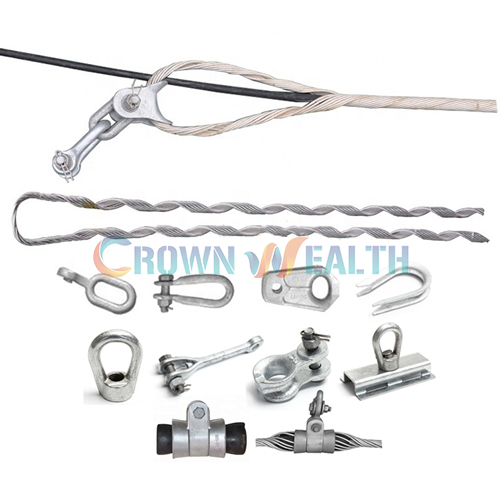
Link fittings are essentially mechanical connectors that are used to join different parts of an automotive system. They come in a wide range of shapes, sizes, and materials, each designed to meet specific requirements. From connecting suspension components to securing exhaust systems, link fittings are found throughout a vehicle, performing a variety of functions.
One of the key features of link fittings is their ability to provide a secure and reliable connection. They are engineered to withstand the extreme forces and vibrations that are inherent in automotive applications. Whether it's the constant jolts from rough roads or the high - speed forces generated during acceleration and braking, link fittings must maintain their integrity to ensure the safety and performance of the vehicle.
Types of Link Fittings in Automotive Systems
UJ - Type U - Bolt
The UJ - Type U - Bolt is a commonly used link fitting in automotive systems. It is shaped like the letter "U" with threaded ends that allow it to be fastened securely. U - bolts are often used to attach parts to round or cylindrical surfaces, such as mounting leaf springs to the axle in a vehicle's suspension system. The curved shape of the U - bolt wraps around the component, providing a stable connection that can withstand significant lateral and vertical forces.


Hot Dip Galvanized Shackle
The Hot Dip Galvanized Shackle is another important link fitting. Shackles are typically used to connect two components where a degree of flexibility is required. They are commonly found in trailer hitches, tow bars, and some suspension systems. The hot - dip galvanization process gives the shackle a protective zinc coating, which helps to prevent corrosion, especially in harsh environmental conditions. This ensures a long service life and reliable performance of the shackle in automotive applications.
HDG Extension Rod
HDG Extension Rod is a link fitting that is used to extend the length of a connection. In automotive systems, they can be used to adjust the position of components or to provide additional reach for a particular function. For example, in some exhaust systems, extension rods can be used to position the exhaust pipe correctly, ensuring proper exhaust flow and reducing noise and vibration. The HDG (Hot - Dip Galvanized) coating on the extension rod provides corrosion resistance, making it suitable for use in both wet and dry environments.
How Link Fittings Work in Different Automotive Sub - Systems
Suspension System
The suspension system of a vehicle is responsible for providing a smooth ride and maintaining contact between the tires and the road surface. Link fittings are essential in this system as they connect various components such as the control arms, shock absorbers, and springs. U - bolts are used to secure the leaf springs to the axle, while shackles provide a flexible connection between different parts of the suspension. This allows the suspension to move and adapt to different road conditions, absorbing shocks and vibrations.
For instance, when a vehicle hits a pothole, the link fittings in the suspension system transfer the forces from the impact to the rest of the system. The shackles and U - bolts ensure that the components remain connected and function properly, preventing damage to the suspension and maintaining the stability of the vehicle.
Exhaust System
The exhaust system is designed to remove the waste gases produced by the engine and reduce noise. Link fittings play a crucial role in this system by connecting the exhaust pipes, mufflers, and catalytic converters. Extension rods can be used to adjust the position of the exhaust components, ensuring that they are properly aligned and that the exhaust gases flow smoothly. Shackles may also be used to secure the exhaust system to the vehicle's frame, preventing it from vibrating loose and causing noise or damage.
Towing and Trailering
In towing and trailering applications, link fittings are used to connect the towing vehicle to the trailer. Shackles are commonly used in trailer hitches to provide a secure and flexible connection. They allow the trailer to pivot and turn with the towing vehicle, while still maintaining a strong connection. U - bolts can be used to secure additional components, such as safety chains, to ensure the safety of the towing operation.
Importance of Quality Link Fittings
Using high - quality link fittings is of utmost importance in automotive systems. Inferior or poorly manufactured link fittings can lead to a variety of problems, including component failure, reduced vehicle performance, and even safety hazards. For example, a corroded shackle in a suspension system may break under stress, causing the vehicle to lose control. Similarly, a loose U - bolt in an exhaust system can result in excessive noise and exhaust leaks, which can be harmful to the environment and the vehicle's occupants.
As a link fitting supplier, we understand the critical role that our products play in automotive systems. That's why we ensure that all our link fittings are manufactured to the highest standards. We use high - quality materials and advanced manufacturing processes to ensure the durability, strength, and reliability of our products. Our link fittings are rigorously tested to meet or exceed industry standards, providing our customers with peace of mind.
Factors Affecting Link Fitting Performance
Several factors can affect the performance of link fittings in automotive systems. One of the main factors is the environment in which the vehicle operates. For example, vehicles that are frequently exposed to saltwater, such as those used in coastal areas, are more prone to corrosion. In such cases, using link fittings with a high - quality corrosion - resistant coating, like hot - dip galvanized fittings, is essential.
Another factor is the load and stress that the link fittings are subjected to. Vehicles that carry heavy loads or are used for high - performance applications require link fittings that can withstand higher forces. It's important to select link fittings that are appropriately rated for the specific application to ensure their long - term performance.
Conclusion
In conclusion, link fittings are an integral part of automotive systems, playing a crucial role in ensuring the safety, performance, and reliability of vehicles. From the suspension system to the exhaust system and towing applications, these small but mighty components are responsible for connecting and stabilizing various parts of the vehicle.
As a link fitting supplier, we are committed to providing our customers with the highest quality link fittings that meet the diverse needs of the automotive industry. Whether you are an automotive manufacturer, a repair shop, or an individual looking for reliable link fittings, we have the products and expertise to meet your requirements.
If you are interested in learning more about our link fittings or would like to discuss your specific needs, we encourage you to reach out to us for a detailed consultation. Our team of experts is ready to assist you in selecting the right link fittings for your automotive applications and to provide you with the best possible solutions.
References
- "Automotive Engineering Fundamentals" by Thomas D. Gillespie
- "Exhaust System Design and Tuning" by David Vizard
- "Suspension and Steering Systems" by James D. Halderman