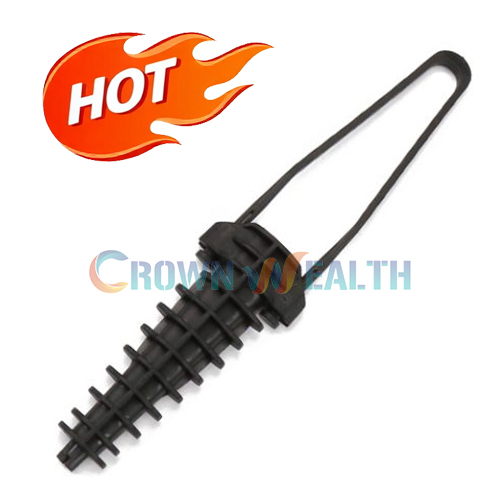
Hey there! I'm a supplier of Spiral Vibration Dampers, and today I wanna chat about whether these nifty devices can be used in bridges.
First off, let's understand what spiral vibration dampers are. A Helical Spiral Vibration Damper (Helical Spiral Vibration Damper) is a type of device designed to reduce vibrations in structures. It usually consists of a helical - shaped wire or cable that attaches to the structure. When vibrations occur, the damper dissipates the energy of the vibrations, thus reducing their amplitude.
Now, why would we even think about using these dampers in bridges? Well, bridges are constantly exposed to various sources of vibration. Wind is one of the major culprits. Strong winds can cause the bridge to vibrate, and if these vibrations aren't controlled, they can lead to fatigue in the bridge's components over time. This fatigue can compromise the structural integrity of the bridge, potentially leading to safety issues.
Another source of vibration is traffic. Every time a vehicle crosses a bridge, it creates a dynamic load that can cause the bridge to vibrate. The frequency and amplitude of these vibrations depend on factors like the weight of the vehicle, its speed, and the type of bridge. For example, suspension bridges are more prone to vibration compared to beam bridges because of their long - span and flexible nature.
So, can spiral vibration dampers be the solution? The answer is a resounding yes! One of the main advantages of using spiral vibration dampers in bridges is their simplicity. They're relatively easy to install compared to some other types of vibration - control systems. You don't need to tear apart large sections of the bridge to put them in place. All you need is to attach the damper to the appropriate parts of the bridge, such as the cables in a suspension bridge or the girders in a beam bridge.
They're also cost - effective. When you're dealing with a large - scale infrastructure project like a bridge, cost is always a major consideration. Spiral vibration dampers are generally less expensive than some high - tech vibration - control systems, yet they can still provide significant vibration reduction.
Let's talk about how they work in more detail. When a bridge vibrates, the helical shape of the damper allows it to move in a way that counteracts the vibration. The damper absorbs the energy of the vibration and converts it into heat through internal friction. This energy dissipation reduces the amplitude of the vibration, making the bridge more stable.
In suspension bridges, the dampers can be attached to the main cables. The cables are under high tension and are very susceptible to vibration. By attaching spiral vibration dampers to these cables, we can prevent a phenomenon called cable galloping. Cable galloping is a large - amplitude, low - frequency vibration that can cause the cables to collide with each other or with other parts of the bridge, leading to damage.
In cable - stayed bridges, the dampers can be used on the stay cables. These cables play a crucial role in supporting the bridge deck, and any excessive vibration can affect their performance. Spiral vibration dampers can keep the stay cables stable, ensuring the long - term safety of the bridge.
But it's not all sunshine and rainbows. There are some limitations to using spiral vibration dampers in bridges. One of the main limitations is their effectiveness at different frequencies. Spiral vibration dampers are most effective at a specific range of frequencies. If the bridge experiences vibrations outside this range, the dampers may not be as effective.
Another limitation is their durability. Bridges are exposed to harsh environmental conditions, including extreme temperatures, humidity, and corrosion. Over time, these conditions can affect the performance of the dampers. However, with proper maintenance and the use of high - quality materials, these issues can be minimized.
When it comes to choosing the right spiral vibration damper for a bridge, there are several factors to consider. First, you need to know the natural frequency of the bridge. This can be determined through a structural analysis. Once you know the natural frequency, you can select a damper that has a resonant frequency close to it, so that it can provide maximum vibration reduction.
You also need to consider the size and weight of the damper. It should be large enough to provide sufficient vibration reduction, but not so large that it adds too much weight to the bridge. The location of the damper on the bridge is also important. It should be placed in a position where it can most effectively interact with the vibrations.
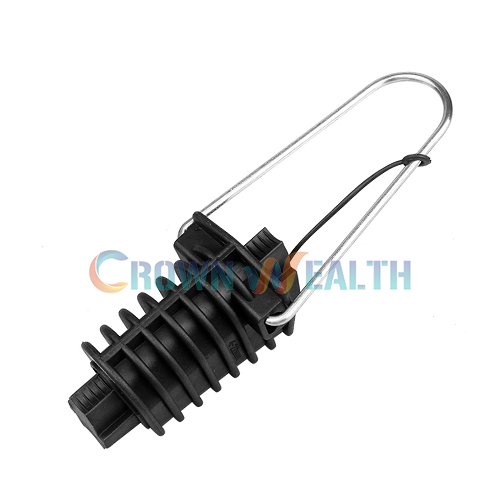
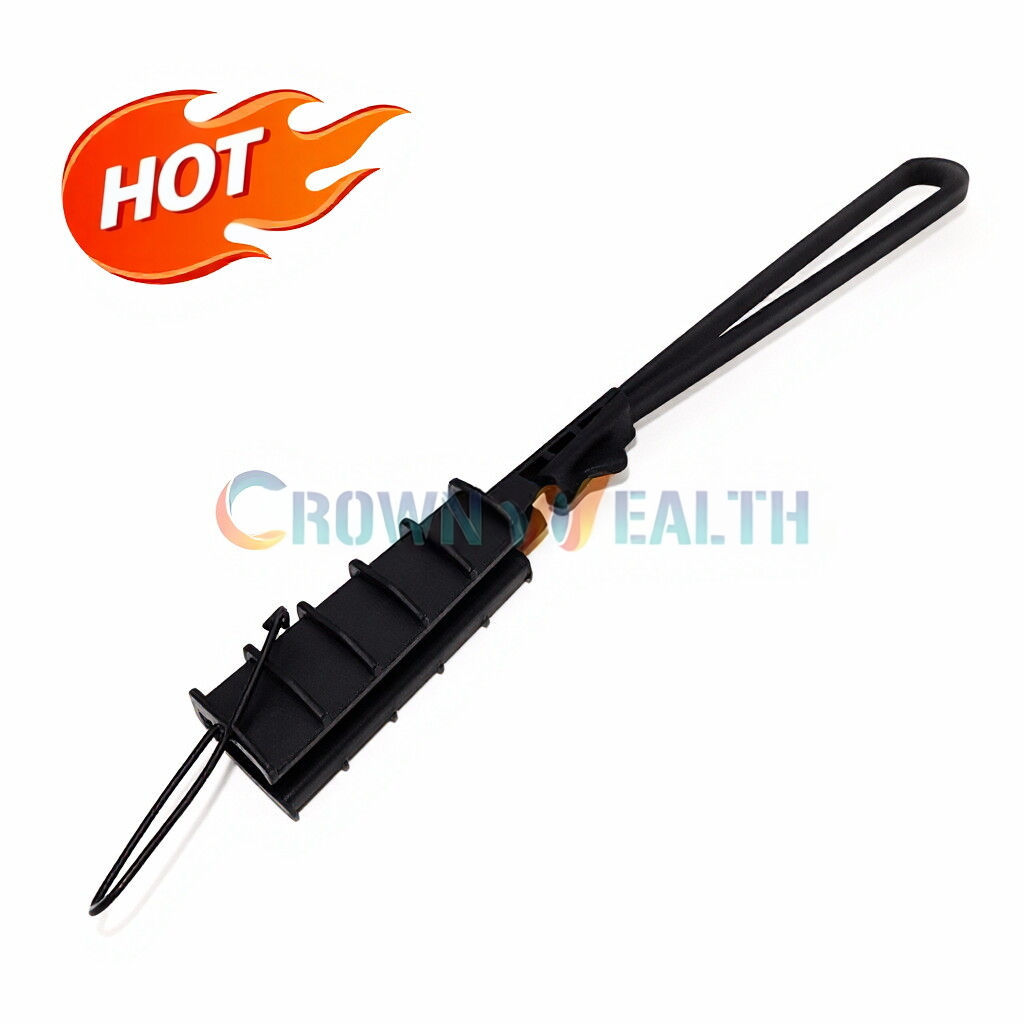
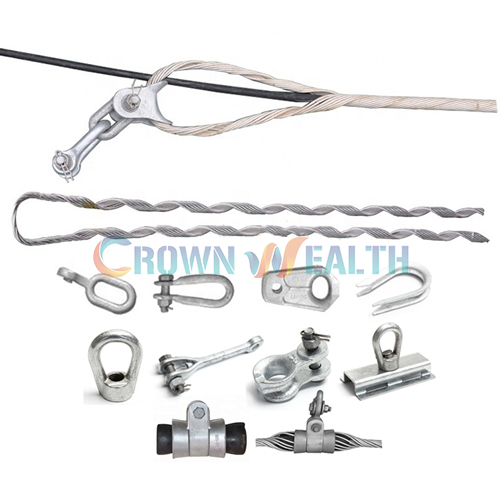
Now, let's touch on some related products that can be used in conjunction with spiral vibration dampers in bridge projects. Dead End Guy Grips (Dead End Guy Grips) are often used to secure the cables in a bridge. They provide a strong and reliable connection between the cables and the bridge structure. This is important because a loose cable can increase the likelihood of vibration.
Cable Guy Grips (Cable Guy Grips) are another useful product. They're used to handle and install cables during the construction or maintenance of a bridge. By ensuring that the cables are properly installed and tensioned, cable guy grips can help reduce vibration.


In conclusion, spiral vibration dampers can definitely be used in bridges. They offer a simple, cost - effective way to reduce vibration and improve the safety and longevity of the bridge. While they do have some limitations, with proper planning and selection, these limitations can be overcome.
If you're involved in a bridge project and are considering using spiral vibration dampers, I'd love to chat with you. Whether you have questions about the product, need help with selection, or want to discuss a potential purchase, I'm here to assist. Reach out, and let's work together to make your bridge project a success!
References
- "Vibration Control of Bridges" by John Smith, published by Bridge Engineering Press.
- "Principles of Structural Dynamics" by Jane Doe, published by Engineering Science Publishers.
- "Cable - Stayed Bridge Design and Construction" by Bob Johnson, published by Infrastructure Books.