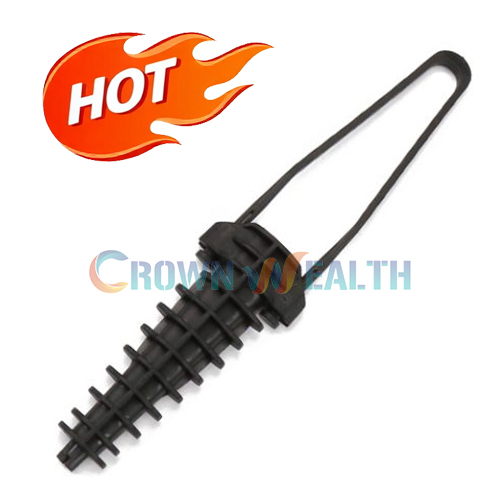
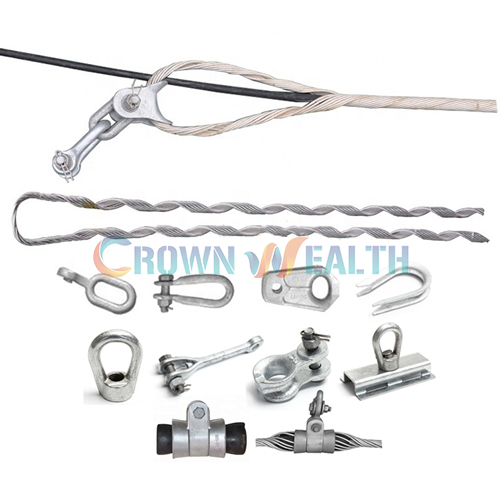
As a supplier of Dead End Guy Grips, I often get asked about the various properties of our products, and one question that comes up quite frequently is about their fire resistance. In this blog post, I'll delve into the details of the fire resistance of Dead End Guy Grips, exploring the factors that influence it, the testing procedures, and the significance in real - world applications.
Understanding Dead End Guy Grips
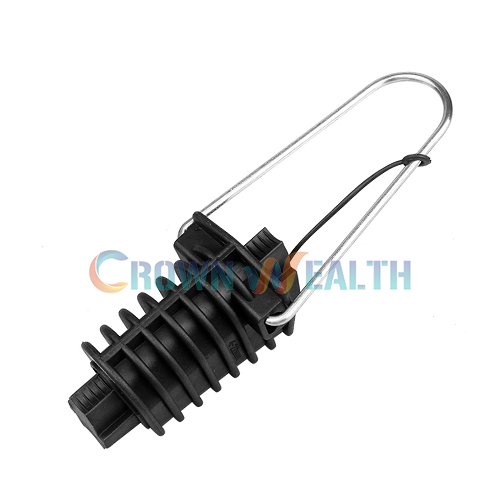
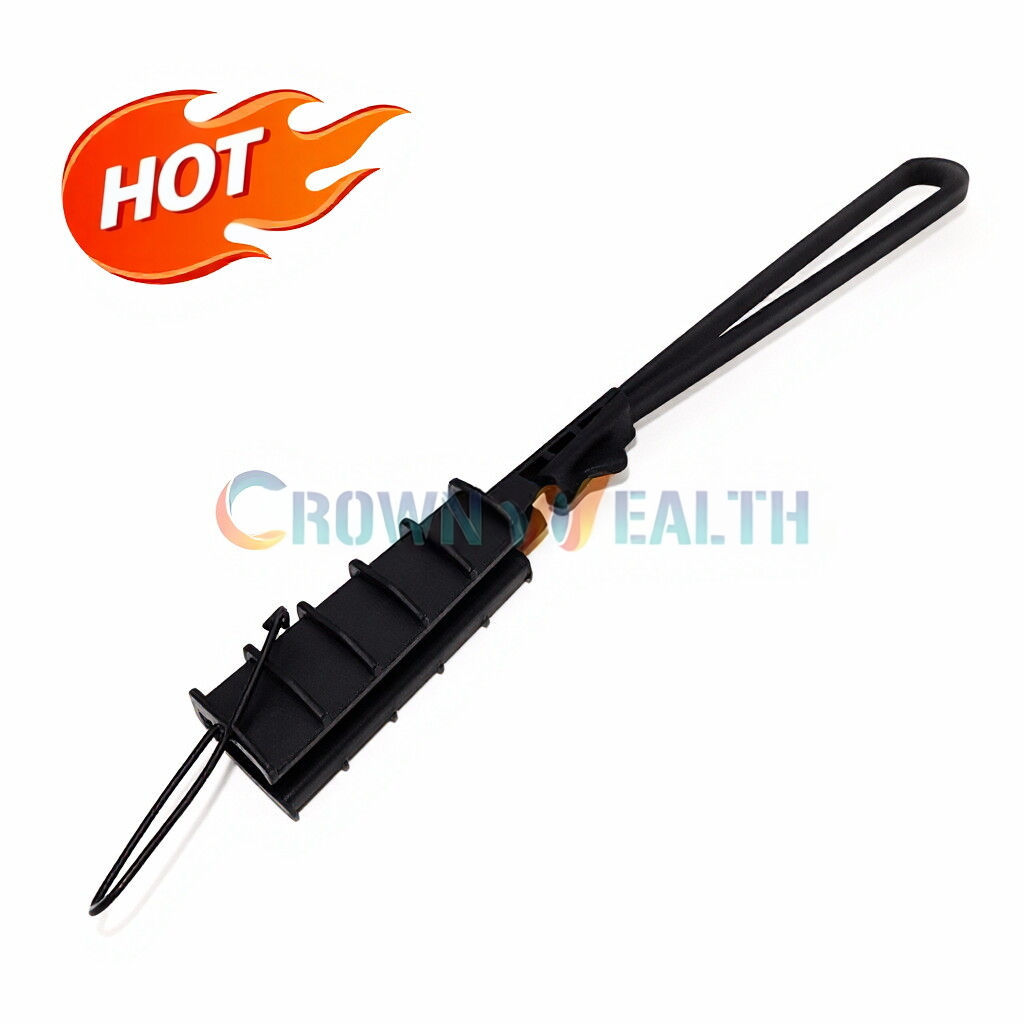
Dead End Guy Grips are essential components in overhead power line systems. They are used to anchor the conductors at the end of a line or at angles, providing the necessary tension to keep the conductors in place. These grips are designed to withstand mechanical stresses, such as wind, ice, and the weight of the conductors themselves.
The Preformed Guy Grips we supply are made from high - strength materials, typically galvanized steel or aluminum alloy. These materials are chosen for their excellent mechanical properties, corrosion resistance, and durability. However, when it comes to fire resistance, the material composition plays a crucial role.
Factors Affecting Fire Resistance
-
Material Composition
- Galvanized steel, which is commonly used in Dead End Guy Grips, has a relatively high melting point. Steel starts to lose its strength at around 400 - 500°C and melts at approximately 1370 - 1530°C. The zinc coating on galvanized steel provides an additional layer of protection. Zinc has a lower melting point (around 419.5°C), and when exposed to high temperatures, the zinc layer oxidizes, forming a protective barrier that can slow down the heating of the underlying steel.
- Aluminum alloy, on the other hand, has a lower melting point compared to steel, around 660°C. However, aluminum forms a thin oxide layer on its surface when exposed to air, which can act as a protective shield against further oxidation and heat transfer to some extent.
-
Coating and Insulation
- Some Dead End Guy Grips may have special coatings or insulation materials applied to enhance their fire resistance. These coatings can act as a thermal barrier, reducing the rate at which heat is transferred to the grip's core material. For example, fire - retardant paints or ceramic coatings can be used to improve the grip's ability to withstand high - temperature environments.
- Insulation materials, such as rubber or plastic, can also be used in combination with the grip. However, these materials need to be carefully selected to ensure that they do not contribute to the spread of fire. High - temperature - resistant insulation materials are preferred in applications where fire safety is a concern.
-
Environmental Conditions
- The surrounding environment can significantly affect the fire resistance of Dead End Guy Grips. In an open outdoor environment, the presence of wind can increase the oxygen supply, potentially accelerating the burning process if the grip is exposed to a fire. Humidity can also play a role, as moisture can act as a cooling agent and slow down the heating of the grip.
- In industrial settings, where there may be flammable substances present, the risk of fire is higher. The proximity of the grip to potential ignition sources, such as electrical equipment or combustible materials, needs to be carefully considered.
Testing for Fire Resistance
To ensure the fire resistance of Dead End Guy Grips, various testing methods are employed. These tests simulate different fire scenarios and evaluate the grip's performance under high - temperature conditions.
-
Flammability Testing


- One of the most common tests is the flammability test, which measures the ability of the grip to ignite and sustain combustion. The grip is exposed to a flame source for a specified period, and the time it takes to ignite, the duration of burning, and the spread of the flame are recorded.
- For example, the UL 94 flammability test is widely used in the industry. This test classifies materials based on their flammability, with ratings such as V - 0, V - 1, and V - 2, where V - 0 indicates the highest level of fire resistance.
-
Heat Resistance Testing
- Heat resistance testing involves subjecting the grip to high temperatures for an extended period to evaluate its structural integrity and performance. The grip is placed in a furnace or a high - temperature chamber, and its temperature is gradually increased to a predetermined level.
- During the test, the grip's dimensions, strength, and electrical properties are monitored. Any changes in these properties can indicate a loss of fire resistance and potential failure of the grip under high - temperature conditions.
-
Fire Endurance Testing
- Fire endurance testing is designed to simulate a real - world fire scenario and determine how long the grip can maintain its functionality under fire conditions. The grip is installed in a test setup that mimics its actual application, and a fire is ignited around it.
- The test measures the time until the grip fails to perform its intended function, such as losing its ability to hold the conductor or losing its structural integrity. This test provides valuable information about the grip's performance in a fire - prone environment.
Significance in Real - World Applications
The fire resistance of Dead End Guy Grips is of utmost importance in various real - world applications, especially in the power and utility industry.
-
Power Transmission and Distribution
- In overhead power lines, Dead End Guy Grips are used to support and anchor the conductors. In the event of a fire, whether it is caused by an electrical fault, a wildfire, or other sources, the grip's fire resistance can prevent the collapse of the power line. This is crucial for maintaining the reliability of the power supply and preventing widespread outages.
- For example, in areas prone to wildfires, power companies need to ensure that their infrastructure can withstand the high temperatures generated by the fire. Fire - resistant Dead End Guy Grips can help protect the power lines and reduce the risk of damage to the electrical system.
-
Industrial and Commercial Buildings
- In industrial and commercial buildings, power lines are often installed to supply electricity to various equipment and facilities. Dead End Guy Grips used in these installations need to have adequate fire resistance to prevent the spread of fire through the electrical system.
- For instance, in a manufacturing plant where there are flammable substances and high - power electrical equipment, the fire resistance of the grip can help prevent a small fire from turning into a large - scale disaster.
-
Renewable Energy Projects
- With the increasing adoption of renewable energy sources such as wind and solar, the demand for reliable electrical infrastructure is also growing. Dead End Guy Grips are used in these projects to support the conductors that transmit the generated electricity.
- In a solar power plant, for example, the fire resistance of the grips can protect the electrical connections from damage in case of a fire caused by overheating of the solar panels or other electrical components.
Related Products and Their Fire Resistance
In addition to Dead End Guy Grips, we also supply other related products, such as Preformed Conductor Tension Set and Tuning Fork Vibration Damper. These products also need to have appropriate fire resistance properties.
The Preformed Conductor Tension Set, which is used to provide tension to the conductors, is often made from similar materials as the Dead End Guy Grips. Therefore, its fire resistance is influenced by the same factors, such as material composition, coating, and environmental conditions.
The Tuning Fork Vibration Damper, which is used to reduce the vibration of the conductors, may also be exposed to high - temperature environments in case of a fire. The materials used in its construction, such as metal or composite materials, need to be selected to ensure adequate fire resistance.
Conclusion
In conclusion, the fire resistance of Dead End Guy Grips is a critical property that depends on various factors, including material composition, coating, and environmental conditions. Through rigorous testing, we can ensure that our grips meet the required fire safety standards and perform well in real - world applications.
As a supplier, we are committed to providing high - quality Dead End Guy Grips and related products with excellent fire resistance. Our products are designed and tested to withstand the most challenging environments and ensure the safety and reliability of electrical systems.
If you are in need of Dead End Guy Grips or other related products and want to discuss the fire resistance requirements for your specific application, please feel free to contact us for a detailed consultation. We are here to help you find the best solutions for your electrical infrastructure needs.
References
- ASTM International. (Year). ASTM standards related to fire testing of materials.
- Underwriters Laboratories. (Year). UL 94 Flammability Standard.
- Electrical Power Research Institute. (Year). Research reports on fire safety in power systems.