Hey there! As a link fitting supplier, I've been getting a lot of questions lately about whether link fittings can reduce shock in a system. So, I thought I'd take a deep dive into this topic and share some insights based on my experience in the industry.
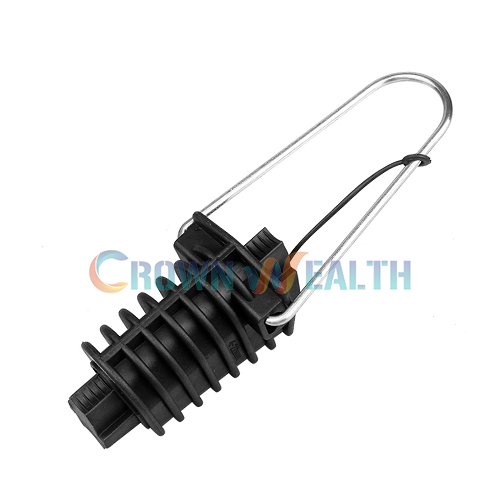
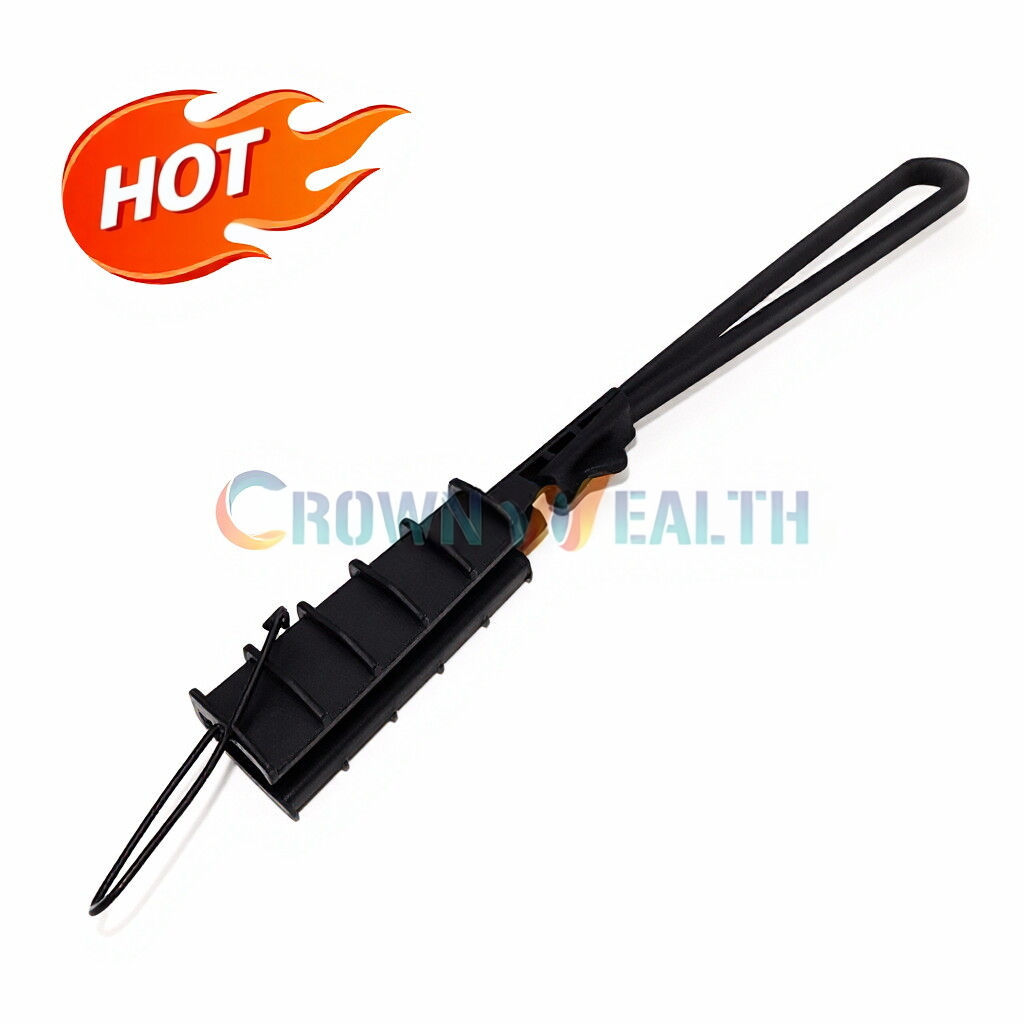
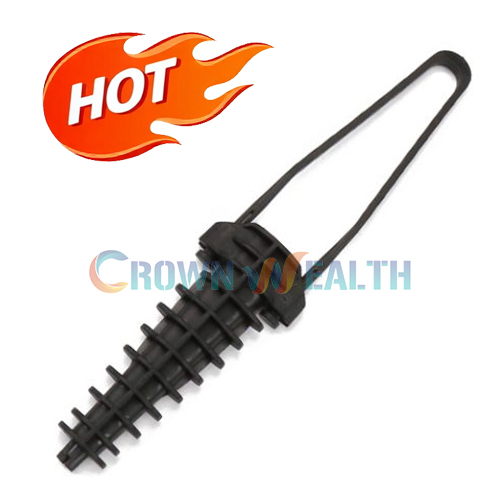
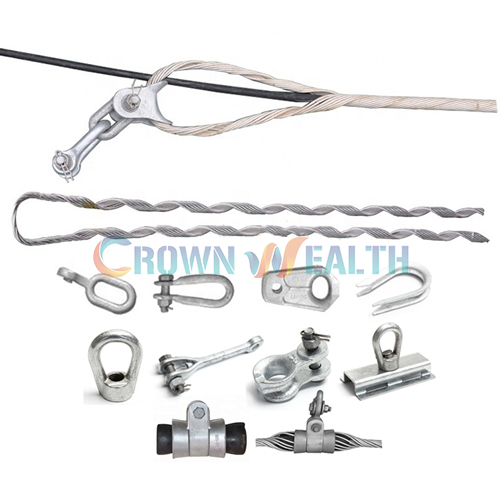
First off, let's talk about what link fittings are. Link fittings are components used to connect different parts of a system, whether it's a mechanical, electrical, or even a hydraulic system. They come in all shapes and sizes, from simple bolts and shackles to more complex extension rods. Some common types of link fittings include the YL Type Extension Rod, UJ-Type U-Bolt, and U Shackle.
Now, the big question: Can link fittings actually reduce shock in a system? The short answer is yes, but it depends on a few factors.
How Link Fittings Can Reduce Shock
One of the main ways link fittings can reduce shock is through their design and material properties. For example, some link fittings are made from materials that have high elasticity and damping capabilities. These materials can absorb and dissipate energy when a shock occurs, reducing the impact on the rest of the system.


Let's take a look at the U Shackle as an example. A well-designed U Shackle can act as a flexible joint, allowing for some movement and deflection when a shock is applied. This flexibility helps to distribute the shock load over a larger area, rather than concentrating it in one spot. As a result, the overall stress on the system is reduced, and the risk of damage or failure is minimized.
Another way link fittings can reduce shock is by providing a buffer between different components. In a mechanical system, for instance, link fittings can be used to connect moving parts in a way that allows for some relative motion. This relative motion can help to absorb and dampen the shock waves generated by sudden movements or impacts.
Factors Affecting Shock Reduction
While link fittings have the potential to reduce shock, there are several factors that can affect their effectiveness.
1. Material Selection
The material of the link fitting plays a crucial role in its shock absorption capabilities. As mentioned earlier, materials with high elasticity and damping properties are ideal for shock reduction. For example, rubber or certain types of polymers can be used in combination with metal components to create a more effective shock-absorbing link fitting.
2. Design and Geometry
The design and geometry of the link fitting also matter. A well-designed link fitting should have a shape and structure that allows for efficient energy absorption and distribution. For example, a link fitting with a curved or tapered shape may be better at redirecting shock waves and reducing stress concentrations.
3. Installation and Alignment
Proper installation and alignment of the link fitting are essential for optimal shock reduction. If a link fitting is not installed correctly, it may not be able to perform its intended function effectively. For example, if a bolt is not tightened to the correct torque, it may not provide a secure connection, which can lead to increased shock transmission.
4. System Requirements
The specific requirements of the system also need to be considered. Different systems may have different levels of shock and vibration, and the link fitting needs to be selected accordingly. For example, a high-performance racing car may require more advanced link fittings with superior shock absorption capabilities compared to a regular passenger vehicle.
Real-World Applications
Link fittings are used in a wide range of industries and applications where shock reduction is important. Here are a few examples:
Automotive Industry
In the automotive industry, link fittings are used in suspension systems to reduce the impact of bumps and potholes on the vehicle. The UJ-Type U-Bolt is commonly used to secure the suspension components, providing a stable connection while also absorbing some of the shock.
Aerospace Industry
In the aerospace industry, link fittings are used in aircraft landing gear systems to reduce the shock during takeoff and landing. These link fittings need to be lightweight yet strong enough to withstand the high forces involved.
Marine Industry
In the marine industry, link fittings are used in boat rigging systems to reduce the shock caused by waves and rough seas. The YL Type Extension Rod can be used to adjust the tension in the rigging, helping to absorb and distribute the shock loads.
Conclusion
In conclusion, link fittings can indeed reduce shock in a system, but their effectiveness depends on various factors such as material selection, design, installation, and system requirements. As a link fitting supplier, I understand the importance of providing high-quality products that meet the specific needs of my customers.
If you're looking for link fittings that can help reduce shock in your system, I'd be more than happy to assist you. Whether you need a YL Type Extension Rod, a UJ-Type U-Bolt, or a U Shackle, I have a wide range of options to choose from.
Don't hesitate to reach out if you have any questions or need further information. Let's work together to find the best link fitting solutions for your shock reduction needs.
References
- "Mechanical Engineering Design" by Joseph E. Shigley and Charles R. Mischke
- "Materials Science and Engineering: An Introduction" by William D. Callister Jr. and David G. Rethwisch
- Industry research reports on link fitting applications and performance.