Hey there! As a supplier of Armor Rods, I often get asked if these little guys have any safety features. Well, you bet they do! In this blog post, I'm gonna break down the safety aspects of Armor Rods and why they're a must - have in the electrical and cable industry.
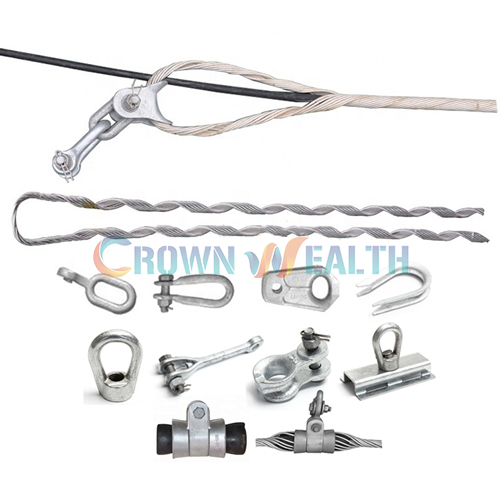
First off, let's understand what Armor Rods are. Armor Rods, also known as Preformed Armor Rods, are helically - wound rods that are installed on cables, mainly overhead power lines. They look like little spirals that wrap around the cable, and they're made from materials like aluminum or steel.
One of the most significant safety features of Armor Rods is their ability to protect cables from mechanical damage. You see, overhead cables are constantly exposed to the elements. They're buffeted by strong winds, pelted with hail, and can even be hit by falling branches. Without proper protection, these cables can develop nicks, cuts, and abrasions, which can weaken the cable over time. Armor Rods act as a shield, absorbing the impact of these external forces. For example, when a strong gust of wind tries to push the cable around, the Armor Rods distribute the stress evenly along the cable's surface. This prevents the cable from getting concentrated stress points that could lead to breakage.


Another safety benefit is in preventing corrosion. Cables are made of conductive materials, and when they come into contact with moisture, oxygen, and other corrosive substances in the environment, they start to rust or corrode. Corrosion not only weakens the cable's structural integrity but also affects its electrical conductivity. Armor Rods are typically made from materials that are resistant to corrosion. Aluminum Armor Rods, for instance, form a thin oxide layer on their surface when exposed to air. This oxide layer acts as a barrier, preventing further corrosion of both the Armor Rods and the underlying cable.
Now, let's talk about electrical safety. In a power transmission system, it's crucial to maintain a stable electrical flow. Any disruption in the cable can lead to power outages, electrical fires, or even electrocution. Armor Rods help in maintaining the electrical integrity of the cable. They reduce the risk of electrical arcing, which occurs when there's a high - voltage discharge between two conductive surfaces. By providing a smooth and continuous surface around the cable, Armor Rods minimize the chances of electrical arcing, ensuring that the power flows smoothly and safely.
Armor Rods also play a role in vibration damping. Overhead cables can vibrate due to wind, electrical currents, or other external factors. Excessive vibration can cause fatigue in the cable, leading to eventual failure. Armor Rods absorb and dissipate the vibrational energy, reducing the amplitude of the vibrations. This not only extends the lifespan of the cable but also reduces the risk of the cable detaching from its support structures, which could pose a significant safety hazard.
When it comes to installation, Armor Rods are designed to be user - friendly and safe. They're pre - formed, which means they can be easily wrapped around the cable without the need for complex tools or extensive training. This reduces the risk of installation errors that could compromise the cable's safety. And compared to some other cable protection methods, Armor Rods are lightweight, making them easier to handle during installation.
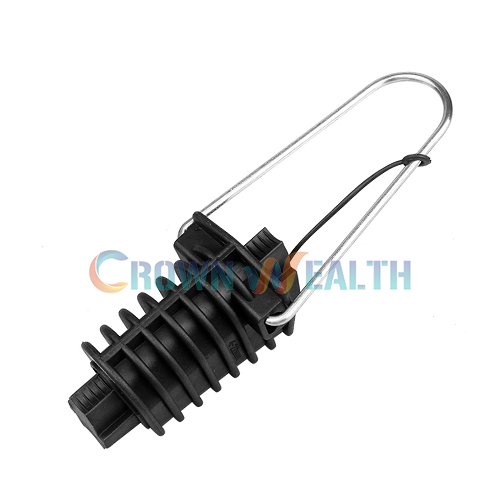
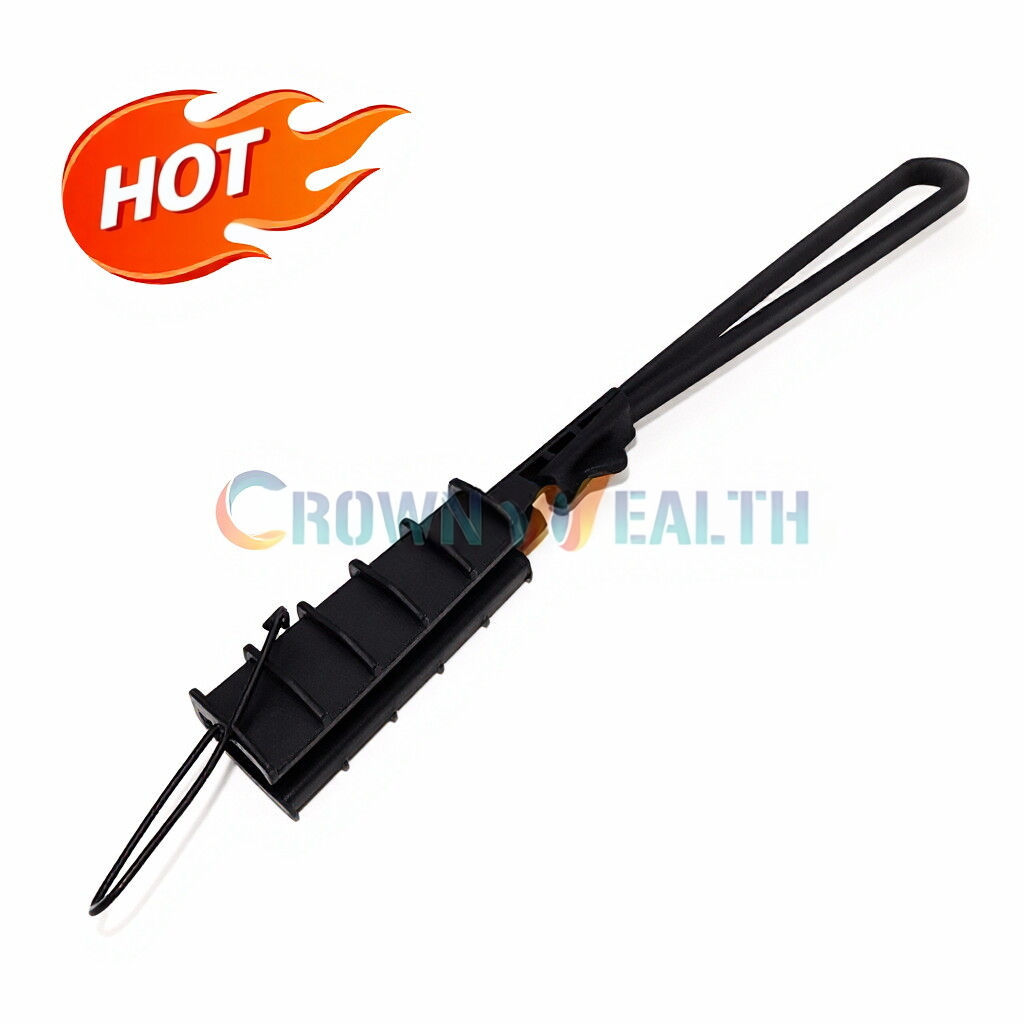
Let's compare Armor Rods with some other related products in the market. Cable Guy Grips are used to secure cables to guy wires. While they serve an important function in cable support, they don't offer the same level of protection against mechanical damage and corrosion as Armor Rods. Preformed Dead End Guy Grips are mainly for terminating cables at the end of a line. They're great for providing a secure connection, but again, they don't have the all - around protective features of Armor Rods.
In real - world applications, Armor Rods have proven their worth time and time again. In areas prone to severe weather conditions, such as hurricanes or blizzards, power companies rely on Armor Rods to keep their cables intact. By protecting the cables from damage, Armor Rods help in maintaining power supply, which is crucial for the safety and well - being of the community. For example, in a coastal area where saltwater corrosion is a major issue, Armor Rods have significantly extended the lifespan of the power cables, reducing the frequency of cable replacements and minimizing the risk of power outages.
So, if you're in the electrical or cable industry, whether you're a power company, a contractor, or an installer, Armor Rods are an essential safety component for your projects. They offer multiple layers of protection, from mechanical and corrosion resistance to electrical safety and vibration damping.
If you're interested in learning more about our Armor Rods or are looking to make a purchase, I'd love to have a chat with you. We can discuss your specific needs, the right type of Armor Rods for your application, and how they can enhance the safety and reliability of your cable systems. Reach out to start a conversation about how we can work together to ensure your projects are safe and successful.
References
- Electrical Cable Protection Handbook
- Power Transmission and Distribution Engineering Journals