Hey there! I'm a supplier of fastening fixtures, and I've been in this game for quite a while. Over the years, I've seen how different industries have their own unique regulatory requirements when it comes to fastening fixtures. In this blog post, I'll share some insights into these requirements and how they affect our business.
Construction Industry
Let's start with the construction industry. It's a massive sector where fastening fixtures play a crucial role. Safety is the top priority here, and regulatory bodies have set strict standards to ensure that buildings and structures are secure.
One of the key regulations in construction is the building code. These codes vary from region to region, but they generally specify the type, strength, and installation methods of fastening fixtures. For example, when it comes to steel structures, high - strength bolts are often required. These bolts need to meet specific ASTM (American Society for Testing and Materials) standards. The ASTM standards define the chemical composition, mechanical properties, and dimensional tolerances of the bolts.
In concrete construction, anchor bolts are used to attach structural elements to concrete. The International Building Code (IBC) has detailed requirements for the design and installation of anchor bolts. They need to be able to withstand the loads they'll be subjected to, such as wind, seismic, and dead loads. The embedment depth, spacing, and size of the anchor bolts are all regulated to ensure the stability of the structure.
Another aspect is fire safety. Fastening fixtures used in fire - rated assemblies need to maintain their integrity during a fire. There are tests like the UL (Underwriters Laboratories) fire - resistance tests that fixtures must pass to be used in these applications. If a building is required to have a two - hour fire - rated wall, the fastening fixtures used in that wall need to support the structure for at least two hours under fire conditions.
Automotive Industry
The automotive industry is all about precision and reliability. Fastening fixtures in cars are used to hold together various components, from the engine to the body panels.
The automotive industry follows standards set by organizations like SAE (Society of Automotive Engineers). SAE has developed a wide range of standards for fasteners, including bolts, nuts, and screws. These standards cover everything from the head style and thread pitch to the corrosion resistance of the fasteners.
For example, in engine applications, high - performance fasteners are needed to withstand the high temperatures and vibrations. They must have excellent fatigue resistance to ensure that they don't fail over the long - term use of the vehicle. SAE standards specify the minimum yield strength and ultimate tensile strength of these fasteners.
In addition to mechanical performance, there are also environmental regulations. With the push towards more sustainable vehicles, automotive manufacturers are looking for fastening fixtures that are made from recyclable materials. There are also regulations regarding the use of hazardous substances in fasteners. The Restriction of Hazardous Substances (RoHS) directive restricts the use of substances like lead, mercury, and cadmium in automotive components, including fastening fixtures.
Aerospace Industry
The aerospace industry has some of the most stringent regulatory requirements for fastening fixtures. Safety is non - negotiable in this field, as any failure of a fastening fixture could have catastrophic consequences.
The Federal Aviation Administration (FAA) in the United States and the European Union Aviation Safety Agency (EASA) in Europe are the main regulatory bodies. They set standards for the design, manufacturing, and testing of aerospace fasteners.


Aerospace fasteners need to be lightweight yet extremely strong. Titanium and high - strength aluminum alloys are commonly used materials. These materials need to meet strict material specifications. For example, titanium fasteners must have a specific chemical composition and mechanical properties to ensure they can withstand the high stresses and extreme temperatures encountered during flight.
There are also strict quality control procedures in place. Every aerospace fastener must be traceable back to its source. This means that detailed records of the manufacturing process, including heat treatment, machining, and inspection results, must be maintained. Fasteners are also subjected to rigorous testing, such as tensile tests, shear tests, and fatigue tests, to ensure they meet the required performance criteria.
Telecommunications Industry
In the telecommunications industry, fastening fixtures are used to install and secure fiber - optic cables, antennas, and other equipment.
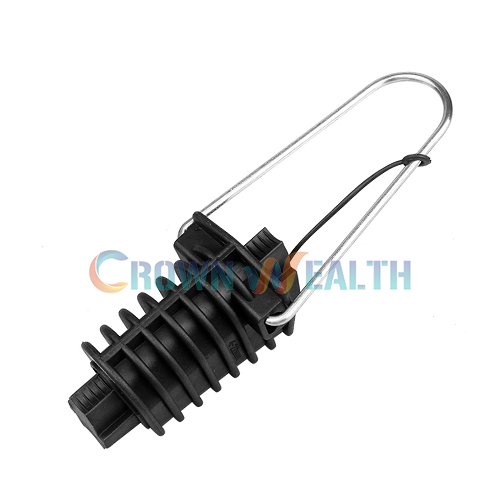
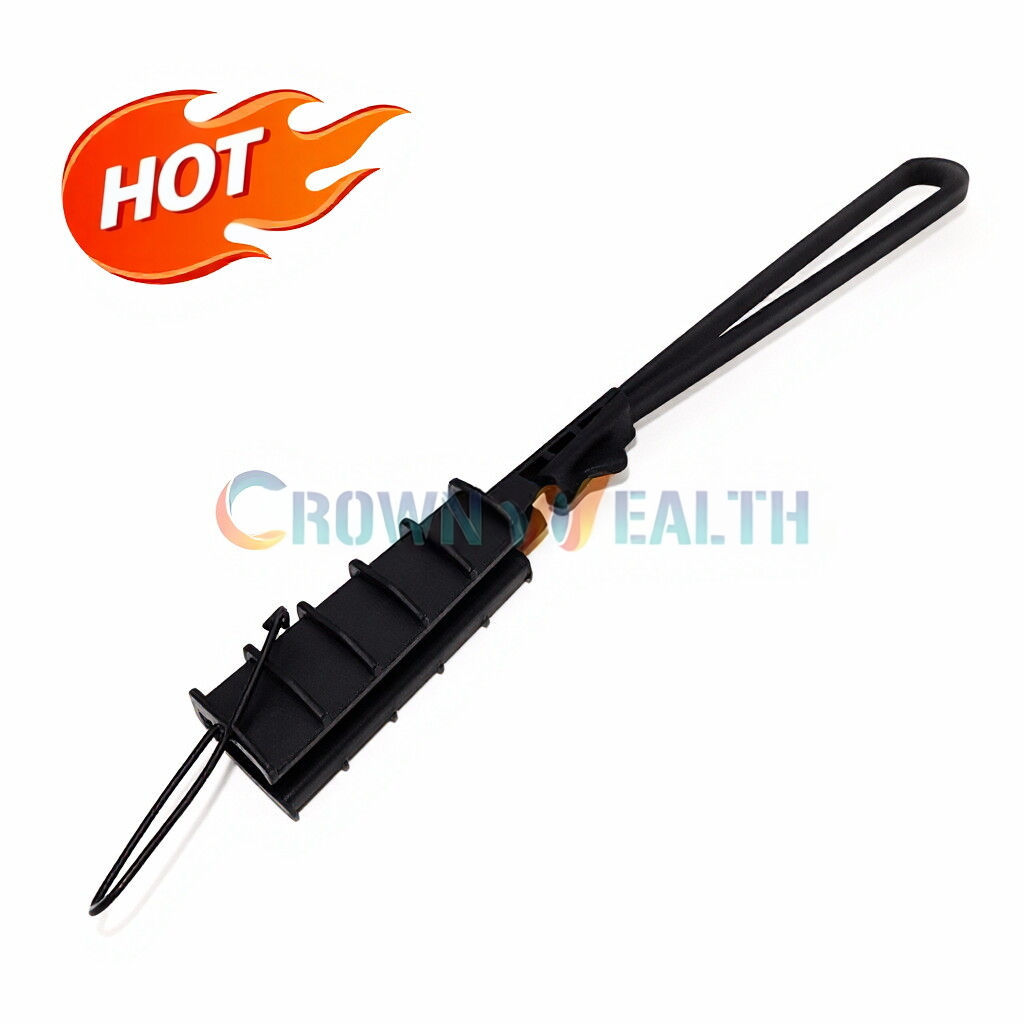
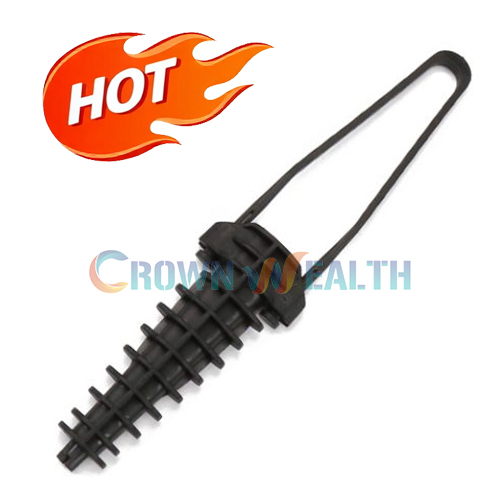
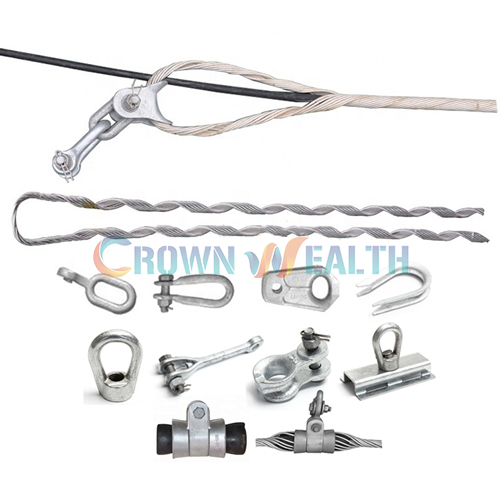
When it comes to fiber - optic cable installations, there are specific standards for cable management and fastening. For example, products like the Dead - end for Medium and Long Span ADSS, Performed Suspension Clamp, and ADSS Cable Guy Grips Sets are used to support and secure ADSS (All - Dielectric Self - Supporting) fiber - optic cables.
The Telecommunications Industry Association (TIA) has standards for the installation of these fixtures. The fixtures need to be able to protect the cables from environmental factors such as wind, ice, and temperature variations. They also need to be installed in a way that minimizes stress on the cables to prevent signal loss.
Antenna installations also have regulatory requirements. The National Electrical Code (NEC) has rules for grounding and bonding of antenna structures. Fastening fixtures used to attach antennas to towers or buildings need to be installed correctly to ensure the safety of the installation and to prevent electrical hazards.
Why These Regulations Matter to Us as a Supplier
As a fastening fixture supplier, these regulations are extremely important to us. We need to make sure that our products meet all the relevant standards in each industry we serve.
Compliance with regulations is not only a legal requirement but also a matter of reputation. Customers in these industries rely on us to provide high - quality, reliable fastening fixtures. If our products don't meet the standards, it can lead to costly recalls, liability issues, and damage to our brand.
We invest a lot of time and resources in research and development to ensure that our products are up - to - date with the latest regulations. We work closely with testing laboratories to have our products tested and certified. For example, if we're supplying fasteners for the aerospace industry, we'll send our samples to an FAA - approved testing facility to have them tested according to the relevant standards.
Conclusion
In conclusion, different industries have their own unique regulatory requirements for fastening fixtures. From the strict building codes in construction to the precision standards in the automotive and aerospace industries, these regulations ensure the safety, reliability, and performance of the products.
As a fastening fixture supplier, we're committed to meeting these requirements and providing our customers with the best - in - class products. If you're in need of fastening fixtures for your industry, whether it's construction, automotive, aerospace, or telecommunications, we'd love to have a chat with you. We can help you find the right fixtures that meet all the regulatory requirements for your specific application. So, don't hesitate to reach out and start a conversation about your procurement needs.
References
- American Society for Testing and Materials (ASTM) Standards
- International Building Code (IBC)
- Society of Automotive Engineers (SAE) Standards
- Federal Aviation Administration (FAA) Regulations
- European Union Aviation Safety Agency (EASA) Regulations
- Telecommunications Industry Association (TIA) Standards
- National Electrical Code (NEC)
- Underwriters Laboratories (UL) Standards