As a supplier of Armor Rods, I often encounter various questions from customers regarding the application scenarios of our products. One frequently asked question is whether Armor Rods can be used in water. In this blog, I will delve into this topic and provide a comprehensive analysis based on scientific knowledge and practical experience.
Understanding Armor Rods
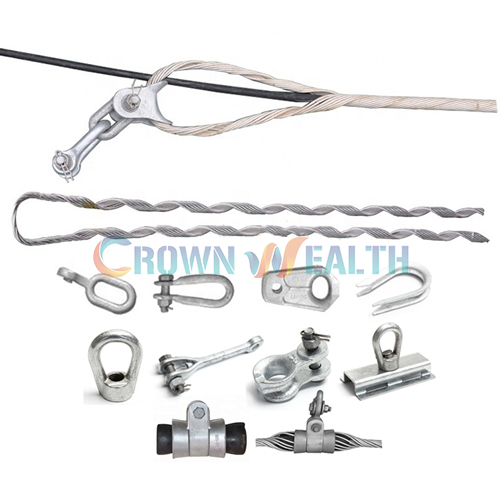
Before discussing their use in water, let's first understand what Armor Rods are. Armor Rods, also known as preformed armor rods, are protective fittings used in the power transmission and distribution industry. They are typically made of high - strength aluminum alloy or steel. Their main function is to protect conductors from mechanical damage, such as abrasion, vibration, and bending stress. The Preformed Armor Rods are pre - formed into a helical shape, which can be easily wrapped around the conductor to provide a uniform and continuous protection layer.
Factors Affecting the Use of Armor Rods in Water
To determine whether Armor Rods can be used in water, we need to consider several key factors:
Material Compatibility
The first factor is the compatibility of the Armor Rods material with water. Most Armor Rods are made of aluminum alloy or steel. Aluminum alloy has good corrosion resistance in many environments. When exposed to water, a thin layer of aluminum oxide forms on the surface of the aluminum alloy, which acts as a protective barrier against further corrosion. However, the quality of this protective layer can be affected by factors such as the pH value of the water, the presence of contaminants, and the temperature.
Steel Armor Rods, on the other hand, are more prone to rusting when in contact with water. Rusting can weaken the mechanical strength of the Armor Rods and reduce their protective effect on the conductors. To improve the corrosion resistance of steel Armor Rods, they are often coated with anti - rust materials such as zinc.
Electrical Performance
Another important factor is the electrical performance of Armor Rods in water. Water is a conductor of electricity, and when Armor Rods are submerged in water, it may affect the electrical characteristics of the power transmission system. For example, if the water contains impurities or salts, it can increase the conductivity of the water, which may lead to electrical leakage or short - circuit problems.
In addition, the presence of water can also cause the formation of a conductive film on the surface of the Armor Rods, which may change the electrical field distribution around the conductors. This can potentially lead to corona discharge or other electrical phenomena that can damage the conductors and the Armor Rods themselves.
Mechanical Stability
The mechanical stability of Armor Rods in water is also a crucial consideration. Water flow can exert hydrodynamic forces on the Armor Rods, which may cause them to loosen or displace from their original positions. If the Armor Rods are not firmly attached to the conductors, they may not be able to provide effective protection against mechanical damage.
Moreover, the repeated action of water flow and waves can cause fatigue stress on the Armor Rods, which may lead to cracking or breakage over time.
Application Scenarios Where Armor Rods Can Be Used in Water
Despite the above - mentioned challenges, there are still some application scenarios where Armor Rods can be used in water:
Submarine Power Cables
In the case of submarine power cables, Armor Rods can be used to protect the cables from mechanical damage caused by sea floor friction, fishing activities, and natural disasters. The Armor Rods used in this scenario are usually made of high - strength, corrosion - resistant materials and are specially designed to withstand the harsh marine environment.
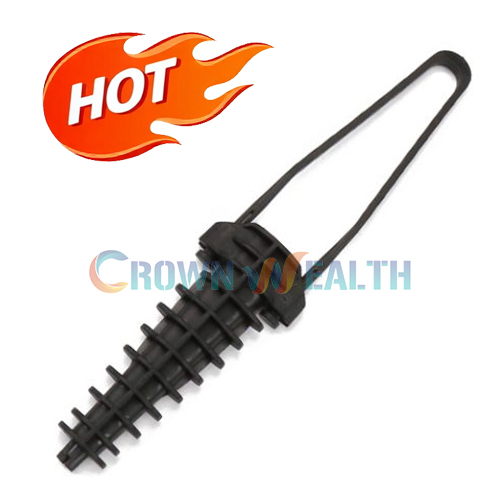
The Helical Guy Grips can be used in conjunction with Armor Rods to provide additional support and stability for the submarine power cables. These grips can help to secure the cables and prevent them from being damaged by external forces.
Flood - Prone Areas
In flood - prone areas, power transmission lines may be submerged in water for extended periods. Armor Rods can be used to protect the conductors from the mechanical stress caused by the flowing water and the debris carried by the flood. However, in such cases, it is necessary to choose Armor Rods with high corrosion resistance and to ensure that they are properly installed and maintained.
Application Scenarios Where Caution is Needed
There are also some scenarios where using Armor Rods in water requires caution:
Water with High Contaminant Levels
If the water contains high levels of contaminants such as acids, alkalis, or heavy metals, the corrosion rate of the Armor Rods will be significantly increased. In such environments, special - purpose Armor Rods with enhanced corrosion - resistant coatings or made of more corrosion - resistant materials should be used.
Areas with High Electrical Conductivity
In areas where the water has high electrical conductivity, such as areas with a high salt content or industrial wastewater, the use of Armor Rods needs to be carefully evaluated. Additional measures may be required to ensure the electrical safety of the power transmission system, such as using insulating coatings on the Armor Rods or increasing the insulation distance between the conductors and the water.
The Role of Vibration Dampers in Water - Related Applications
In water - related applications, vibration is also a common problem. The Tuning Fork Vibration Damper can be used in conjunction with Armor Rods to reduce the vibration of the conductors caused by water flow and wind. These dampers work by absorbing and dissipating the vibrational energy, thereby protecting the conductors and the Armor Rods from fatigue damage.


Conclusion
In conclusion, Armor Rods can be used in water under certain conditions. However, careful consideration needs to be given to factors such as material compatibility, electrical performance, and mechanical stability. By choosing the appropriate Armor Rods and taking necessary protective measures, we can ensure the reliable operation of power transmission systems in water - related environments.
If you are interested in purchasing Armor Rods or have any questions regarding their application in water, please feel free to contact us for further discussion and negotiation. We are committed to providing you with high - quality products and professional technical support.
References
- Electrical Transmission and Distribution Handbook, McGraw - Hill
- Corrosion Science and Engineering, Elsevier
- Power System Protection and Switchgear, Wiley