Hey there! As a downlead clamp supplier, I often get asked a crucial question: Are downlead clamps compatible with all types of downlead insulation? Well, let's dive right into this topic and break it down for you.
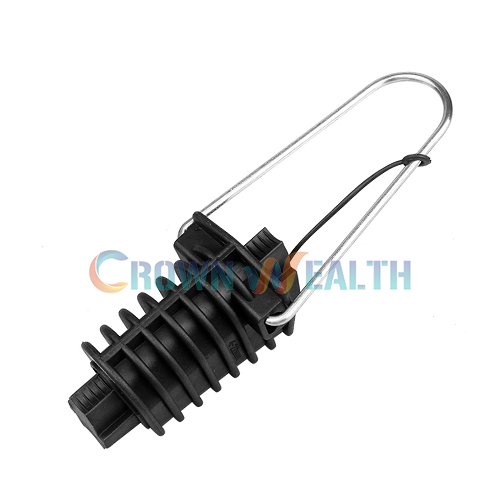
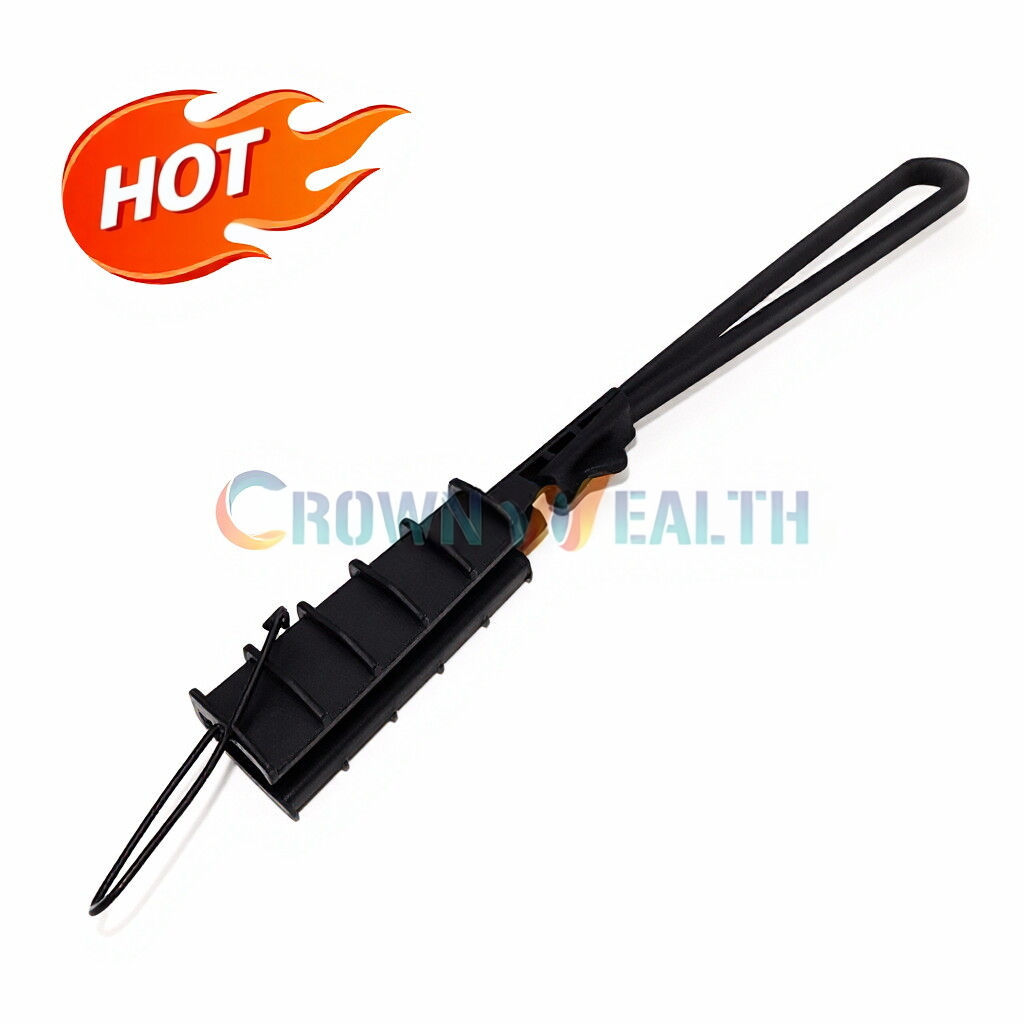
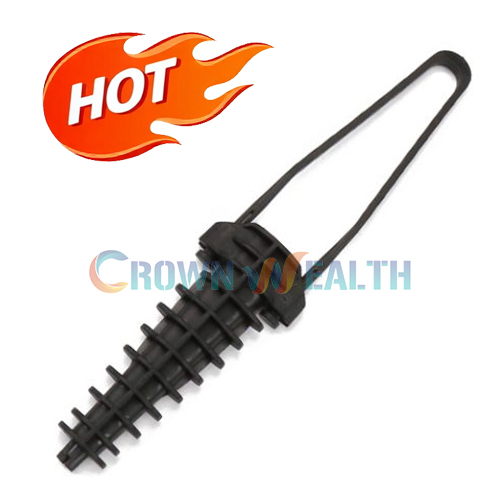
First off, let's understand what downlead clamps are. These little guys are essential components in electrical and communication systems. They're used to secure downleads, which are cables that carry electrical current or signals from a higher point (like an antenna) to a lower point (like a ground or a receiver). Downlead insulation, on the other hand, is the protective covering around the downlead cable. Its main job is to prevent electrical leakage, protect the cable from environmental factors, and ensure the safe and efficient transmission of signals.
Now, the big question - compatibility. The short answer is no, downlead clamps are not compatible with all types of downlead insulation. There are several factors that affect this compatibility, and we'll go through them one by one.
Material of the Insulation
Downlead insulation can be made from a variety of materials, such as PVC (Polyvinyl Chloride), PE (Polyethylene), and rubber. Each material has its own unique properties, like flexibility, durability, and resistance to heat and chemicals. For example, PVC insulation is quite common because it's relatively inexpensive and has good electrical insulation properties. However, it can become brittle over time, especially in cold temperatures. Rubber insulation, on the other hand, is very flexible and resistant to abrasion, but it might not be as resistant to high temperatures as PVC.
Downlead clamps need to be able to grip the insulation securely without causing damage. Some clamps are designed specifically for use with certain insulation materials. For instance, a clamp made for PVC insulation might have a different design or coating than one for rubber insulation. If you use the wrong clamp on the wrong insulation material, it could lead to poor grip, which might cause the downlead to come loose. This is a serious safety hazard, as it could result in electrical short - circuits or signal interference.
Thickness of the Insulation
The thickness of the downlead insulation also plays a huge role in compatibility. Insulation thickness can vary widely depending on the application and the requirements of the system. A thick - walled insulation might require a clamp with a wider opening or more powerful gripping mechanism to hold it firmly. If the clamp is too small or doesn't have enough gripping force, it won't be able to secure the thick insulation properly.
On the flip side, if you use a clamp designed for thick insulation on a thin - walled downlead, it could over - tighten and damage the insulation. This damage can compromise the integrity of the insulation, leading to electrical problems or signal loss. So, it's crucial to choose a clamp that is appropriate for the thickness of the downlead insulation you're working with.
Shape and Design of the Downlead
Downleads come in different shapes and designs. Some are round, while others might be flat or have a more complex cross - sectional shape. The shape of the downlead affects how the clamp can grip it. A clamp designed for a round downlead might not work well on a flat one, as the contact area and the way the force is distributed will be different.


There are also different types of downlead designs, such as single - core and multi - core cables. Multi - core cables have multiple conductors inside the insulation, and they might require a clamp that can accommodate this complex structure without damaging the individual cores. So, when choosing a downlead clamp, you need to consider the shape and design of the downlead to ensure compatibility.
Environmental Conditions
The environment where the downlead and clamp will be installed is another important factor. If the installation is in an area with high humidity, extreme temperatures, or exposure to chemicals, the insulation and the clamp need to be able to withstand these conditions. For example, in a coastal area where there is a lot of salt in the air, the insulation and the clamp need to be resistant to corrosion.
Some insulation materials might degrade faster in certain environmental conditions, and the clamp needs to be able to maintain its grip even as the insulation changes. A clamp that works well in a dry, indoor environment might not be suitable for an outdoor installation where it's exposed to rain, sunlight, and temperature fluctuations.
Now that we've covered the factors affecting compatibility, let's talk about some of the solutions. As a downlead clamp supplier, we offer a wide range of clamps to suit different types of downlead insulation. We have clamps designed for PVC, PE, and rubber insulation, with different sizes and gripping mechanisms to accommodate various thicknesses and shapes of downleads.
If you're not sure which clamp is right for your specific application, our team of experts is always here to help. We can provide you with detailed information about the compatibility of our clamps with different types of insulation and help you choose the best option for your needs.
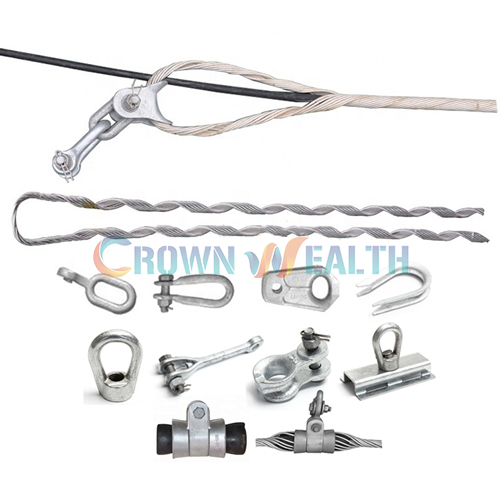
We also offer some related products that might be useful in your projects. For example, if you're working with ADSS (All - Dielectric Self - Supporting) cables, you might be interested in our PreformedTension Clamp for Short Span ADSS. This clamp is designed specifically for short - span ADSS cables and provides a reliable and secure grip.
Another great product is our ADSS Cable Storage Bracket. It's a useful accessory for storing and organizing ADSS cables, which can help keep your installation neat and tidy. And if you need a more general - purpose tension clamp, our Preformed Tension Clamp is a great option.
In conclusion, downlead clamps are not compatible with all types of downlead insulation. But with the right knowledge and the right products, you can ensure a safe and efficient installation. If you're in the market for downlead clamps or any of our related products, don't hesitate to get in touch. We're here to help you find the perfect solution for your downlead installation needs. Let's work together to make your project a success!
References
- Electrical Installation Handbook, Siemens
- Handbook of Electrical Insulating Materials, Edited by D. C. Sundaram