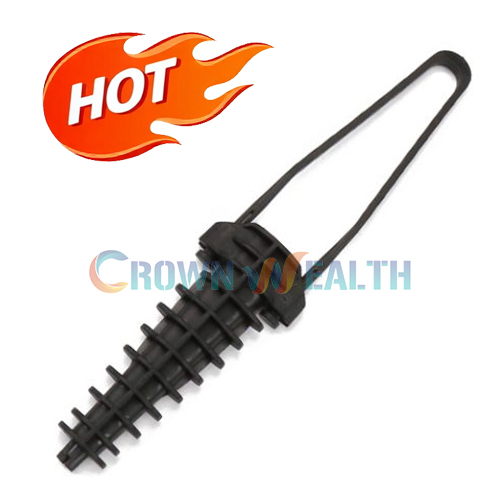
In the realm of electrical and telecommunications infrastructure, the proper connection and support of cables are of utmost importance. Dead end guy grips play a crucial role in ensuring the stability and reliability of cable systems. As a supplier of Dead End Guy Grips, I often receive inquiries about their compatibility with different types of cables. In this blog post, I will delve into this topic, exploring the versatility of Dead End Guy Grips and their suitability for various cable types.
Understanding Dead End Guy Grips
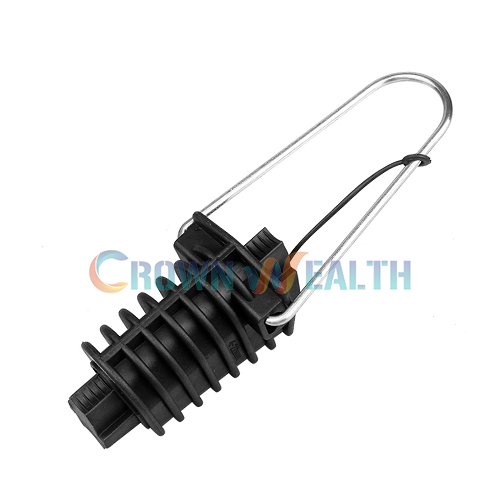
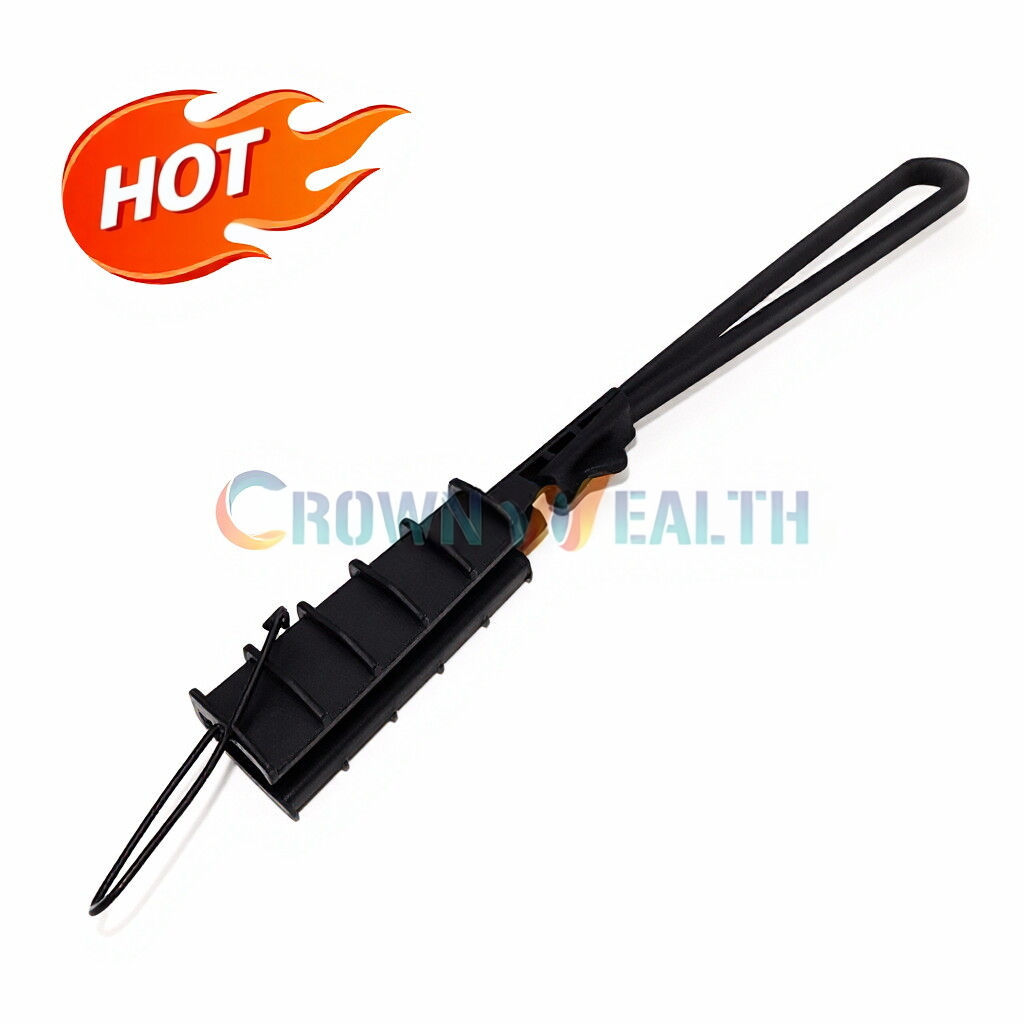
Dead End Guy Grips are specialized fittings designed to terminate and secure cables at the end of a line. They are commonly used in overhead power transmission and distribution systems, as well as in telecommunications networks. These grips are typically made of high - strength materials such as galvanized steel or aluminum alloy, which provide excellent corrosion resistance and mechanical strength.
The primary function of a Dead End Guy Grip is to transfer the tension from the cable to the supporting structure, such as a pole or a tower. By firmly gripping the cable, they prevent the cable from slipping or pulling out, ensuring the integrity of the entire system.
Compatibility with Different Cable Types
1. ACSR Cables
Aluminum Conductor Steel Reinforced (ACSR) cables are widely used in power transmission and distribution due to their high strength - to - weight ratio and good electrical conductivity. Dead End Guy Grips are well - suited for ACSR cables. The design of the grips allows them to conform to the shape of the ACSR cable, providing a secure hold. The serrated jaws or wedges in the grips dig into the outer aluminum strands of the ACSR cable, creating a frictional force that prevents the cable from moving. This compatibility is essential as ACSR cables are often subjected to high tension forces, especially in long - span transmission lines.
2. AAC Cables
All Aluminum Conductor (AAC) cables are another common type of cable used in electrical systems. They are known for their excellent electrical conductivity and relatively low cost. Dead End Guy Grips can also be used with AAC cables. However, since AAC cables are softer than ACSR cables, special care needs to be taken during installation. The grip should be tightened to the appropriate torque to avoid damaging the aluminum strands. The material of the grip should also be selected carefully to prevent galvanic corrosion between the grip and the cable.
3. ADSS Cables
All - Dielectric Self - Supporting (ADSS) cables are used in telecommunications networks, especially in areas where there is a risk of electrical interference. These cables are made of non - metallic materials and are self - supporting, meaning they can be installed without the need for a separate messenger wire. Dead End Guy Grips can be adapted for use with ADSS cables. Specialized grips are designed with smooth surfaces to avoid damaging the delicate outer sheath of the ADSS cable. The gripping mechanism is often based on a non - abrasive principle, such as a compression or a clamping action, to ensure a secure hold without harming the cable.
4. Optical Fiber Cables
Optical fiber cables are the backbone of modern high - speed communication networks. They are extremely fragile and require careful handling. Dead End Guy Grips for optical fiber cables are designed to provide gentle yet secure support. These grips are usually made of lightweight and non - conductive materials. They often use a soft lining or padding to protect the fiber optic core from damage. The design ensures that the tension is evenly distributed along the cable, preventing any stress concentration that could lead to fiber breakage.
Factors Affecting Compatibility
1. Cable Diameter
The diameter of the cable is a critical factor in determining the compatibility of Dead End Guy Grips. Different grips are available in various sizes to accommodate cables of different diameters. Using a grip that is too small for the cable may not provide a secure hold, while a grip that is too large may not grip the cable tightly enough. It is essential to select the correct size of grip based on the manufacturer's specifications for the cable diameter.
2. Cable Material
As mentioned earlier, the material of the cable affects the choice of Dead End Guy Grips. Different materials have different mechanical properties, such as hardness, ductility, and corrosion resistance. The grip material should be selected to be compatible with the cable material to avoid issues such as corrosion or damage to the cable. For example, when using a steel grip with an aluminum cable, a protective coating or insulation may be required to prevent galvanic corrosion.
3. Tension Requirements
The amount of tension that the cable will be subjected to is another important consideration. High - tension applications, such as long - span power transmission lines, require grips with higher load - bearing capacities. Dead End Guy Grips are rated for specific tension levels, and it is crucial to select a grip that can handle the expected tension in the cable system.


Related Accessories and Their Importance
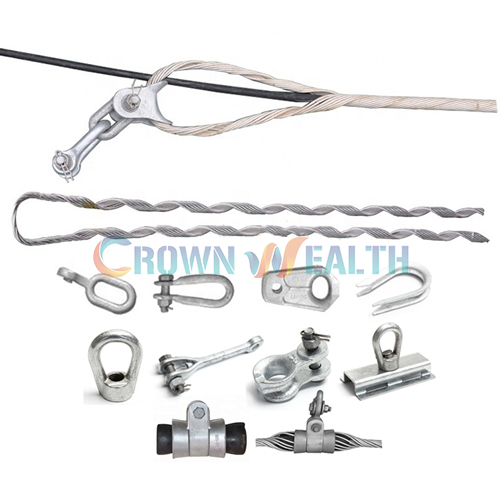
In addition to Dead End Guy Grips, there are several related accessories that can enhance the performance and protection of cable systems. Preformed Armor Rods are used to protect the cable from abrasion and mechanical damage at the point where it is gripped by the Dead End Guy Grip. They are pre - formed to fit the shape of the cable and provide an extra layer of protection.
Spiral Vibration Dampers and Vibration Dampers are used to reduce the vibration of cables caused by wind or other external forces. Excessive vibration can lead to fatigue and damage to the cable and the grip. These dampers work by dissipating the energy of the vibration, ensuring the long - term stability of the cable system.
Conclusion
Dead End Guy Grips are highly versatile fittings that can be used with a wide range of cable types, including ACSR, AAC, ADSS, and optical fiber cables. However, to ensure optimal performance and compatibility, factors such as cable diameter, material, and tension requirements need to be carefully considered. By selecting the right Dead End Guy Grips and related accessories, you can enhance the reliability and longevity of your cable systems.
If you are in the market for high - quality Dead End Guy Grips or have any questions about their compatibility with your specific cable types, I encourage you to reach out. Our team of experts is ready to assist you in finding the perfect solution for your cable termination needs. Whether you are working on a small - scale telecommunications project or a large - scale power transmission system, we have the products and knowledge to support you. Contact us today to start a discussion about your requirements and explore how our Dead End Guy Grips can meet your needs.
References
- Electrical Transmission and Distribution Handbook, McGraw - Hill
- Telecommunications Cable Installation Guide, National Telecommunications Association