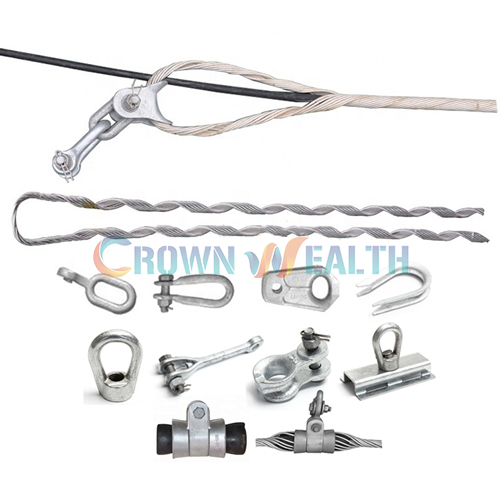
As a supplier of Cable Storage Assemblies, I often encounter inquiries about the compatibility and application of our products, particularly regarding the use of cable storage assemblies for power cables. This blog post aims to explore this question in depth, providing a comprehensive analysis based on industry knowledge and practical experience.
Understanding Cable Storage Assemblies
Cable storage assemblies are designed to organize, protect, and manage cables effectively. They come in various forms, including racks, trays, and cabinets, and are used in a wide range of industries, from telecommunications to data centers. These assemblies are typically made from materials such as steel, aluminum, or plastic, and are engineered to withstand different environmental conditions and cable loads.
The primary functions of cable storage assemblies include preventing cable damage, reducing signal interference, and facilitating easy access for maintenance and upgrades. By keeping cables neatly arranged, they also enhance safety and reduce the risk of accidents caused by tangled or exposed cables.
Power Cables: Characteristics and Requirements
Power cables are used to transmit electrical energy from a power source to various electrical devices and equipment. They are designed to handle high voltages and currents, and therefore require special considerations in terms of insulation, shielding, and mechanical protection.
Power cables are typically classified based on their voltage rating, conductor material, insulation type, and application. For example, low-voltage power cables are commonly used in residential and commercial buildings, while high-voltage power cables are used in power transmission and distribution systems.
The requirements for power cable storage and management are also different from those of other types of cables. Power cables generate heat during operation, and therefore need adequate ventilation to prevent overheating. They also need to be protected from physical damage, such as abrasion, impact, and compression, to ensure their long-term reliability.
Can a Cable Storage Assembly be Used for Power Cables?
The answer to this question is yes, a cable storage assembly can be used for power cables, but with some important considerations. Not all cable storage assemblies are suitable for power cables, and it is essential to choose the right type of assembly based on the specific requirements of the power cables.


When selecting a cable storage assembly for power cables, the following factors should be considered:
- Voltage Rating: The cable storage assembly should be able to withstand the voltage rating of the power cables. High-voltage power cables require assemblies with appropriate insulation and shielding to prevent electrical breakdown and ensure safety.
- Current Capacity: The assembly should be able to accommodate the current-carrying capacity of the power cables. Overloading the assembly can lead to overheating and damage to the cables.
- Mechanical Protection: Power cables are often subject to mechanical stress, such as bending, pulling, and vibration. The cable storage assembly should provide adequate mechanical protection to prevent damage to the cables.
- Ventilation: As mentioned earlier, power cables generate heat during operation. The cable storage assembly should have sufficient ventilation to allow for the dissipation of heat and prevent overheating.
- Fire Resistance: In some applications, such as in buildings and industrial facilities, fire resistance is an important consideration. The cable storage assembly should be made from fire-resistant materials to prevent the spread of fire in case of an electrical fire.
Types of Cable Storage Assemblies Suitable for Power Cables
There are several types of cable storage assemblies that are suitable for power cables, including:
- Cable Racks: Cable racks are one of the most common types of cable storage assemblies used for power cables. They are typically made from steel or aluminum and are available in various sizes and configurations. Cable racks provide a simple and cost-effective way to organize and support power cables, and can be easily installed in different locations.
- Cable Trays: Cable trays are similar to cable racks, but they have a more enclosed design. They are often used in areas where there is a need for additional protection against dust, dirt, and moisture. Cable trays can be made from different materials, such as steel, aluminum, or fiberglass, and are available in various shapes and sizes.
- Cable Cabinets: Cable cabinets are used to store and protect power cables in a more enclosed and secure environment. They are typically made from steel or aluminum and are available in different sizes and configurations. Cable cabinets can be used in both indoor and outdoor applications, and can provide additional features such as locking doors, ventilation, and fire protection.
Case Studies and Examples
To illustrate the practical application of cable storage assemblies for power cables, let's look at some case studies and examples:
- Industrial Facility: In an industrial facility, power cables are used to supply electricity to various equipment and machinery. A cable storage assembly, such as a cable rack or tray, can be used to organize and support these power cables, making it easier to manage and maintain them. The assembly can be installed in a central location, such as a cable room or corridor, and can be connected to the equipment and machinery using appropriate cable connectors and fittings.
- Data Center: In a data center, power cables are used to supply electricity to servers, storage systems, and other critical equipment. A cable storage assembly, such as a cable cabinet, can be used to store and protect these power cables, ensuring their reliability and safety. The cabinet can be equipped with features such as power distribution units (PDUs), surge protectors, and monitoring systems to provide additional protection and control.
- Power Transmission and Distribution System: In a power transmission and distribution system, high-voltage power cables are used to transmit electricity over long distances. A cable storage assembly, such as a cable trench or tunnel, can be used to store and protect these power cables, ensuring their long-term reliability and performance. The assembly can be designed to provide adequate ventilation, fire protection, and access for maintenance and repairs.
Conclusion
In conclusion, a cable storage assembly can be used for power cables, but it is essential to choose the right type of assembly based on the specific requirements of the power cables. By considering factors such as voltage rating, current capacity, mechanical protection, ventilation, and fire resistance, you can ensure that the cable storage assembly provides the necessary support and protection for your power cables.
If you are in need of a cable storage assembly for your power cables, or have any questions or concerns about our products, please feel free to contact us. We are a leading supplier of Cable Storage Assemblies, and our team of experts is dedicated to providing you with the best solutions for your cable management needs.
References
- Electrical Safety Foundation International (ESFI). (2023). Electrical Safety in the Workplace.
- National Fire Protection Association (NFPA). (2023). NFPA 70: National Electrical Code.
- Institute of Electrical and Electronics Engineers (IEEE). (2023). IEEE Standards for Power Cables.
Remember, the links you provided can be inserted as follows in the relevant parts of the text (for example, when discussing related cable fittings):
When it comes to cable fittings, we also offer high - quality products such as the Double Suspension Clamp for OPGW, OPGW Performed Suspension Clamp, and Aluminum Alloy Optical Cable Splice Box. These fittings are designed to work in harmony with our cable storage assemblies to ensure the reliable operation of your cable systems.
If you are interested in our Cable Storage Assemblies or any of the related products, please reach out to us for procurement and further discussions.