Hey there! As a supplier of Aluminum Joint Boxes, I often get asked about the chemical resistance of these nifty little boxes. So, I thought I'd take a few minutes to break it down for you.


First off, let's talk about what aluminum is and why it's used in joint boxes. Aluminum is a lightweight, durable metal that's known for its excellent corrosion resistance. It's also a good conductor of electricity, which makes it ideal for use in electrical applications like joint boxes.
Now, when we're talking about chemical resistance, we're basically looking at how well the aluminum joint box can withstand exposure to different chemicals without getting damaged. There are a few key factors that determine the chemical resistance of an aluminum joint box, and I'll go over them one by one.
The Alloy of Aluminum
The type of aluminum alloy used in the joint box plays a huge role in its chemical resistance. Different alloys have different compositions, and some are more resistant to certain chemicals than others. For example, aluminum alloys that contain magnesium and silicon tend to have better corrosion resistance in a variety of environments. These alloys form a protective oxide layer on the surface of the aluminum, which helps to prevent further corrosion.
Surface Treatment
Another important factor is the surface treatment of the joint box. Many aluminum joint boxes are treated with a protective coating to enhance their chemical resistance. Anodizing is a common surface treatment method. It creates a thick, hard oxide layer on the surface of the aluminum, which acts as a barrier against chemicals. This oxide layer is not only resistant to corrosion but also provides good abrasion resistance.
Powder coating is another option. It involves applying a dry powder to the surface of the joint box and then baking it to form a hard, durable finish. Powder coatings can be formulated to be resistant to a wide range of chemicals, including acids, alkalis, and solvents.
Environmental Conditions
The environment in which the joint box is used also has a big impact on its chemical resistance. For instance, if the joint box is installed in an industrial area where there are high levels of pollutants and chemicals in the air, it will face more severe chemical exposure compared to a joint box installed in a residential area.
In a marine environment, the joint box will be exposed to saltwater, which is highly corrosive. Aluminum joint boxes used in such areas need to have excellent resistance to saltwater corrosion. The protective oxide layer and surface treatments we mentioned earlier become even more crucial in these harsh environments.
Testing Chemical Resistance
To ensure that our aluminum joint boxes meet the required chemical resistance standards, we conduct a series of tests. One common test is the salt spray test. In this test, the joint box is placed in a chamber where it's exposed to a fine mist of saltwater for a specified period of time. After the test, the box is inspected for signs of corrosion.
We also perform immersion tests, where the joint box is immersed in different chemicals for a certain period. This helps us to evaluate how well the box can withstand direct contact with chemicals.
Applications and Chemical Resistance Requirements
The chemical resistance requirements of an aluminum joint box depend on its application. In the telecommunications industry, for example, joint boxes are often used to house fiber optic cables. These boxes need to be resistant to common chemicals found in the environment, such as moisture, dust, and mild acids. This ensures that the cables inside the box are protected and can function properly.
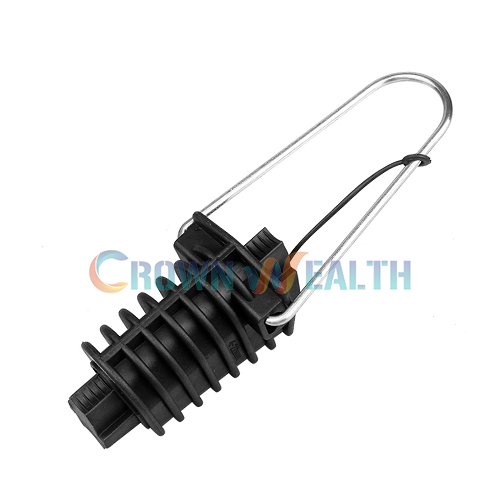
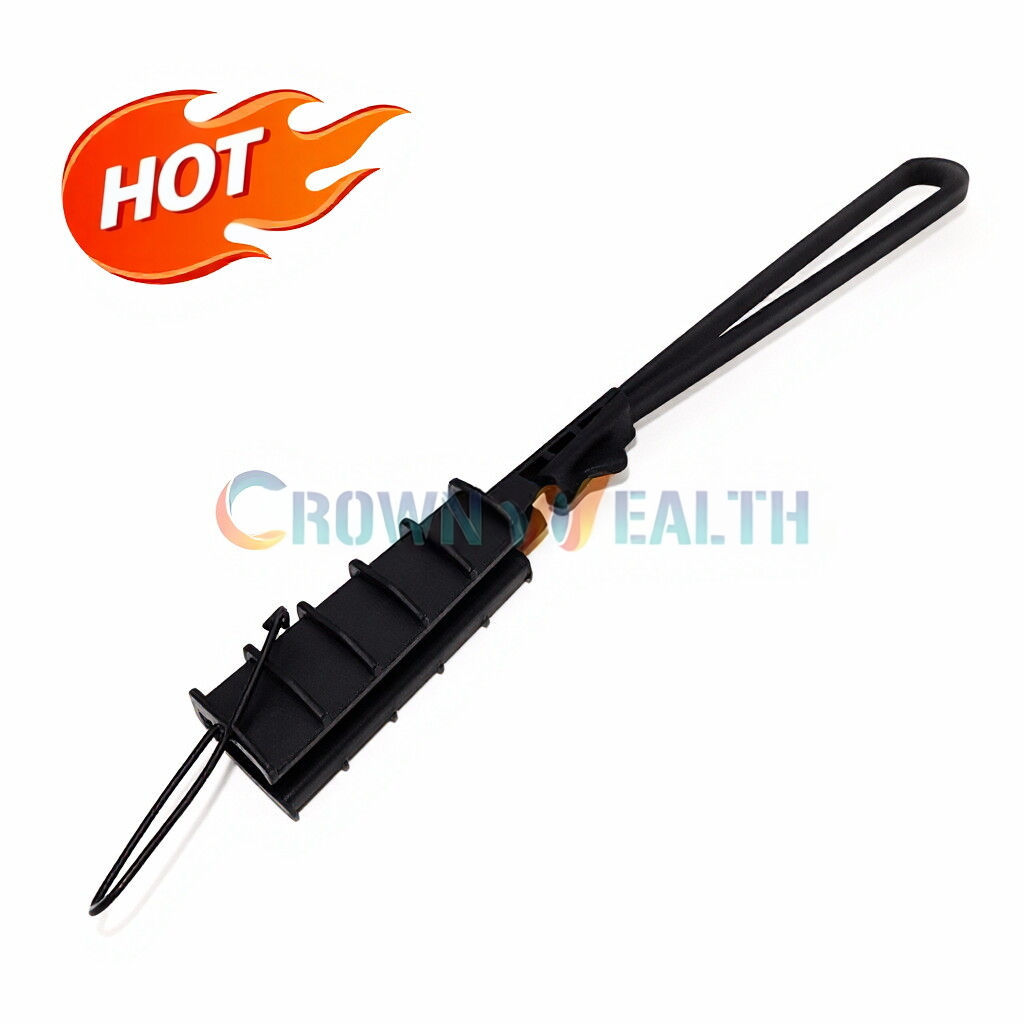
If you're interested in OPGW Strain Clamp, Tension Clamp for Overhead Line, or Cable Storage Assembly, you'll find that our aluminum joint boxes can be a great addition to your setup, providing reliable protection for your cables in various chemical environments.
In the electrical industry, joint boxes are used to connect electrical wires. They need to be resistant to electrical insulating oils, which are used to prevent electrical arcing. Our aluminum joint boxes are designed to withstand exposure to these oils, ensuring the safety and reliability of the electrical connections.
Maintenance for Chemical Resistance
To keep the chemical resistance of the aluminum joint box at its best, proper maintenance is essential. Regular cleaning is a simple but effective way to remove any dirt, dust, or chemical residues that may have accumulated on the surface of the box. You can use a mild detergent and a soft cloth to clean the box.
It's also important to inspect the box regularly for any signs of damage or corrosion. If you notice any chips or scratches in the surface coating, it's advisable to touch up the coating as soon as possible to prevent further corrosion.
Conclusion
In conclusion, the chemical resistance of an aluminum joint box depends on several factors, including the alloy of aluminum, surface treatment, environmental conditions, and application requirements. By choosing the right alloy, applying appropriate surface treatments, and using the joint box in the right environment, you can ensure that it provides long - lasting protection for your cables and electrical connections.
If you're in the market for high - quality aluminum joint boxes with excellent chemical resistance, we'd love to hear from you. Whether you need joint boxes for a small residential project or a large industrial installation, we have the expertise and products to meet your needs. Contact us today to start a procurement discussion and find the perfect aluminum joint box for your application.
References
- ASM Handbook Volume 13B: Corrosion: Materials. ASM International.
- Aluminum Association Technical Papers. Aluminum Association.