In the realm of fiber - optic communication, ADSS (All - Dielectric Self - Supporting) fittings play a crucial role. These fittings are essential for the proper installation, protection, and maintenance of ADSS cables. As an ADSS fitting supplier, I often encounter questions from customers about certifications for ADSS fittings. In this blog post, I will delve into the topic of certifications for ADSS fittings, explaining their importance, the common types of certifications, and how they impact the market.
The Importance of Certifications for ADSS Fittings
Certifications for ADSS fittings are not just pieces of paper; they are a mark of quality, safety, and compliance. In the highly regulated field of fiber - optic communication, certifications ensure that the ADSS fittings meet specific standards and requirements.


Firstly, certifications guarantee the quality of the products. They indicate that the fittings have undergone rigorous testing and inspection processes. For example, a certified ADSS fitting has been tested for its mechanical strength, corrosion resistance, and electrical insulation properties. This is of utmost importance because ADSS cables are often installed in harsh environments, such as along power lines or in remote areas. A high - quality fitting can ensure the long - term stability and reliability of the cable system.
Secondly, certifications are crucial for safety. ADSS fittings need to be able to withstand various environmental factors and mechanical stresses without posing any safety risks. For instance, in areas with high winds or heavy snowfall, the fittings must be strong enough to prevent the cable from breaking or detaching. Certifications provide assurance that the fittings have been designed and manufactured to meet safety standards, reducing the risk of accidents and failures.
Thirdly, certifications are a prerequisite for market access. In many countries and regions, it is mandatory for ADSS fittings to have certain certifications before they can be sold or installed. Without the proper certifications, suppliers may face legal issues and lose potential business opportunities.
Common Types of Certifications for ADSS Fittings
International Electrotechnical Commission (IEC) Certifications
The IEC is an international standards organization that develops and publishes standards for electrical, electronic, and related technologies. IEC certifications are widely recognized around the world. For ADSS fittings, IEC standards cover aspects such as mechanical performance, environmental performance, and electrical safety. For example, IEC 61914 provides guidelines for the design, testing, and installation of ADSS cables and their associated fittings. Fittings that comply with IEC standards are considered to be of high quality and are more likely to be accepted in the international market.
National Standards Certifications
Many countries have their own national standards for ADSS fittings. For example, in the United States, the National Electrical Safety Code (NESC) sets out the safety requirements for electrical systems, including those involving ADSS cables. In China, the Chinese National Standards (GB) also have specific regulations for ADSS fittings. These national standards may have some differences from international standards, but they are equally important for market access in their respective countries.
Industry - Specific Certifications
In addition to international and national standards, there are also industry - specific certifications. For example, some power companies or telecommunication operators may have their own certification requirements for ADSS fittings. These requirements are often more stringent and specific to their particular needs. For instance, a power company may require ADSS fittings to have a certain level of electromagnetic compatibility (EMC) to ensure that they do not interfere with the operation of the power grid.
Our Company's Approach to Certifications
As an ADSS fitting supplier, we understand the importance of certifications. We are committed to producing high - quality products that meet or exceed all relevant certification requirements.
We have a strict quality control system in place. Our production process is closely monitored to ensure that every fitting meets the standards of the relevant certifications. Before a product is released to the market, it undergoes a series of tests, including mechanical tests, environmental tests, and electrical tests.
We also keep ourselves updated with the latest certification requirements. As standards and regulations are constantly evolving, we invest in research and development to ensure that our products remain compliant. We work closely with certification bodies to obtain and maintain the necessary certifications for our products.
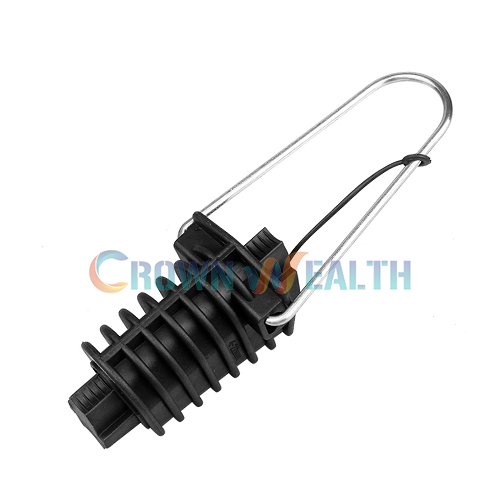
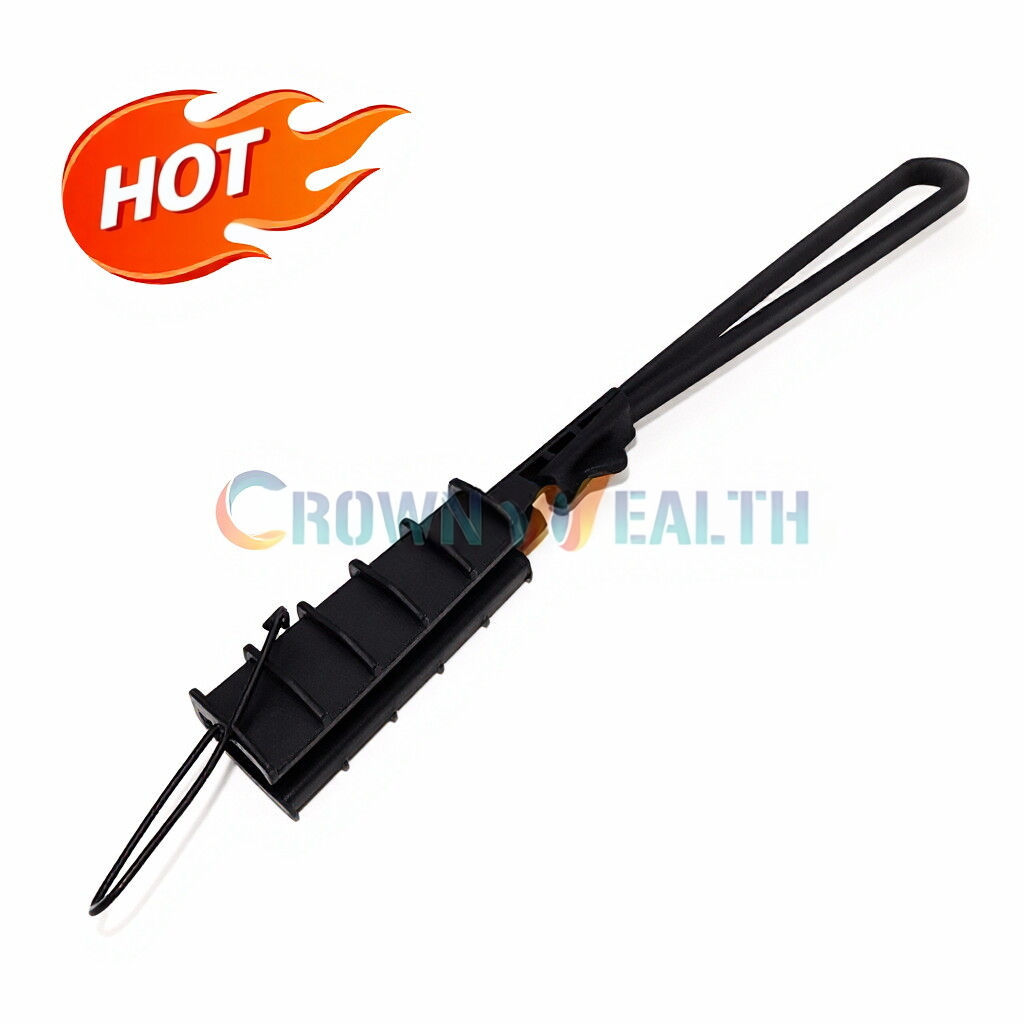
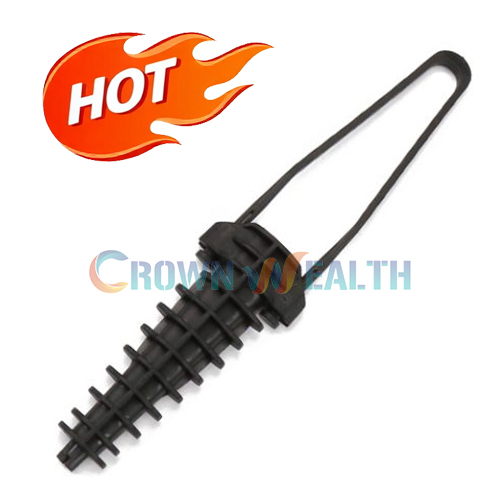
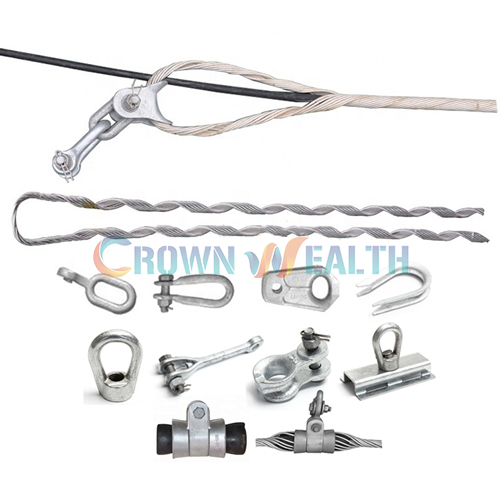
Some of the popular ADSS fittings we offer include the Hot Dip Galvanized Strain Clamp, the Preformed Helical Tension Clamp, and the ADSS Down Lead Clamp. All of these products have been tested and certified to meet industry standards.
The Impact of Certifications on the Market
Certifications have a significant impact on the ADSS fitting market. On one hand, they help to eliminate low - quality products from the market. Customers are more likely to choose certified products because they offer better quality and safety. This encourages suppliers to improve their production processes and product quality to meet the certification requirements.
On the other hand, certifications can also create barriers to entry for new suppliers. Obtaining certifications often requires a significant investment in testing equipment, personnel training, and compliance management. Smaller suppliers may find it difficult to afford these costs, which can limit competition in the market. However, this also means that the market is more dominated by established and reliable suppliers, which can be beneficial for customers in terms of product quality and after - sales service.
Conclusion
In conclusion, certifications for ADSS fittings are essential for ensuring product quality, safety, and market access. As an ADSS fitting supplier, we take certifications very seriously and are dedicated to providing our customers with high - quality, certified products. Whether you are a power company, a telecommunication operator, or an installer, choosing certified ADSS fittings is a wise decision that can save you time, money, and potential headaches in the long run.
If you are interested in our ADSS fittings or have any questions about certifications, please feel free to contact us for further discussion and potential procurement negotiations. We look forward to serving you.
References
- International Electrotechnical Commission (IEC). IEC 61914: Design, testing and installation of all - dielectric self - supporting (ADSS) optical fibre cables.
- National Electrical Safety Code (NESC).
- Chinese National Standards (GB) related to ADSS fittings.