As a seasoned supplier of OPGW cable storage solutions, I often encounter various questions from clients regarding the proper storage of OPGW cables. One query that has popped up more frequently lately is whether OPGW cables can be stored in a glass - enclosed room. In this blog, I'll delve into the science behind OPGW cable storage and analyze the viability of using a glass - enclosed room for this purpose.
Understanding OPGW Cables
First, let's briefly understand what OPGW cables are. Optical Ground Wire (OPGW) cables are a specialized type of cable that combines the functions of a traditional ground wire and an optical fiber cable. They are commonly used in power transmission lines, where they provide both electrical grounding and optical communication capabilities. The structure of OPGW cables typically consists of a central tube or loose tube containing optical fibers, surrounded by metallic strands that offer mechanical strength and electrical conductivity.
Ideal Storage Conditions for OPGW Cables
To ensure the long - term performance and reliability of OPGW cables, certain storage conditions need to be met. Temperature and humidity are two critical factors. OPGW cables should be stored in an environment with a stable temperature, ideally between - 20°C and 60°C. Extreme temperatures can cause the materials in the cable to expand or contract, potentially leading to damage to the optical fibers or the metallic components.
Humidity also plays a vital role. High humidity levels can lead to corrosion of the metallic parts of the OPGW cable, such as the steel wires. Moisture can also seep into the cable and affect the optical fibers, leading to signal loss. Therefore, the relative humidity in the storage area should be kept between 30% and 70%.
Another important aspect is protection from physical damage. OPGW cables should be stored away from sharp objects, heavy machinery, and areas where they might be subject to excessive vibration or impact.


Analyzing Glass - Enclosed Rooms for OPGW Cable Storage
Now, let's consider the suitability of a glass - enclosed room for storing OPGW cables.
Temperature Control
Glass is a poor insulator compared to materials like concrete or insulated metal panels. During the day, sunlight can penetrate the glass and heat up the interior of the room, causing the temperature to rise significantly. This can be a problem, especially in hot climates or during the summer months. On the other hand, at night, the heat inside the room can quickly dissipate through the glass, leading to a rapid drop in temperature. This large temperature fluctuation can be detrimental to the OPGW cables, as mentioned earlier.
However, if the glass - enclosed room is equipped with a high - quality air - conditioning and heating system, it is possible to maintain a stable temperature. But this will require a significant amount of energy, which can increase the operating costs.
Humidity Management
Glass does not have any inherent ability to control humidity. In a glass - enclosed room, humidity can build up easily, especially if there is no proper ventilation. If the room is located in an area with high ambient humidity, the lack of proper humidity control can lead to corrosion and other moisture - related problems in the OPGW cables. Installing a dehumidifier can help, but similar to temperature control, it will add to the energy consumption and operating costs.
Protection from Physical Damage
One advantage of a glass - enclosed room is that it can provide a certain degree of protection from physical damage. The glass acts as a barrier against dust, dirt, and some external objects. However, glass is also fragile and can break easily if subjected to impact. A broken glass pane can expose the OPGW cables to the elements and potential physical damage.
Other Considerations
In addition to the environmental factors, there are other aspects to consider when using a glass - enclosed room for OPGW cable storage.
Visibility
One of the benefits of a glass - enclosed room is the high visibility it offers. This can be useful for inventory management, as it allows for easy visual inspection of the stored cables without having to enter the room. Workers can quickly check the status of the cables and identify any potential issues.
Security
Glass - enclosed rooms can be made secure by installing locks and security systems. However, the transparency of the glass can also make the stored OPGW cables a target for theft, as they are clearly visible from the outside.
OPGW Fittings and Their Importance
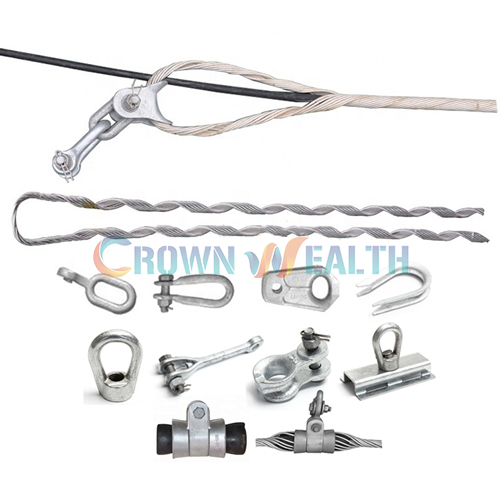
When storing OPGW cables, it's also important to consider the associated fittings. OPGW Performed Helical Suspension Clamp, Double Suspension Clamp for OPGW, and OPGW Performed Suspension Clamp are essential components that are used to install and support OPGW cables in the field. These fittings should also be stored properly to ensure their functionality. They should be kept in a dry and clean environment, protected from corrosion and physical damage.
Conclusion
In conclusion, while it is possible to store OPGW cables in a glass - enclosed room, it comes with several challenges. The main issues are related to temperature and humidity control, which are crucial for the long - term performance of the cables. If proper climate control systems are installed and maintained, and the room is designed to protect the cables from physical damage, a glass - enclosed room can be used for OPGW cable storage. However, the high energy costs associated with climate control need to be taken into account.
If you are in the market for OPGW cable storage solutions or have further questions about the storage of OPGW cables and their associated fittings, feel free to reach out to us. We have extensive experience in providing high - quality storage solutions and can offer professional advice tailored to your specific needs. Let's start a conversation to find the best storage solution for your OPGW cables.
References
- "Fiber Optic Cable Installation and Maintenance Guide", published by the Telecommunications Industry Association.
- "OPGW Cable Technical Manual", provided by leading OPGW cable manufacturers.